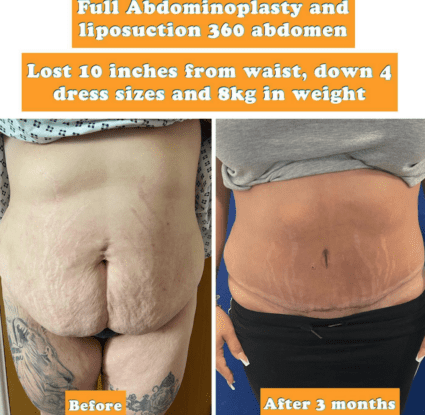
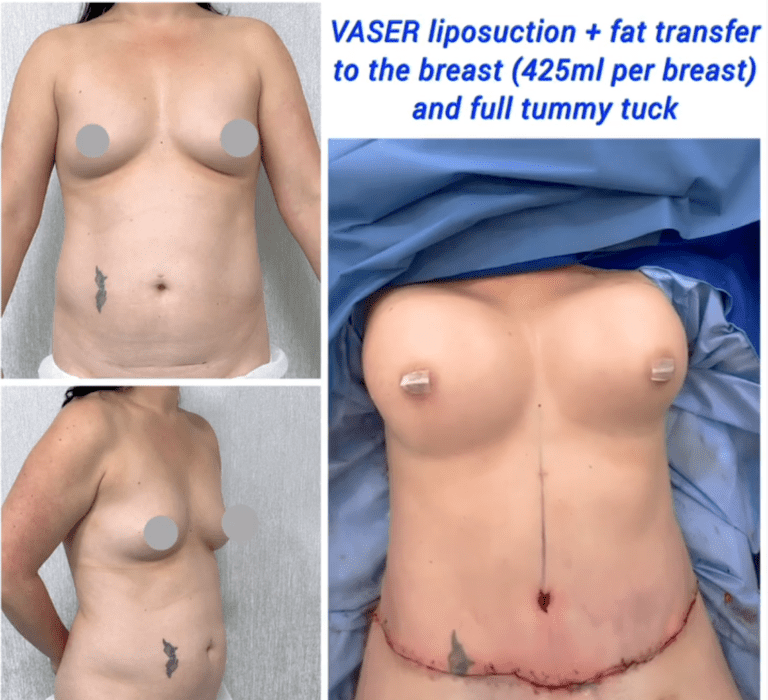
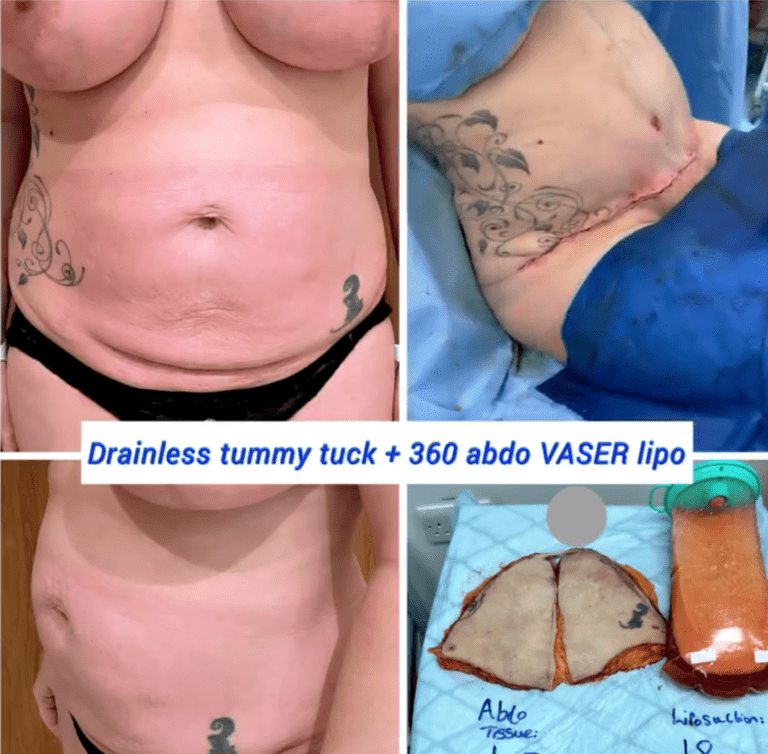
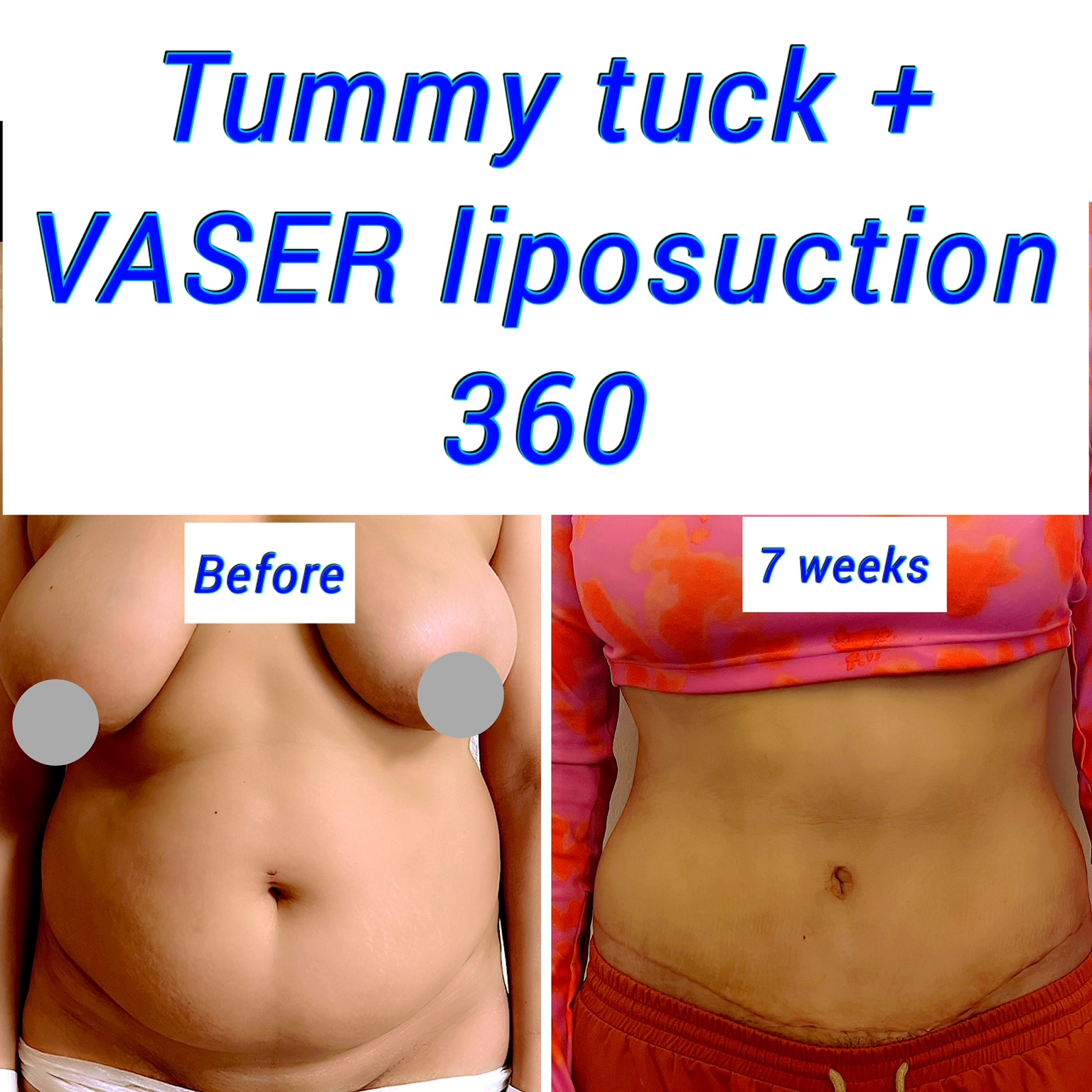
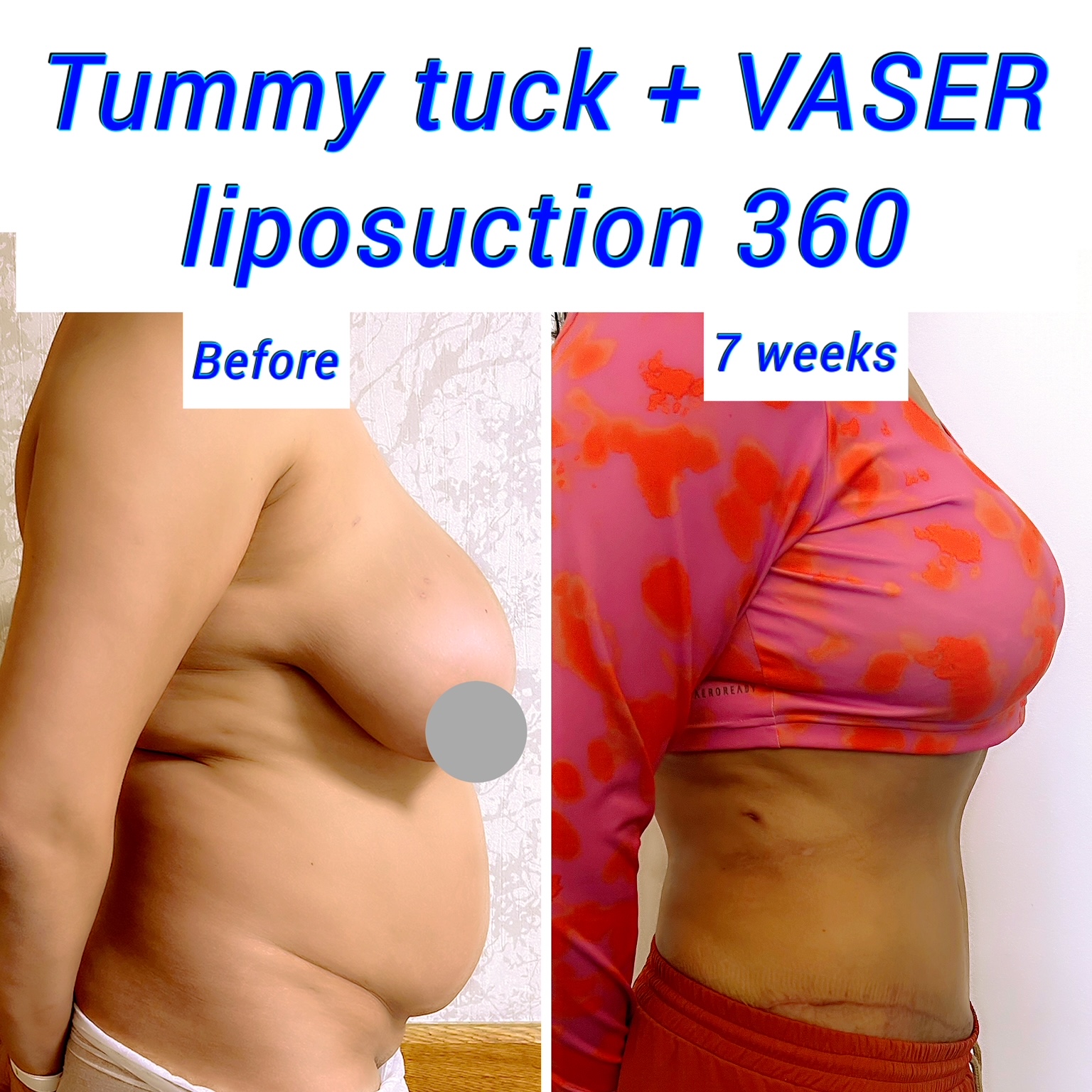
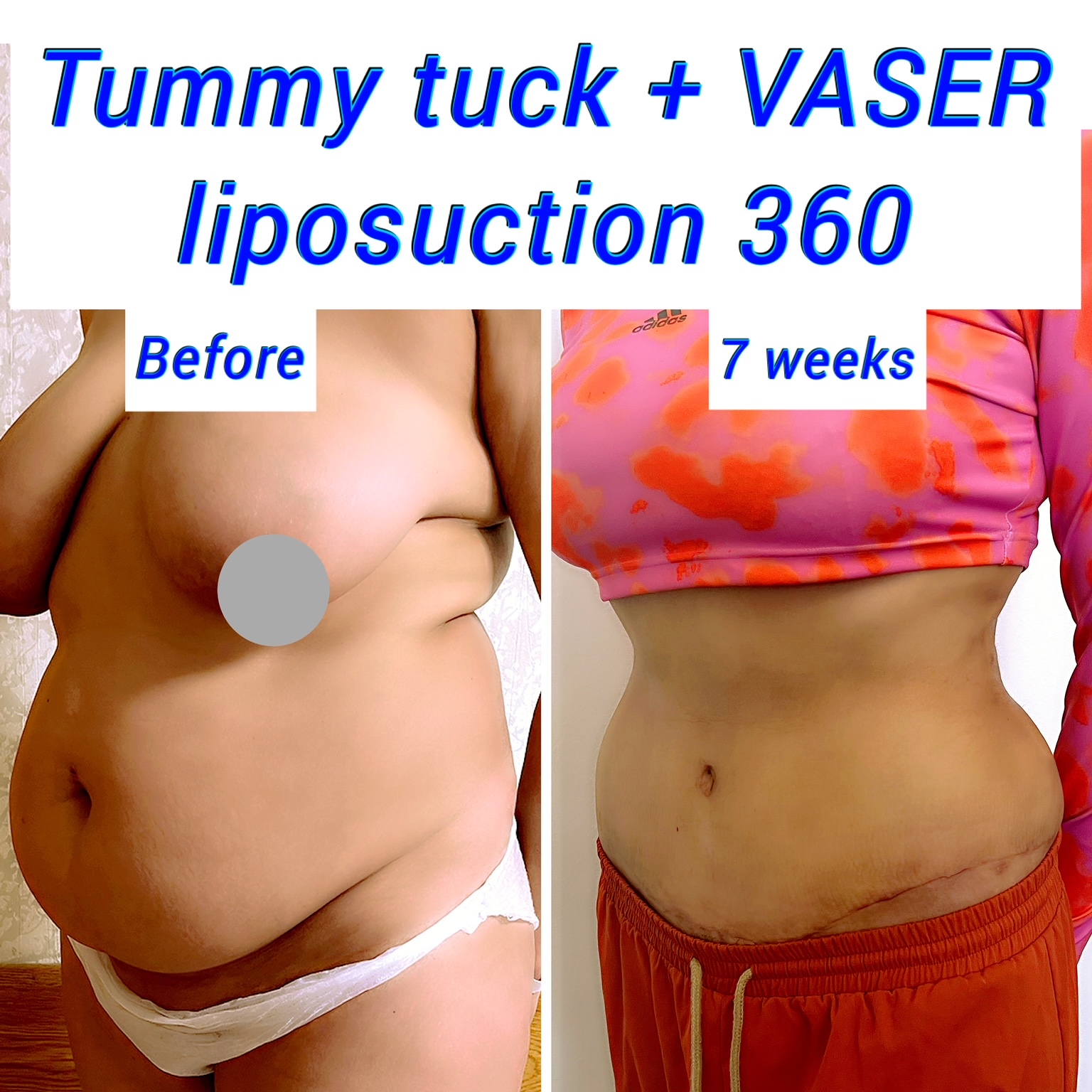
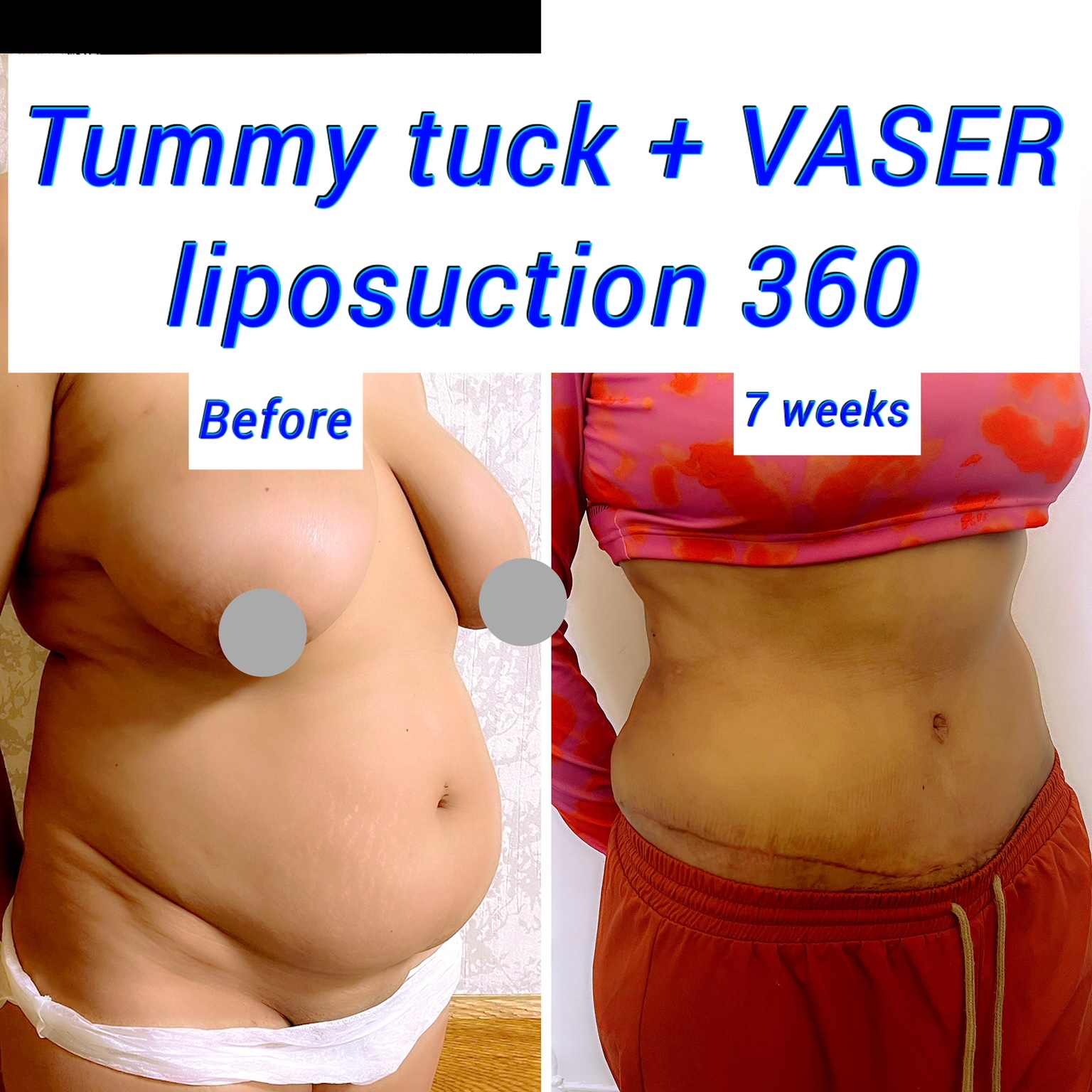
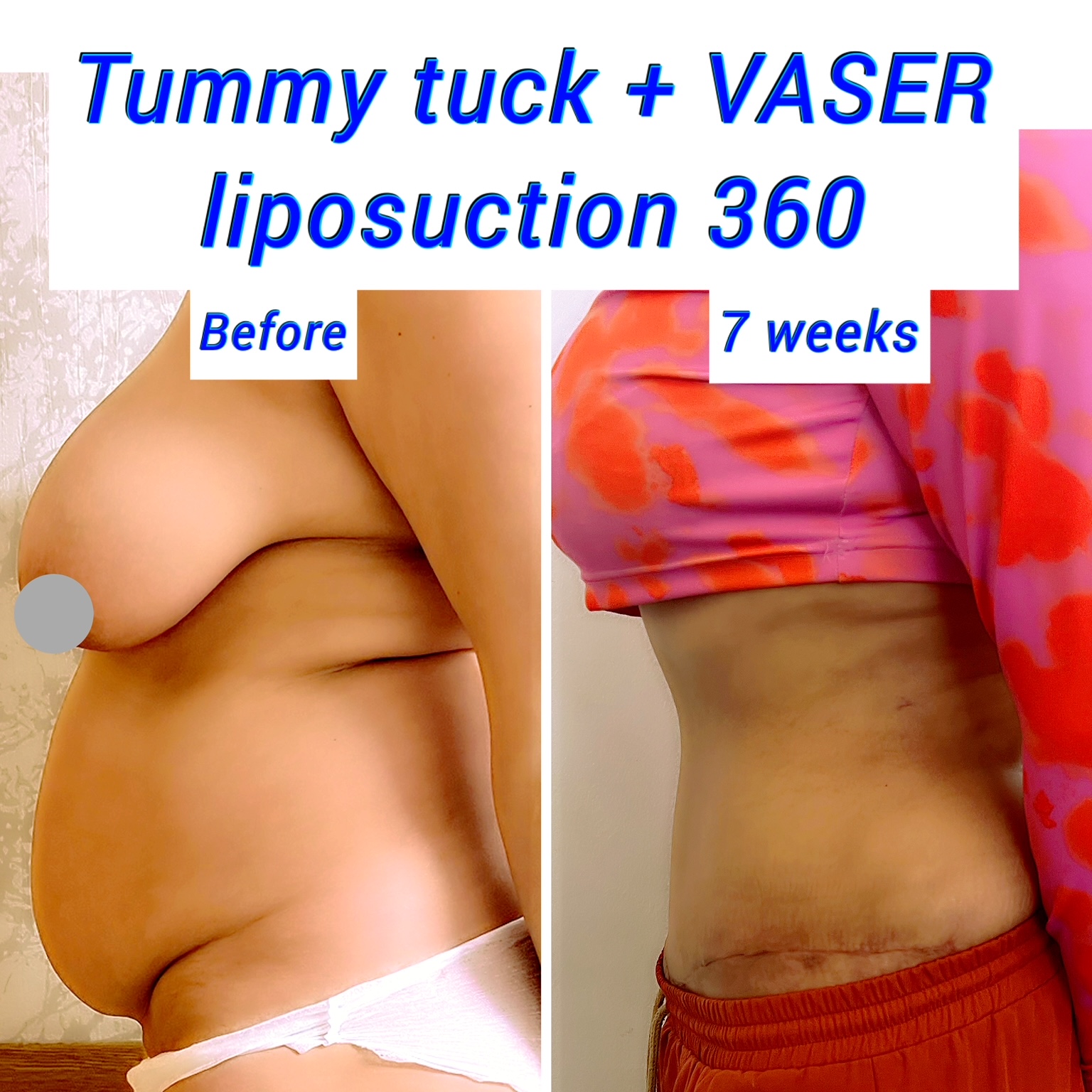
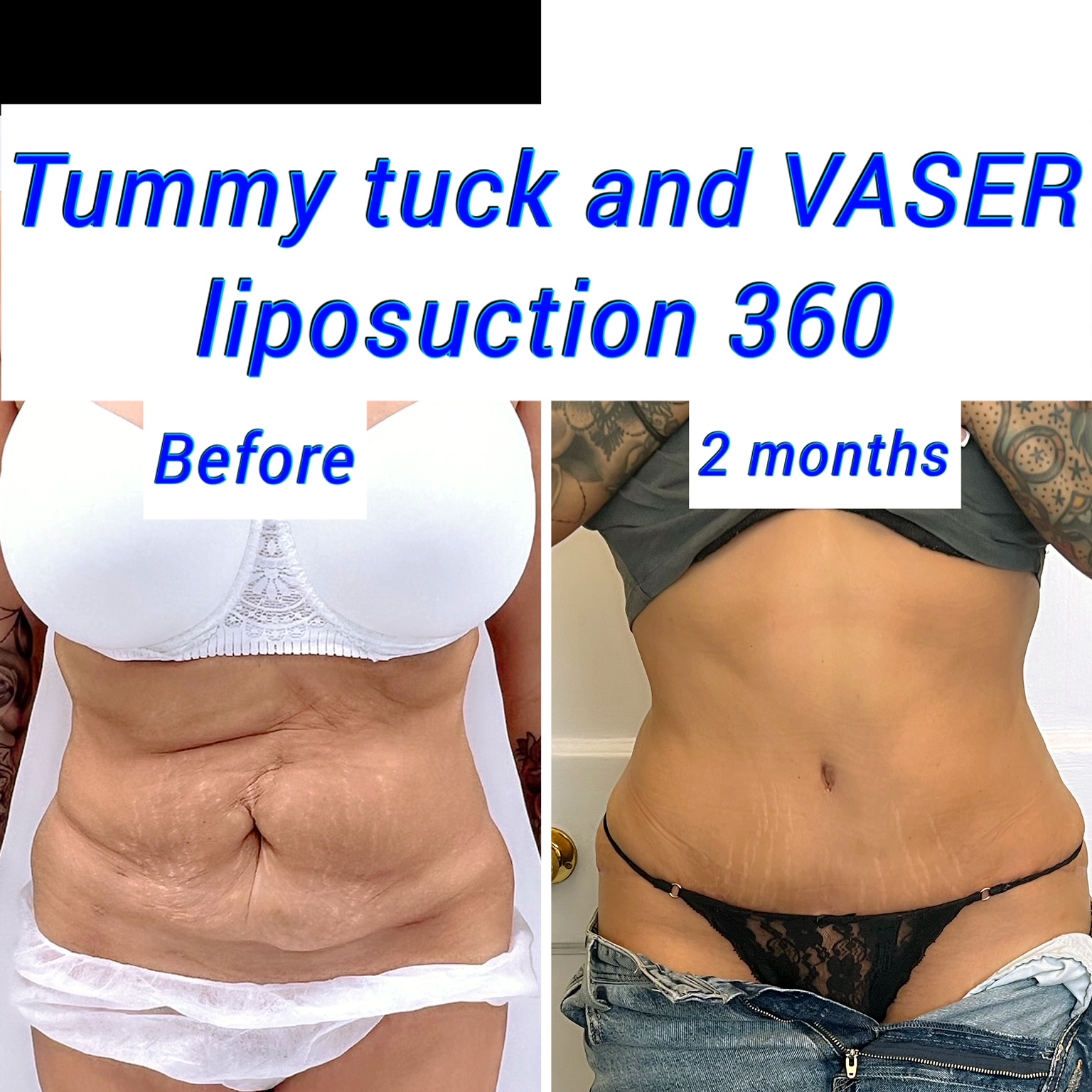
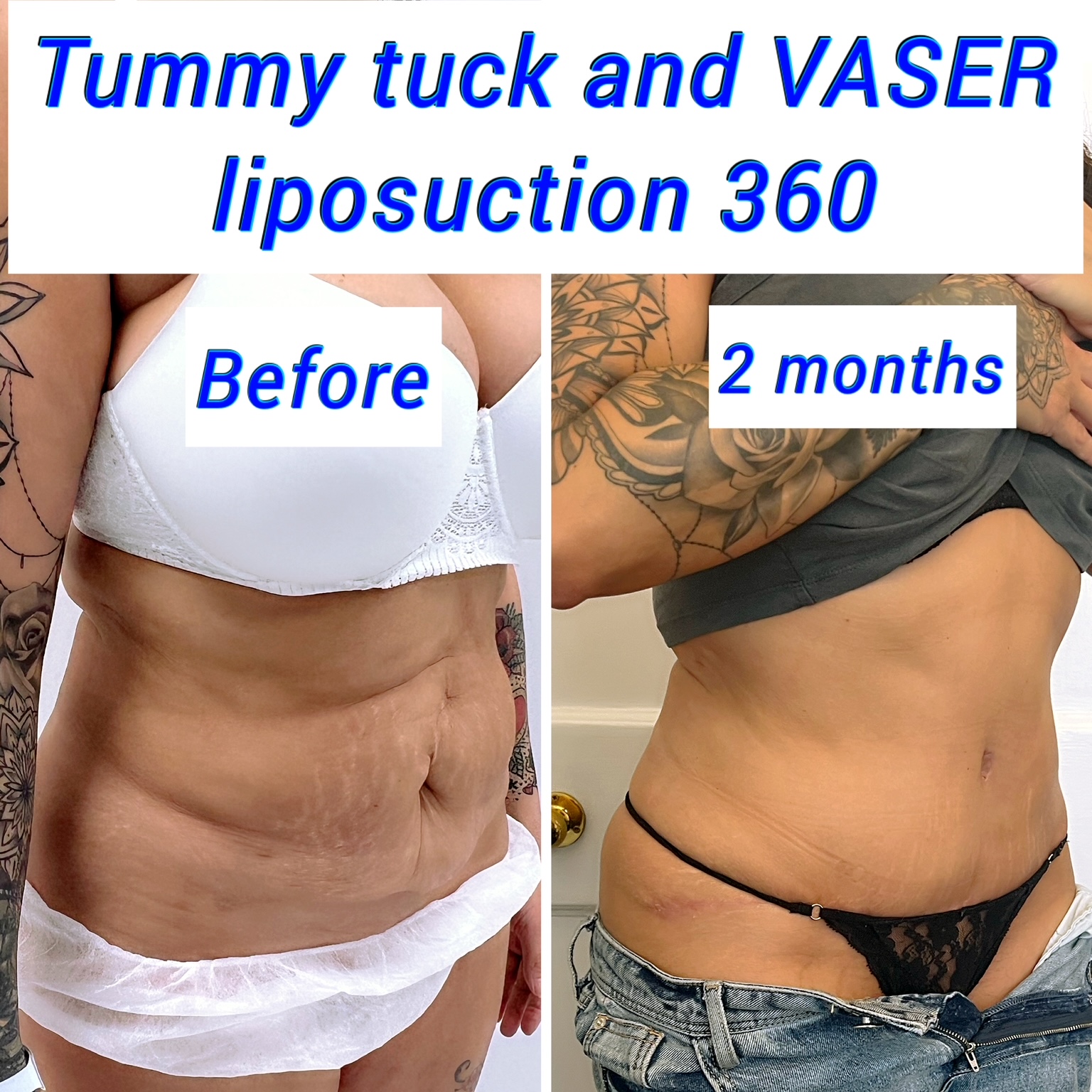
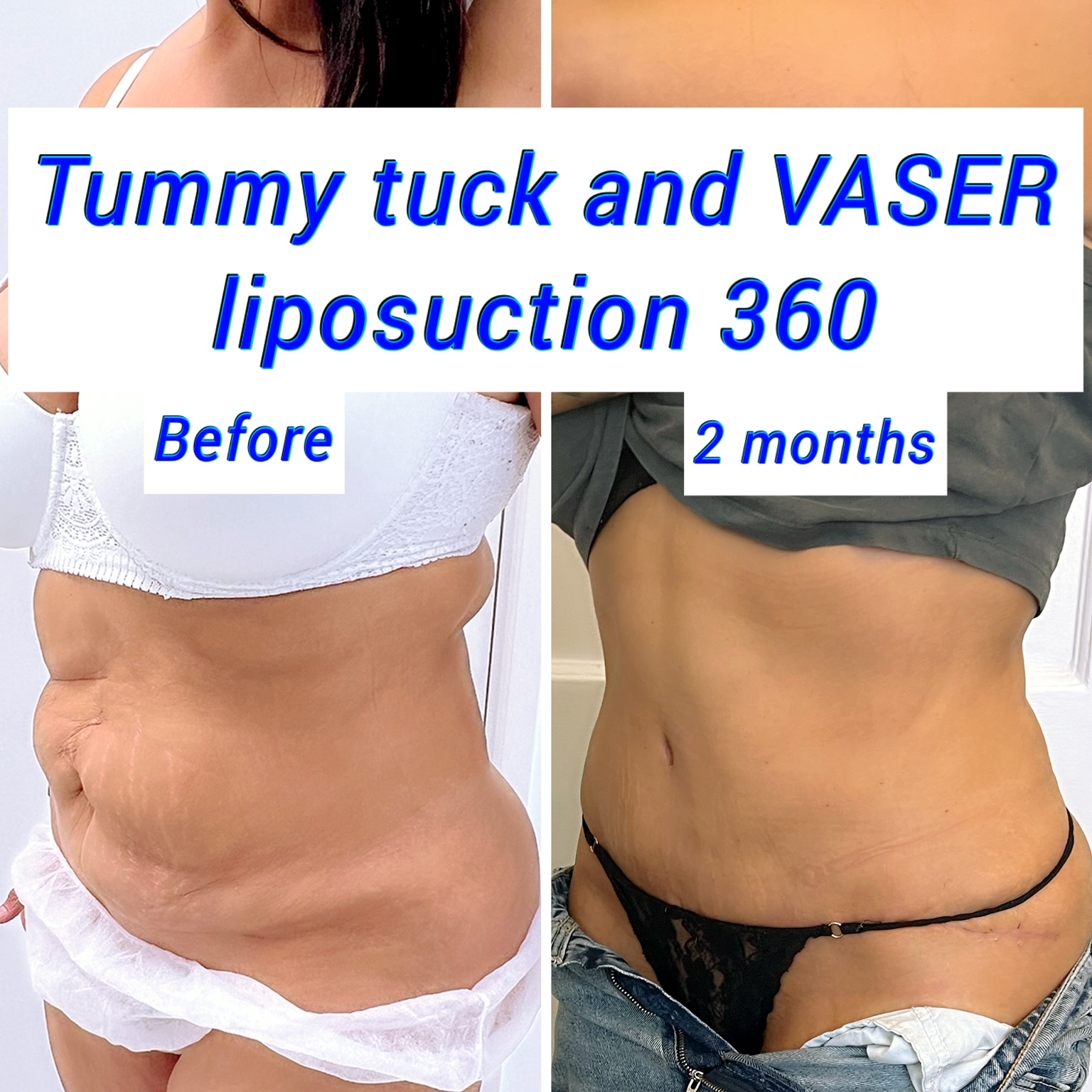
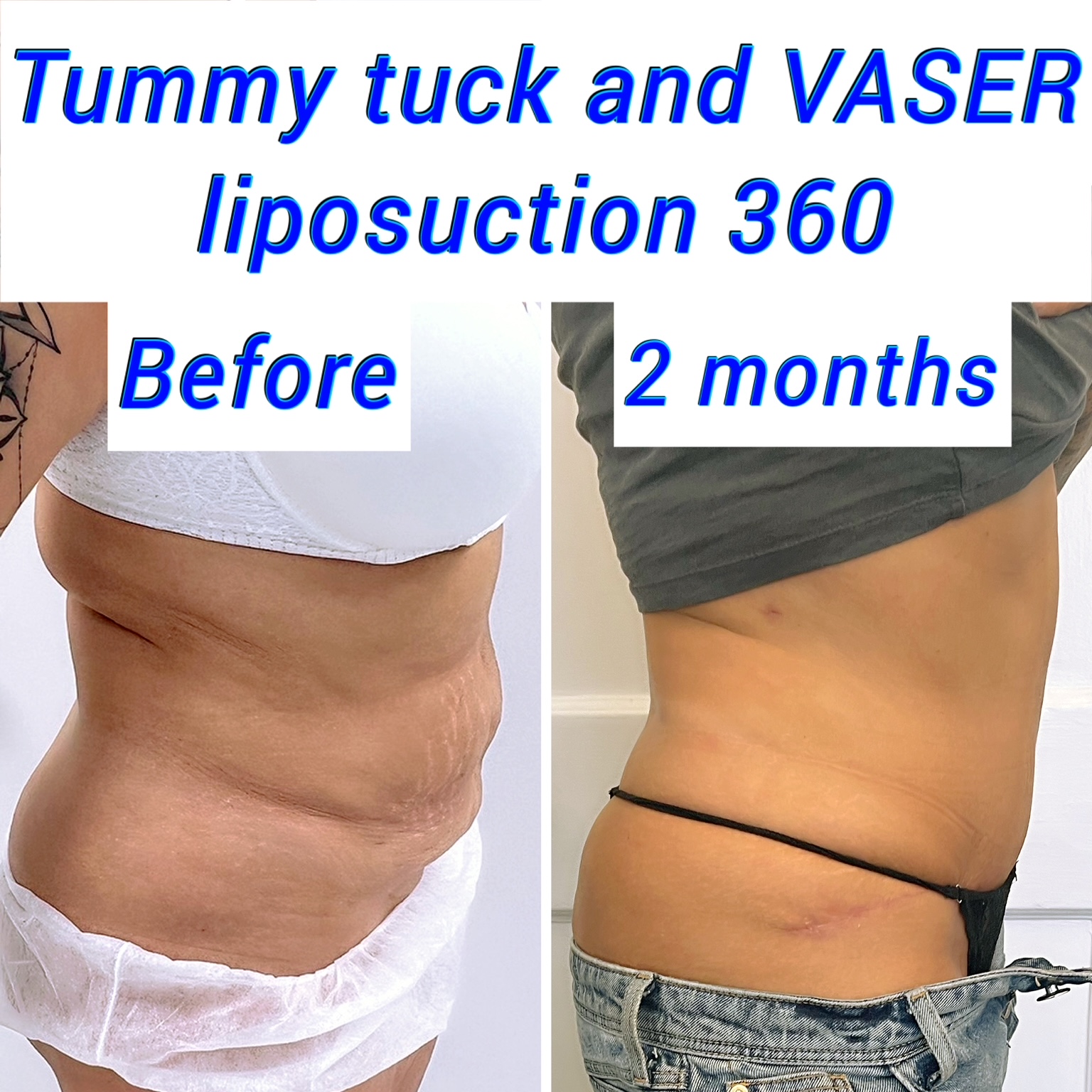
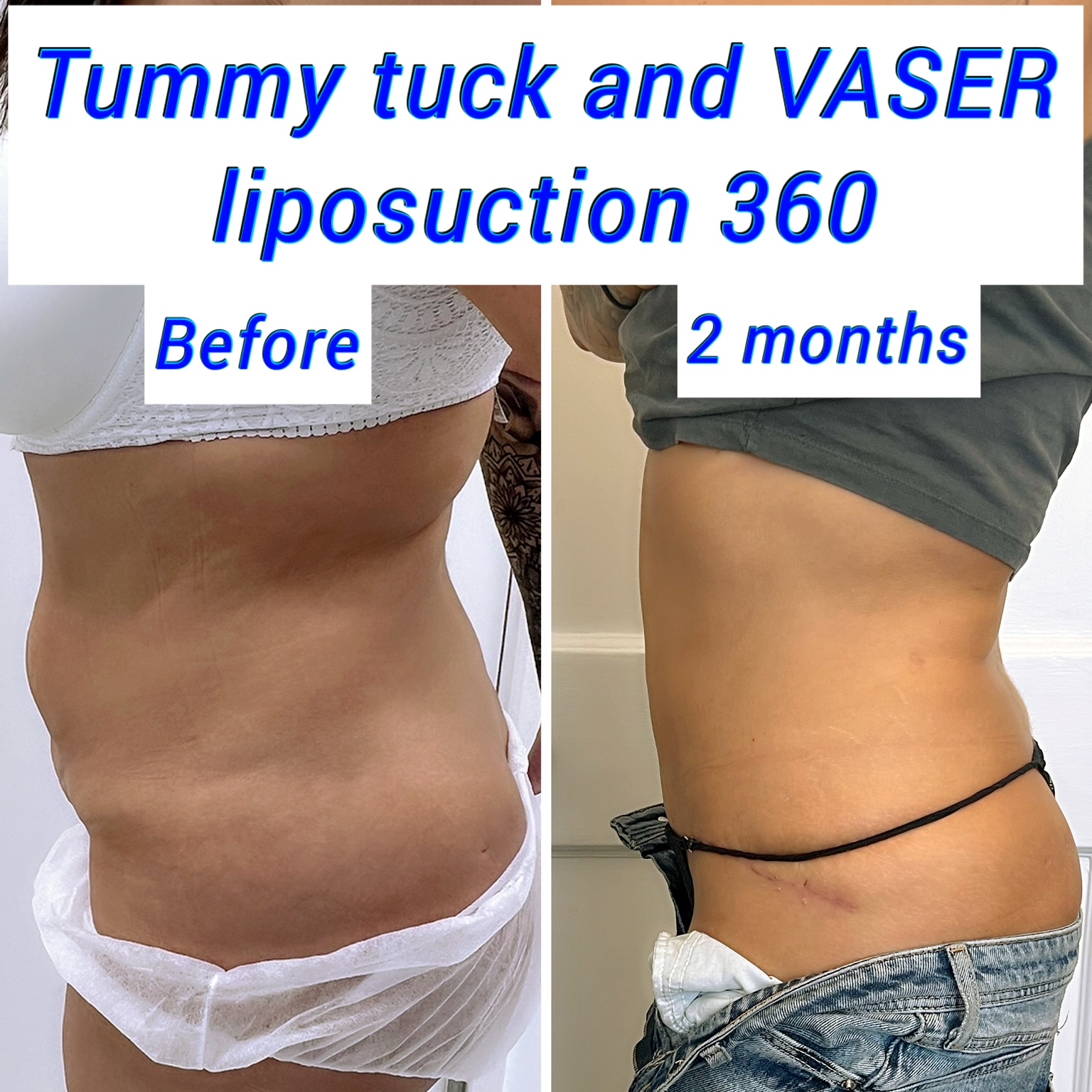
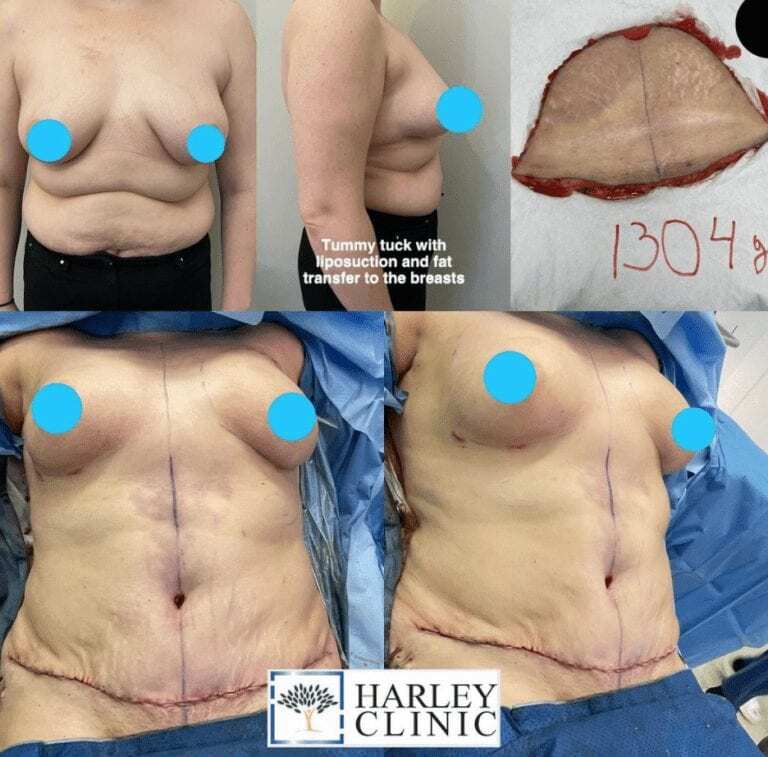
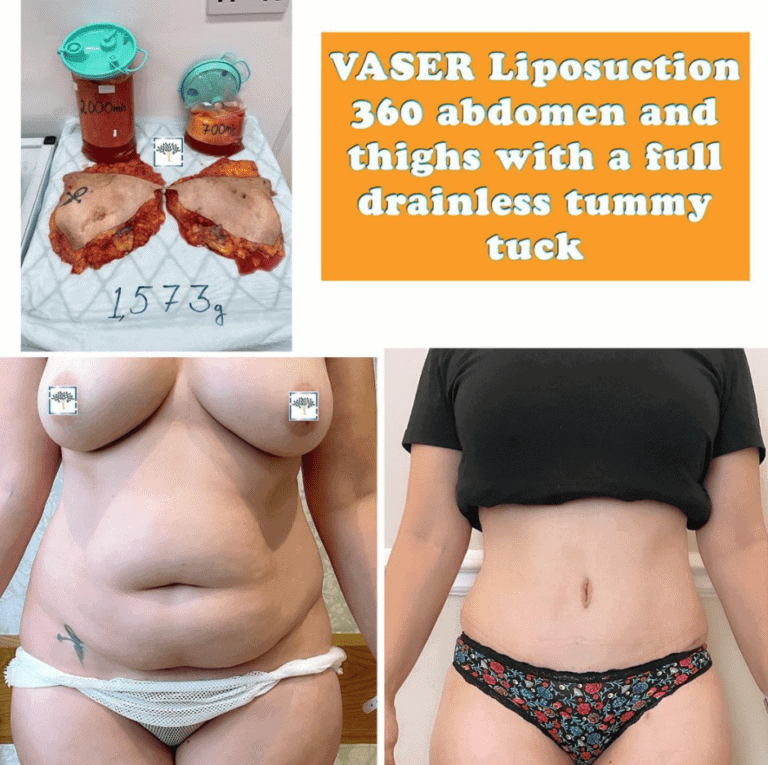
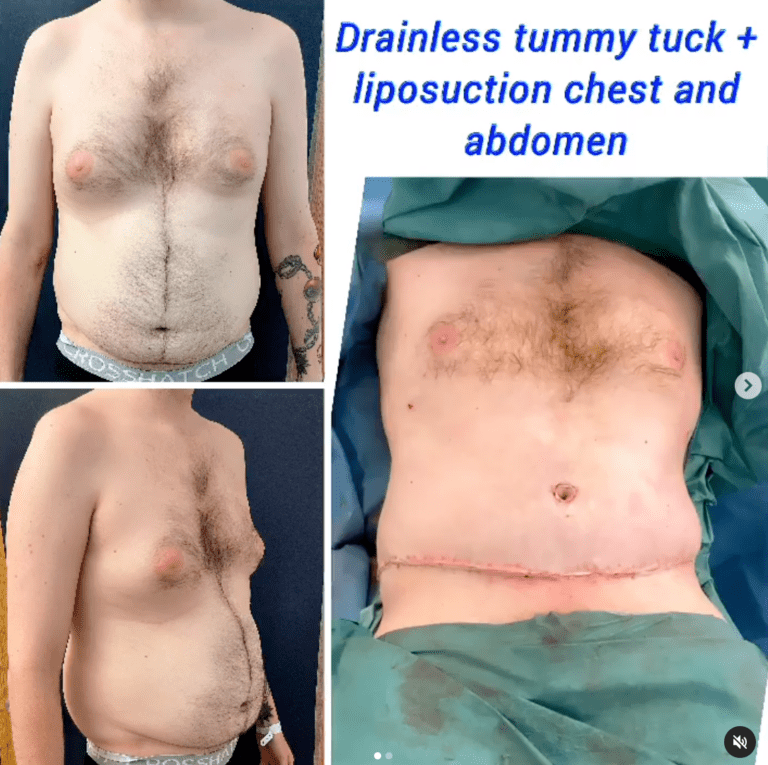
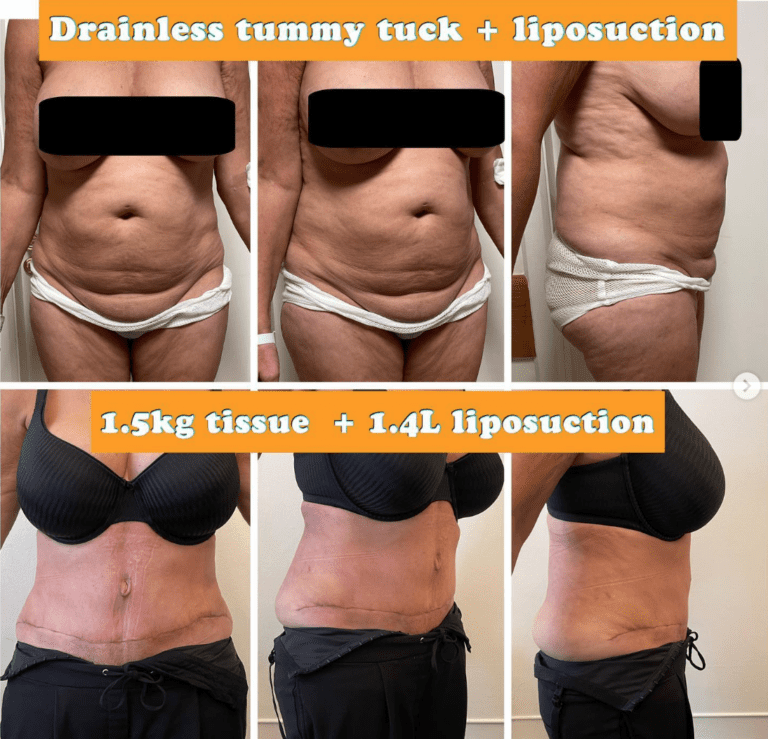
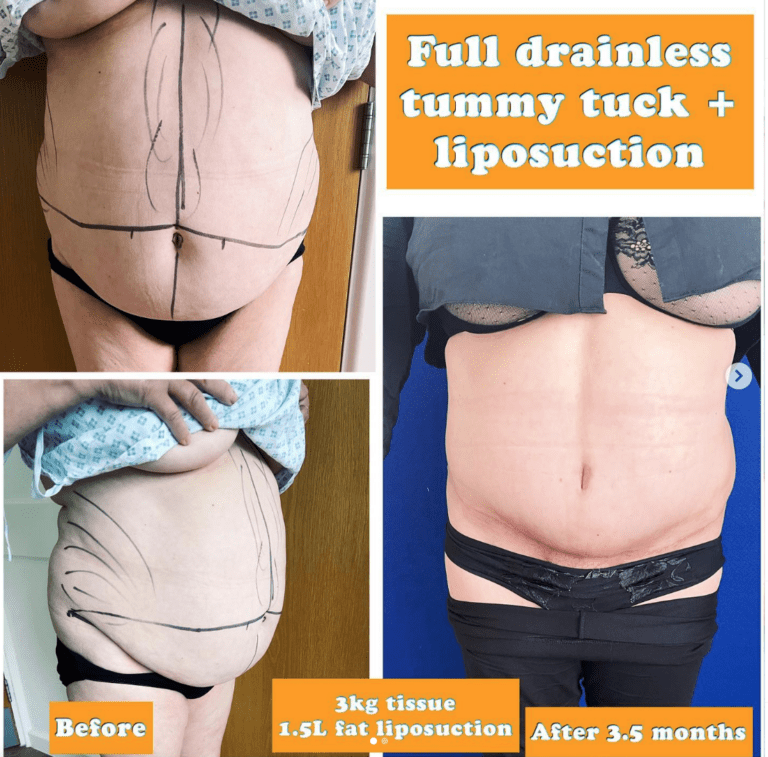
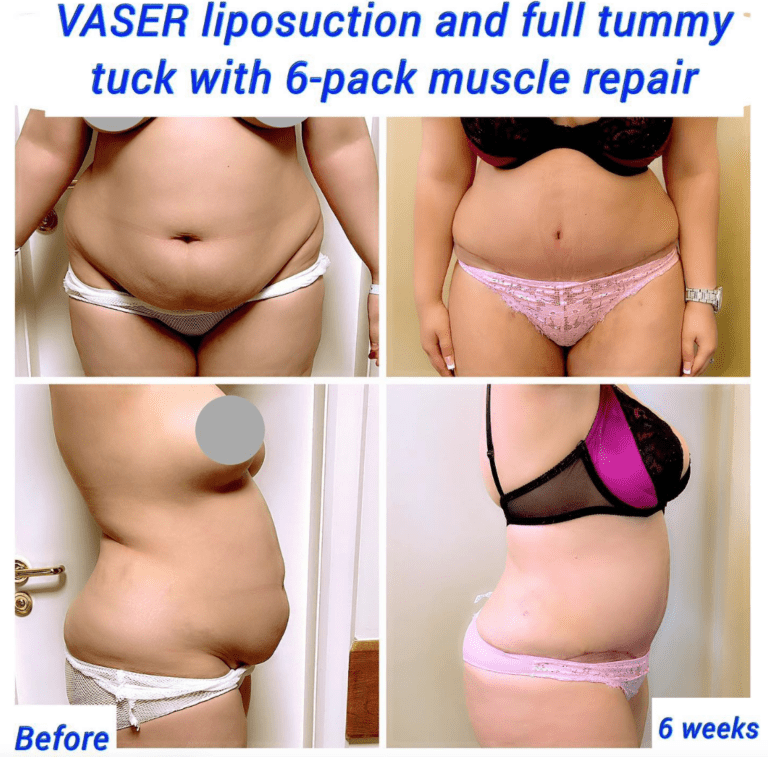
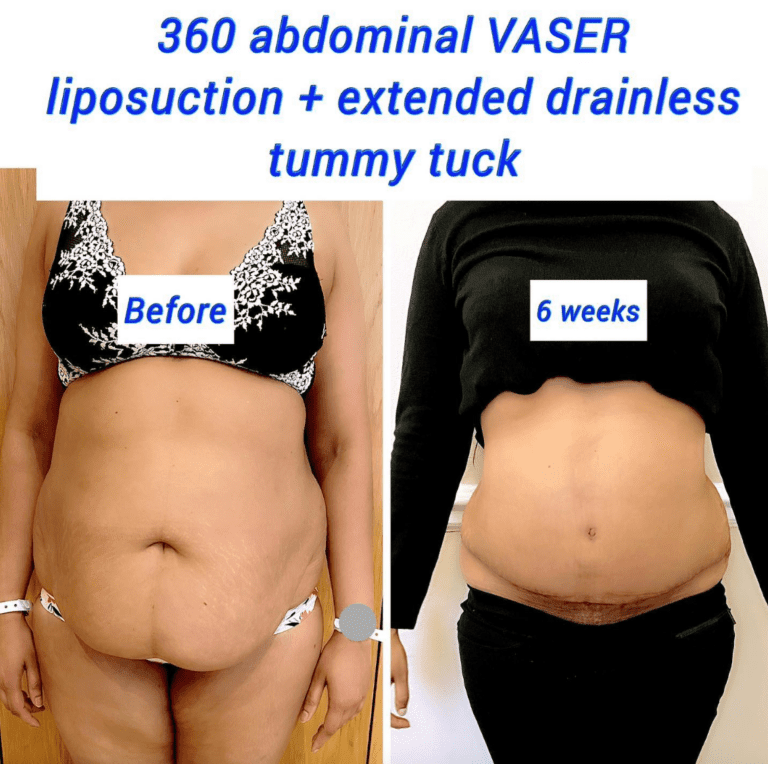
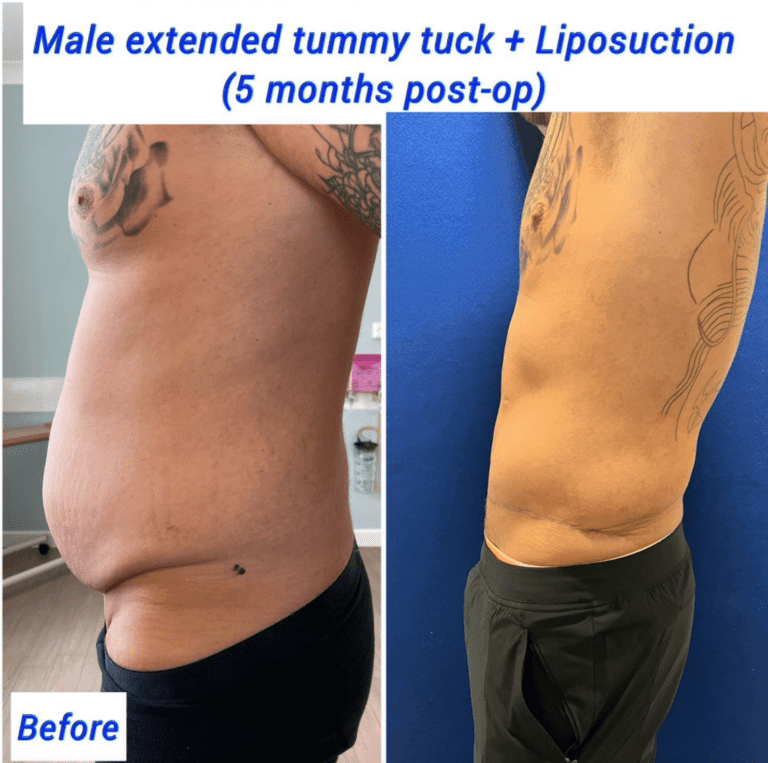
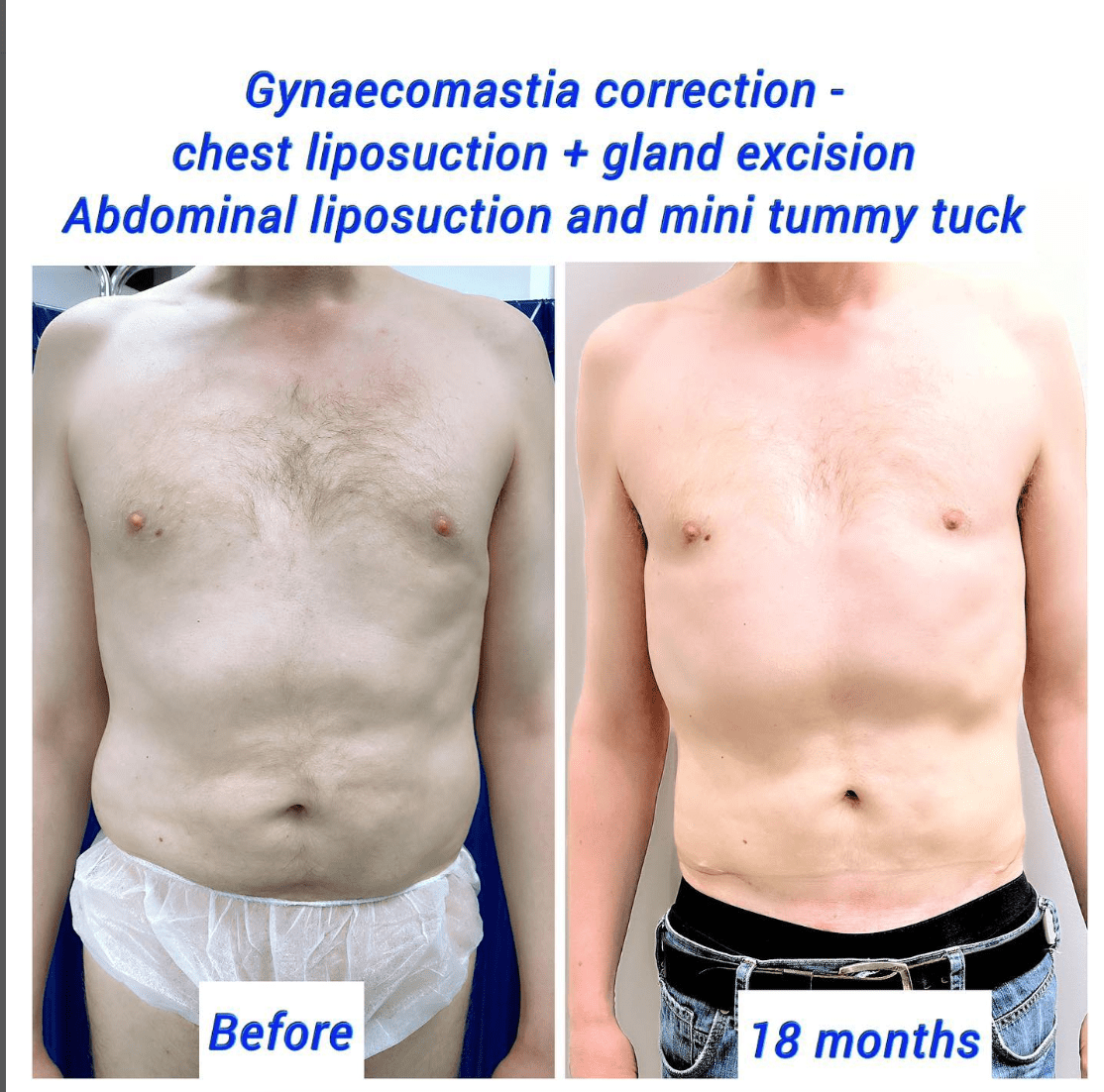
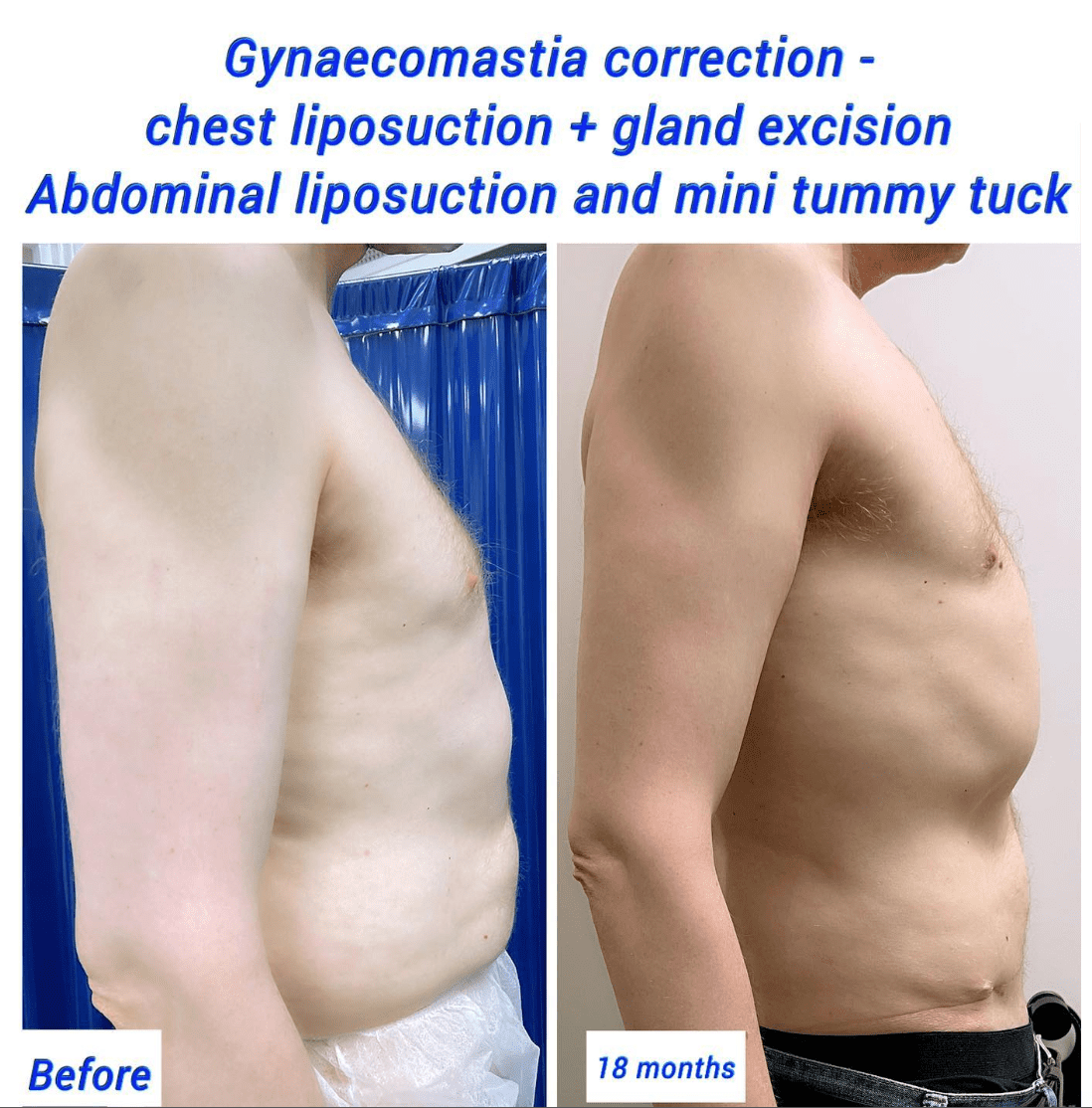
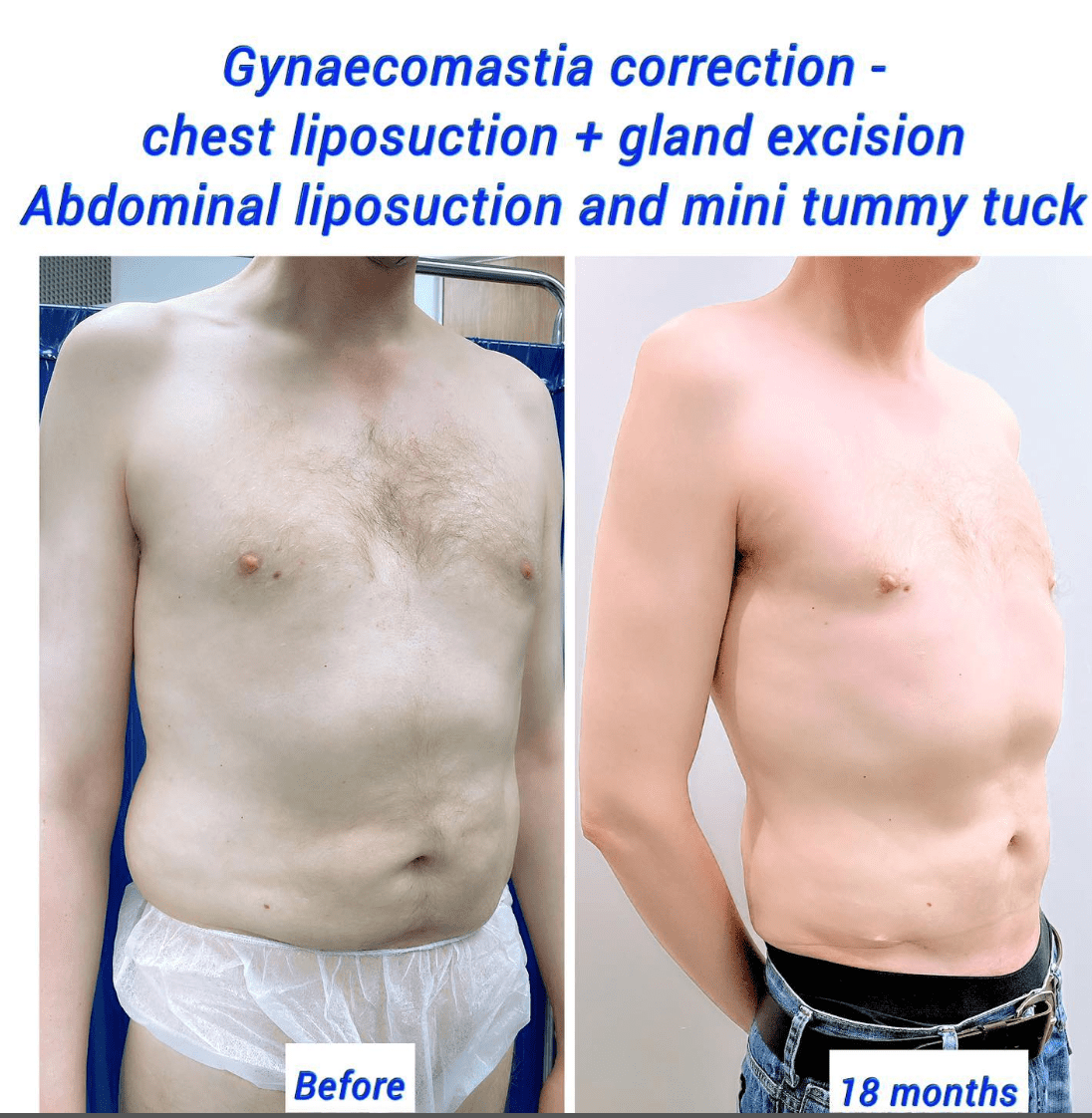
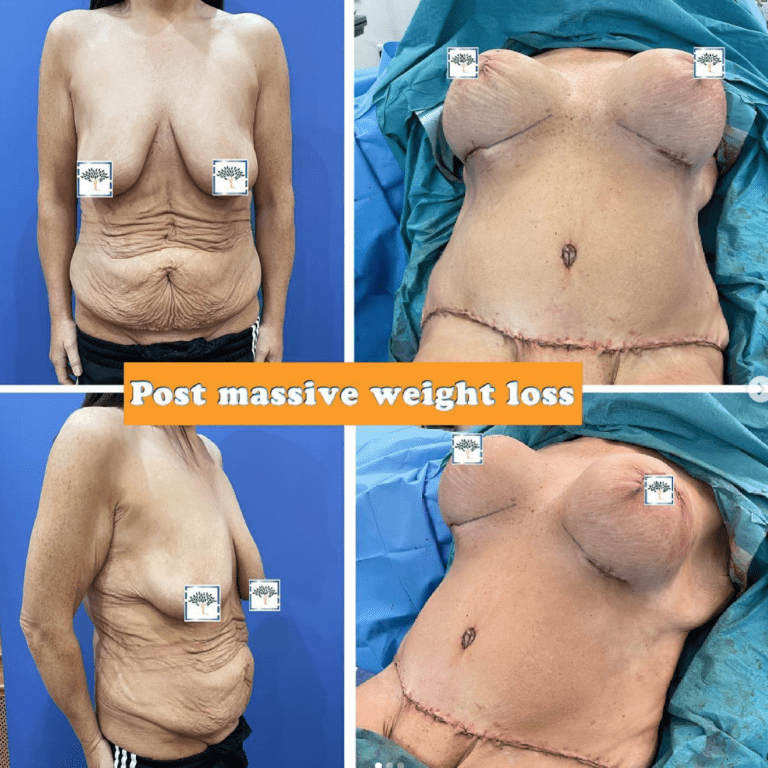
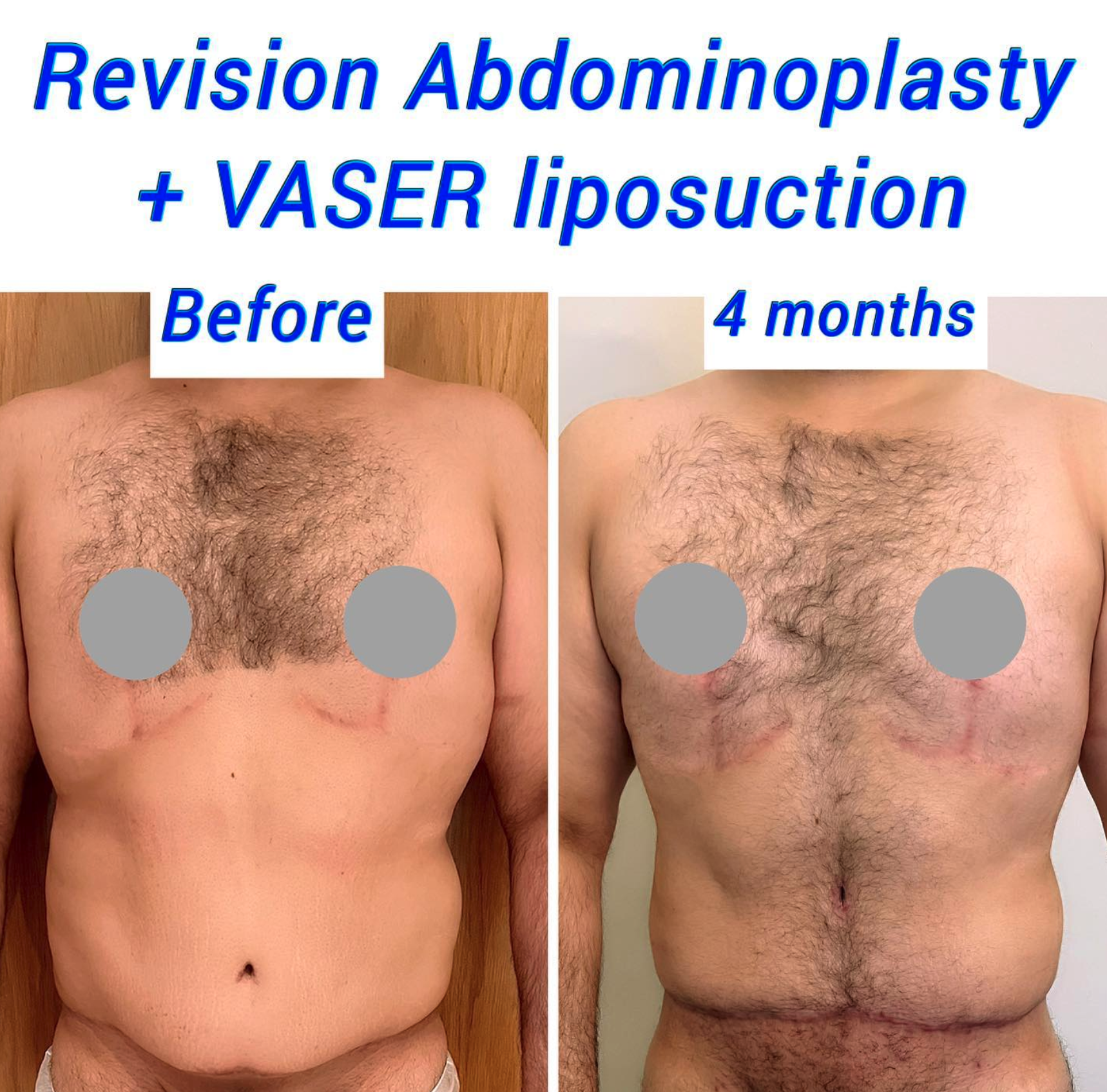
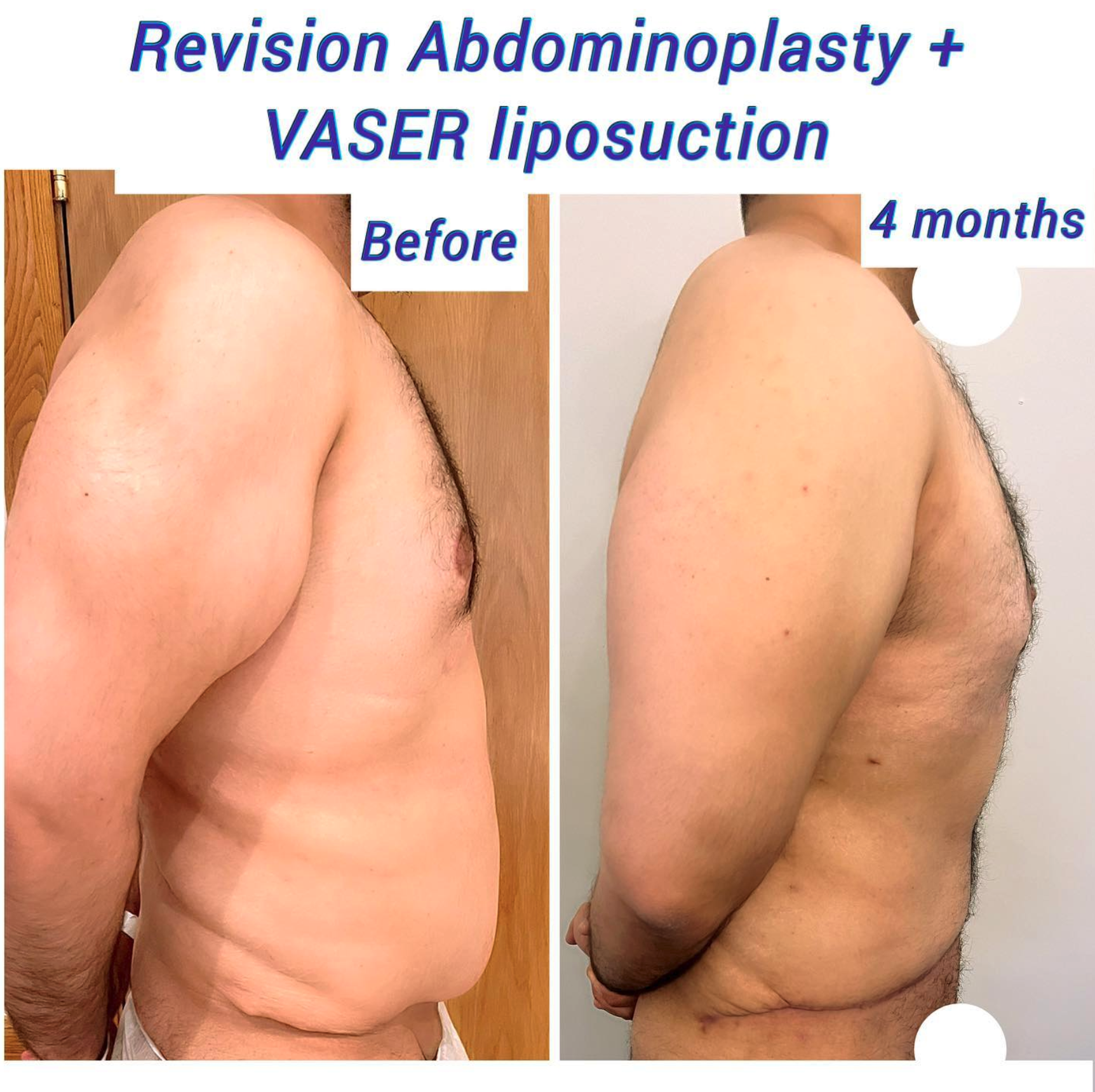
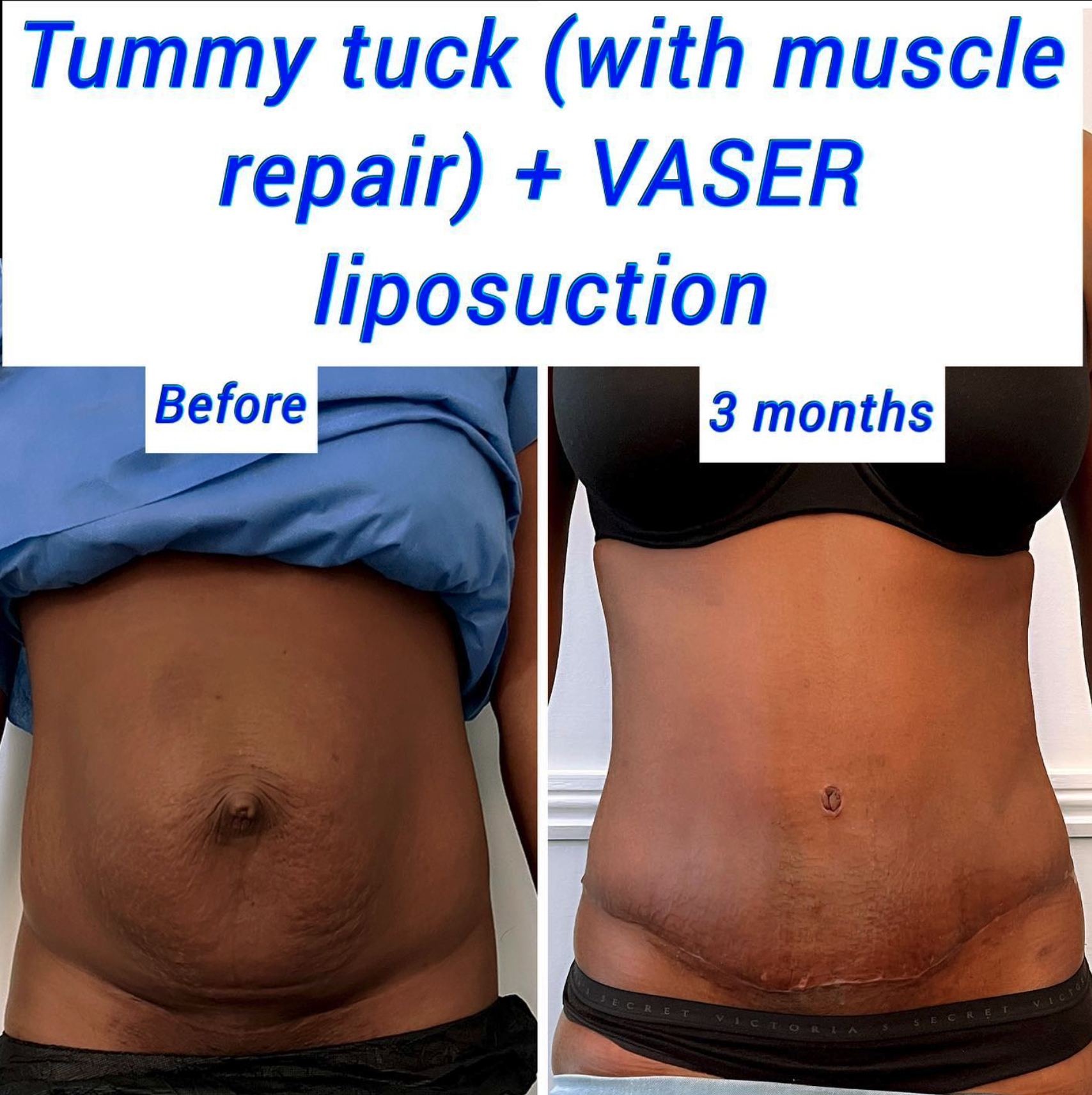
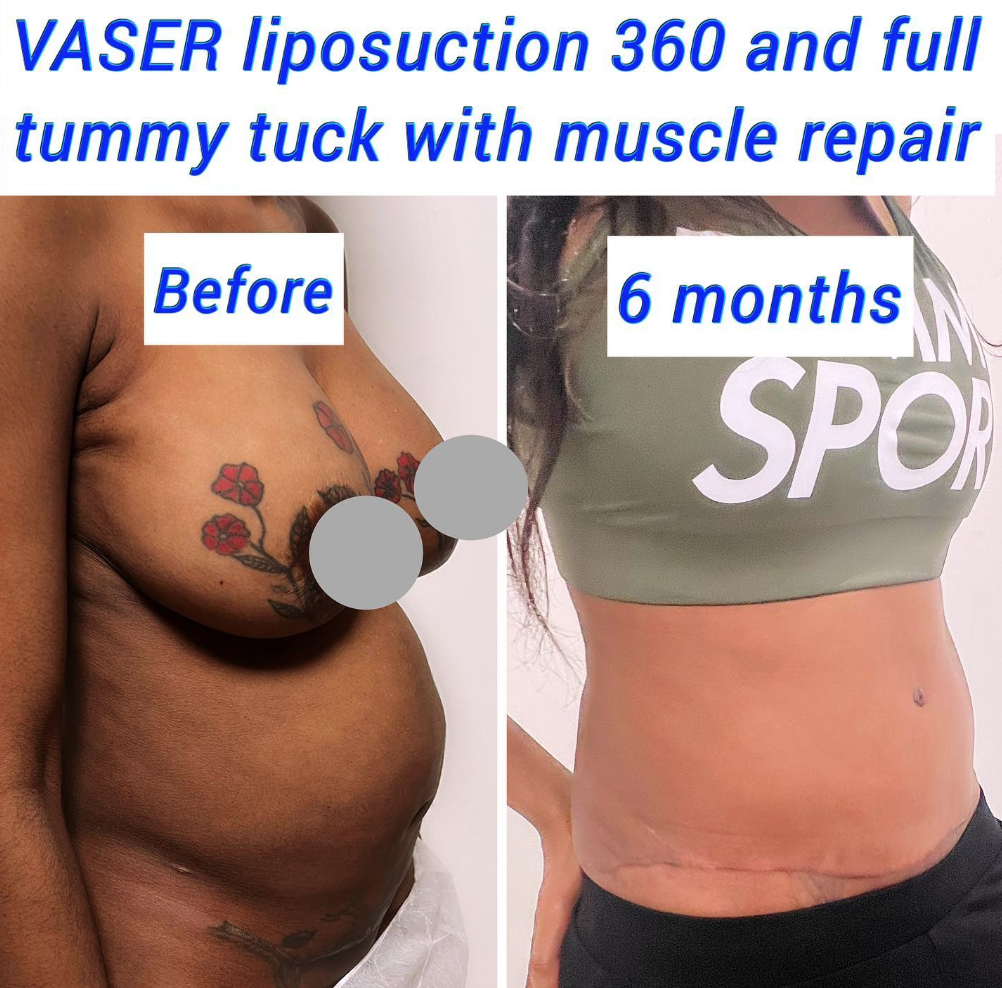
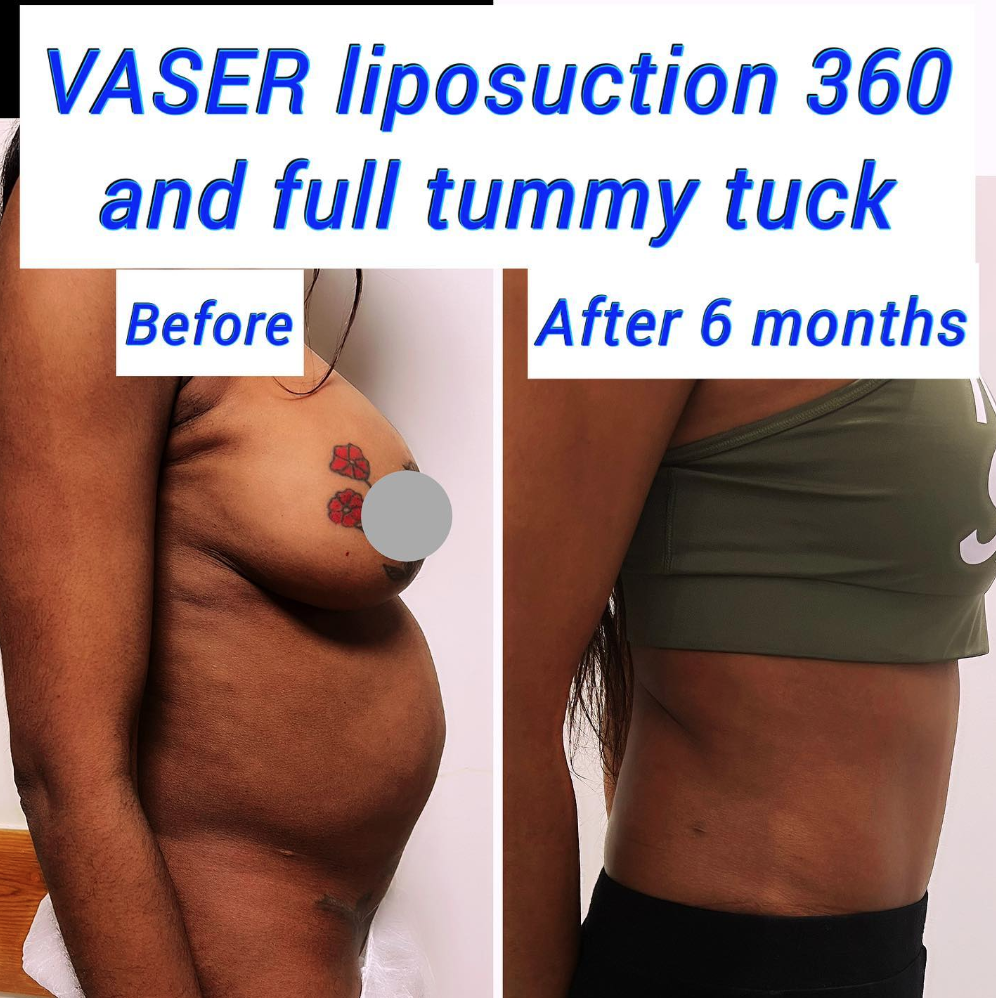
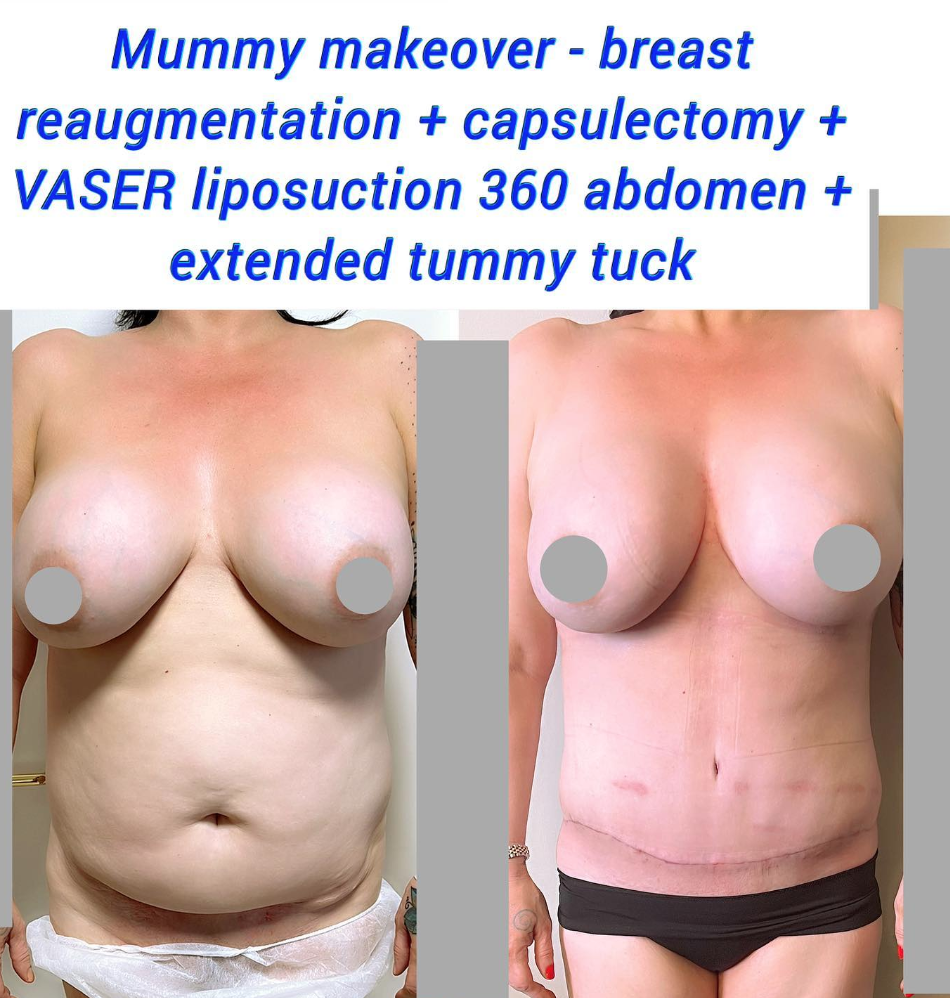
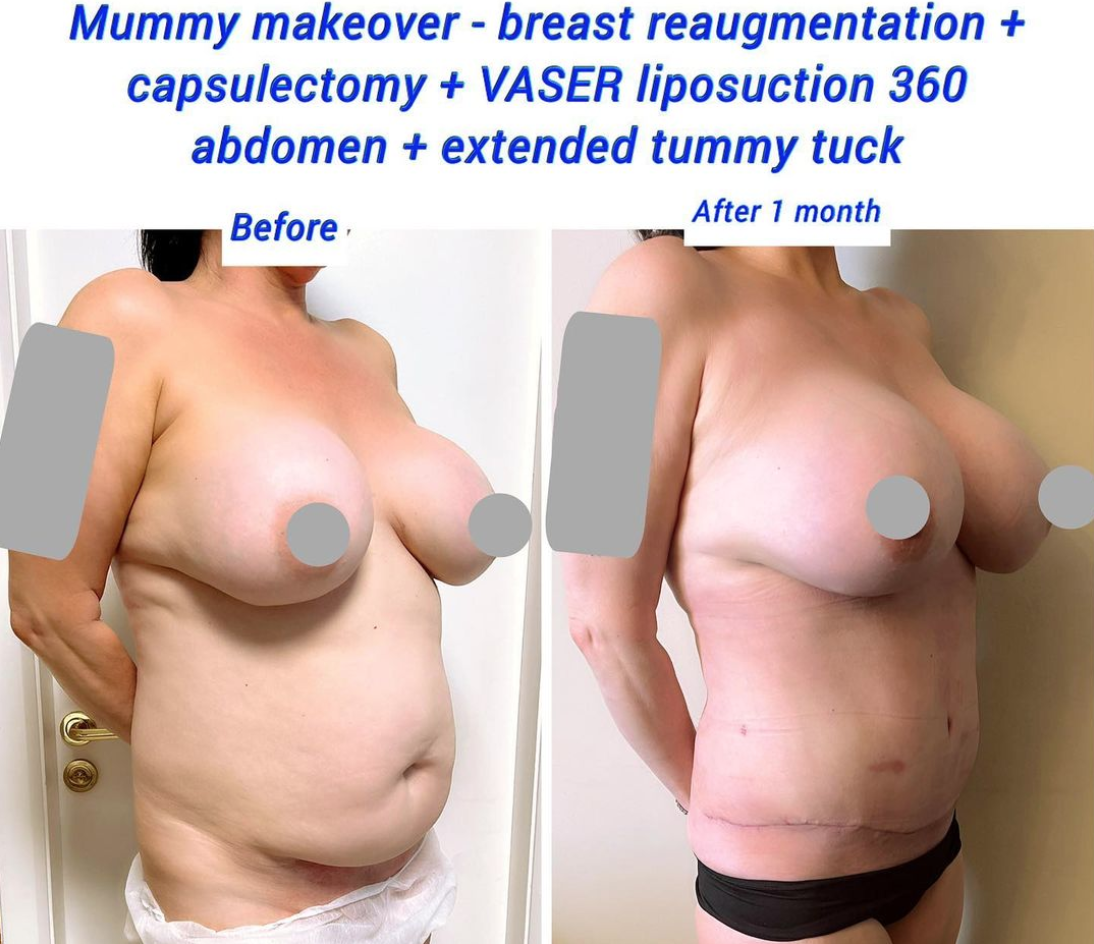
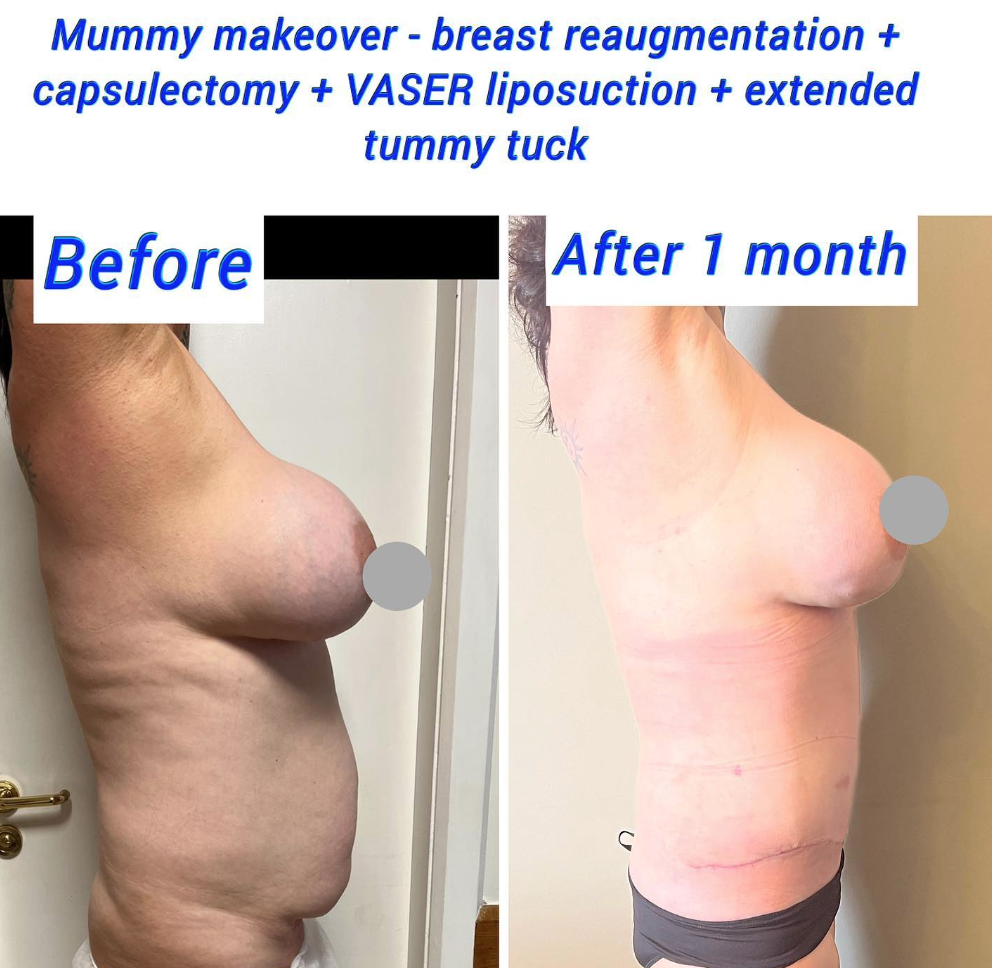
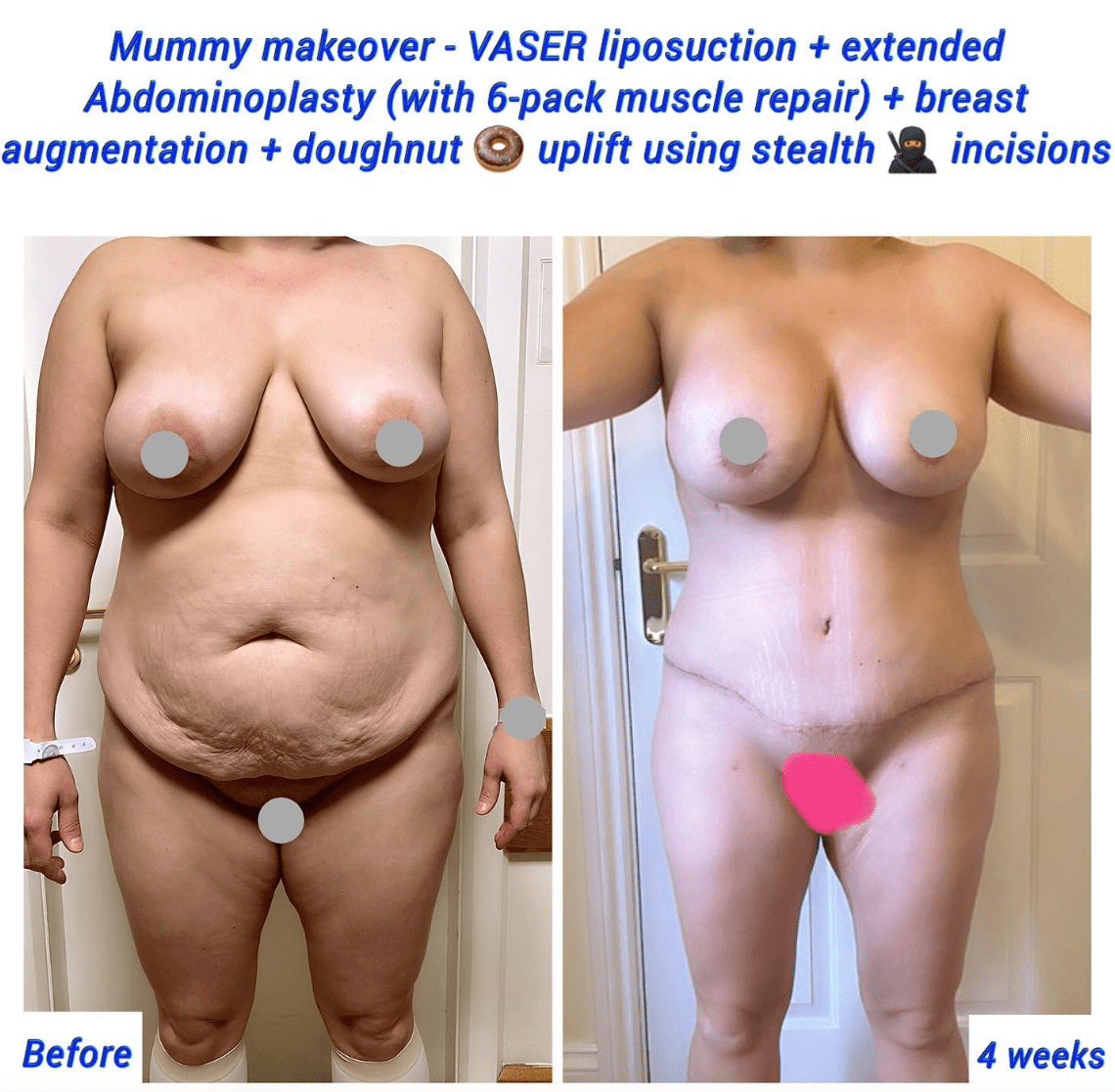
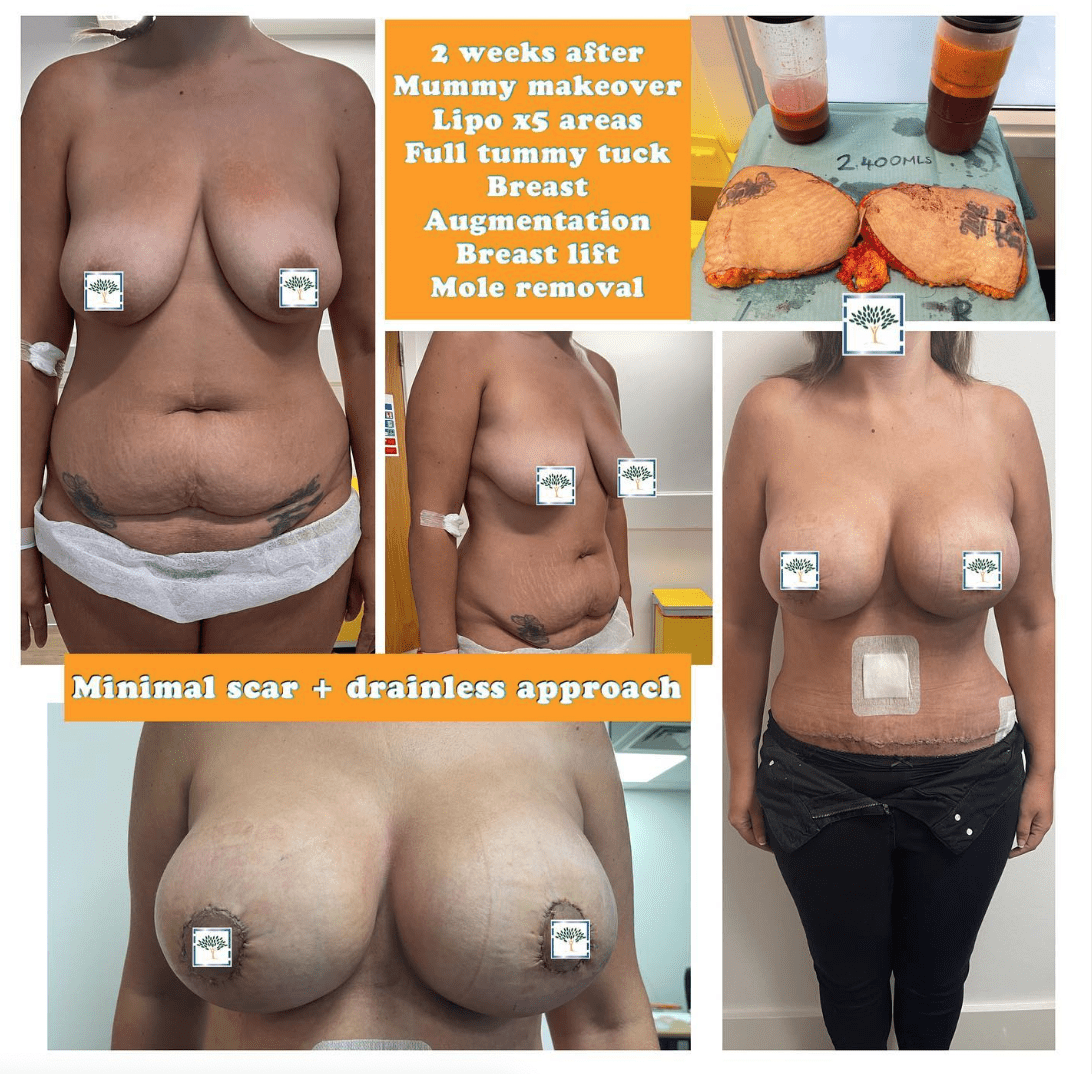
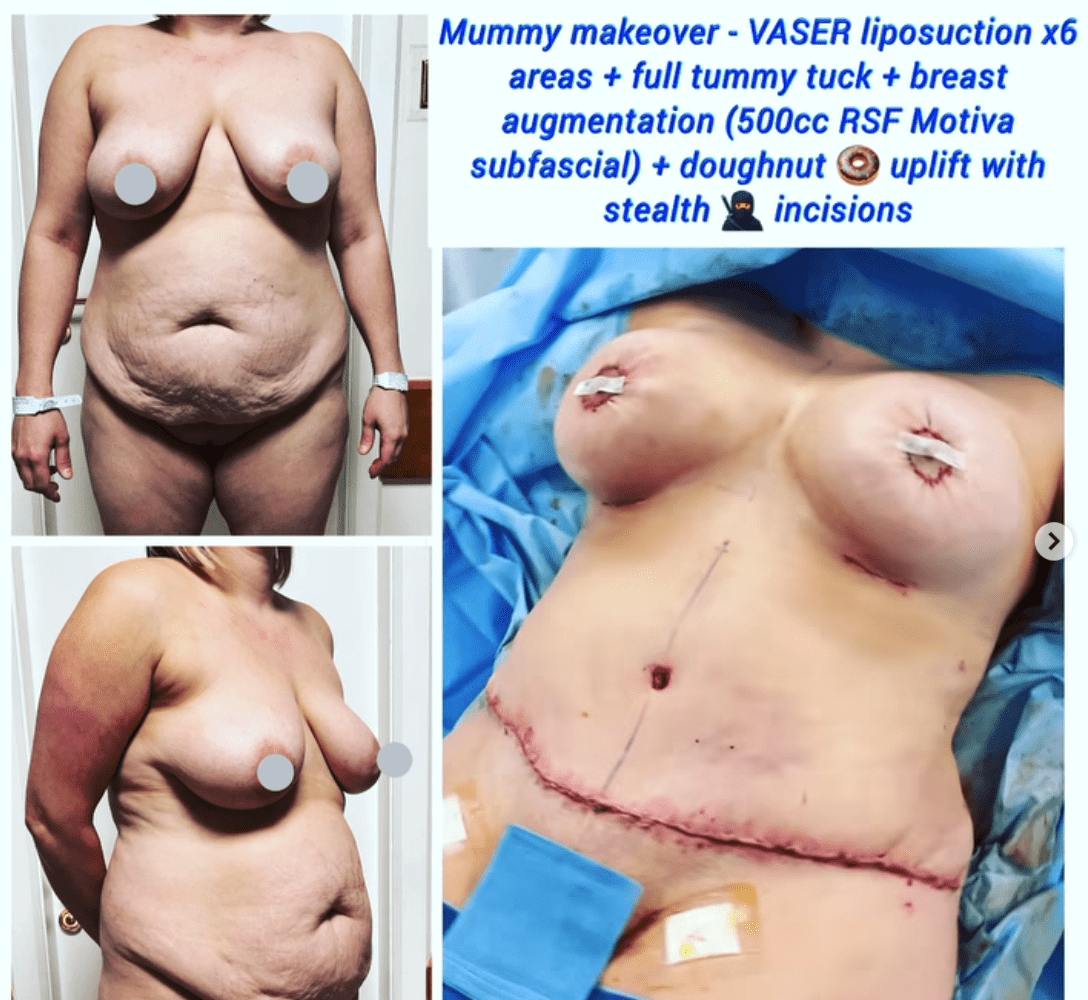
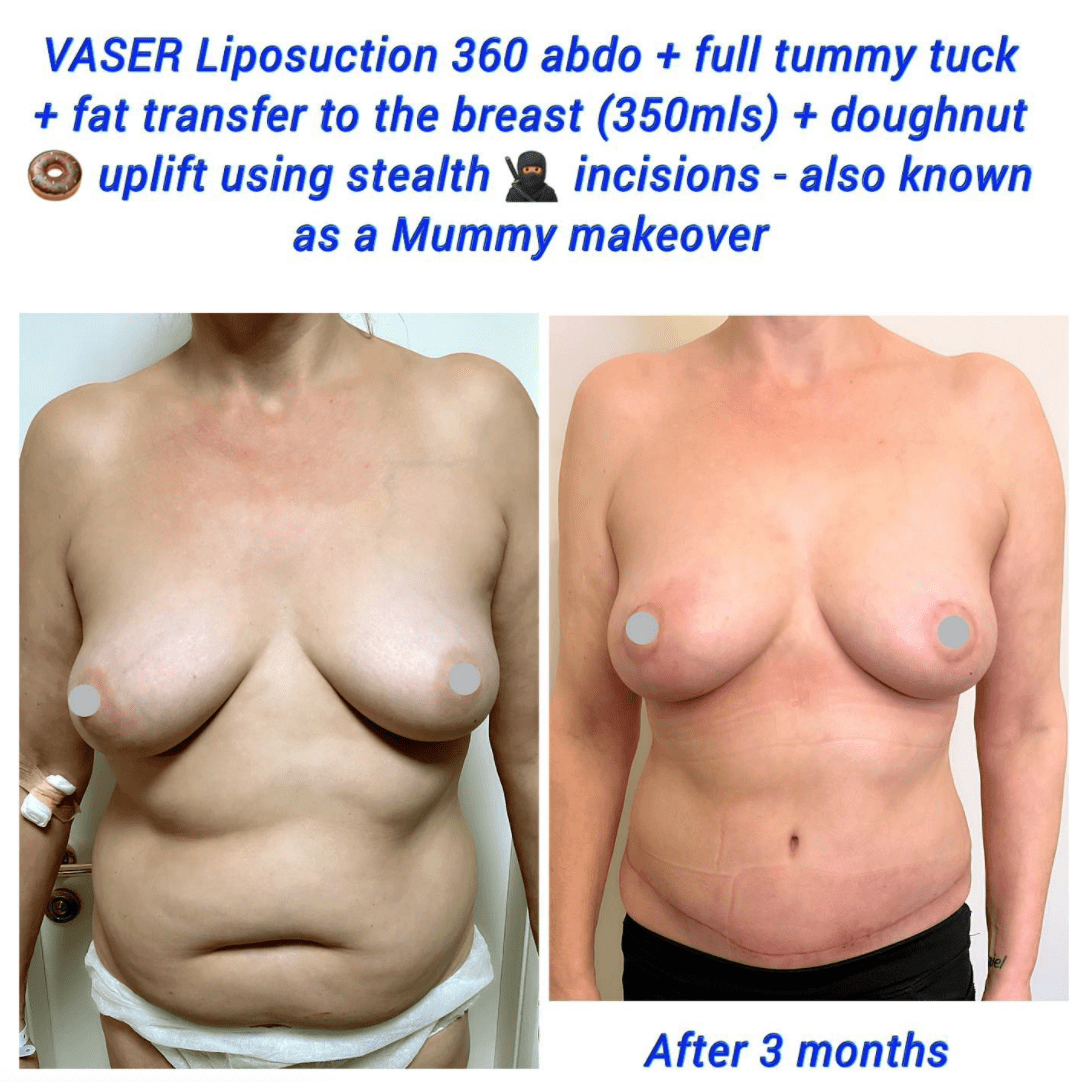
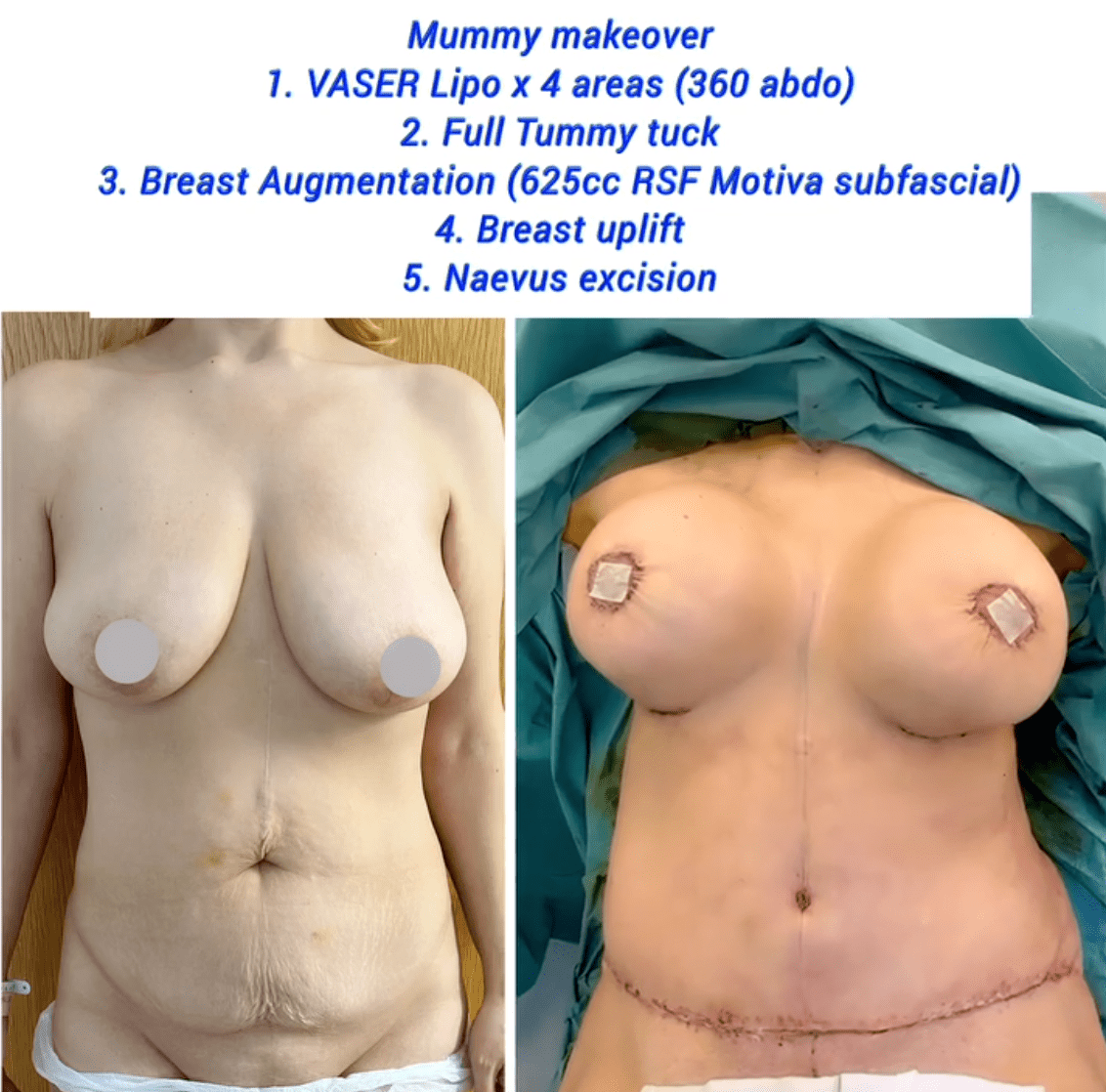
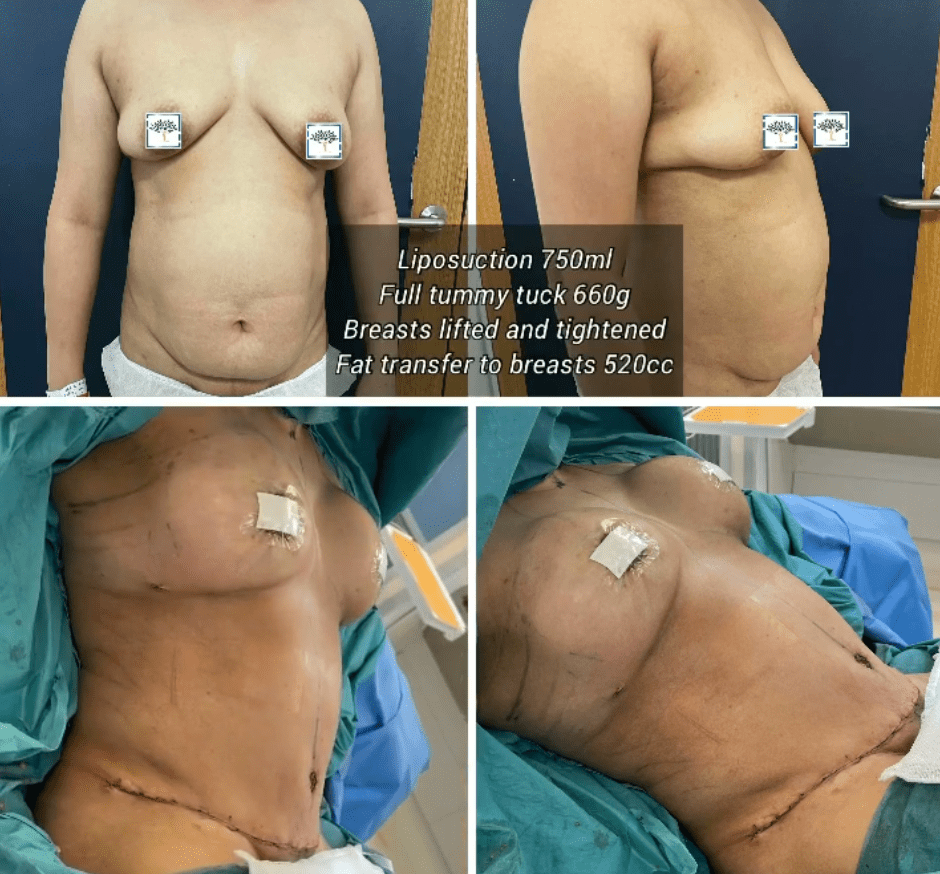
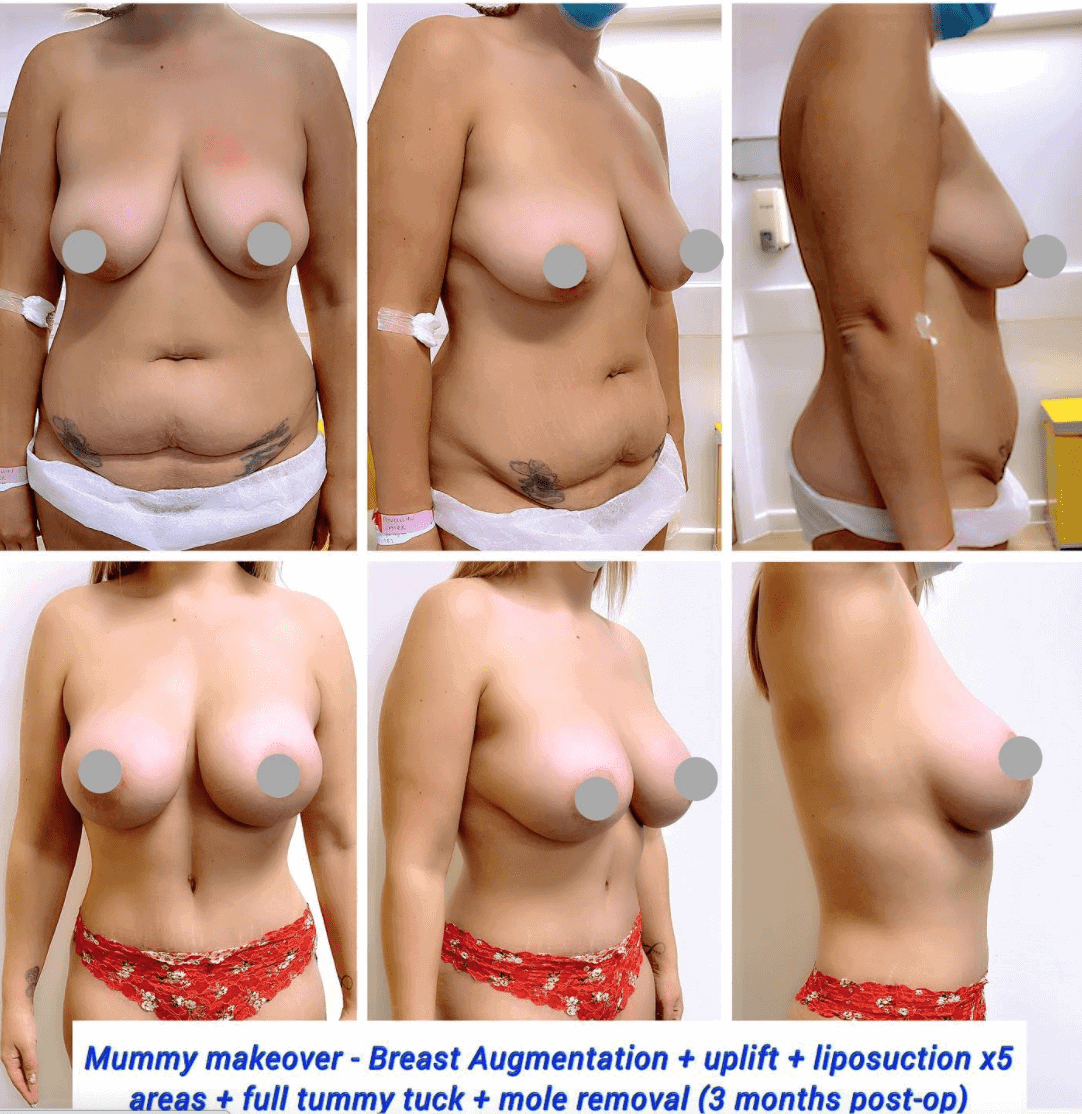
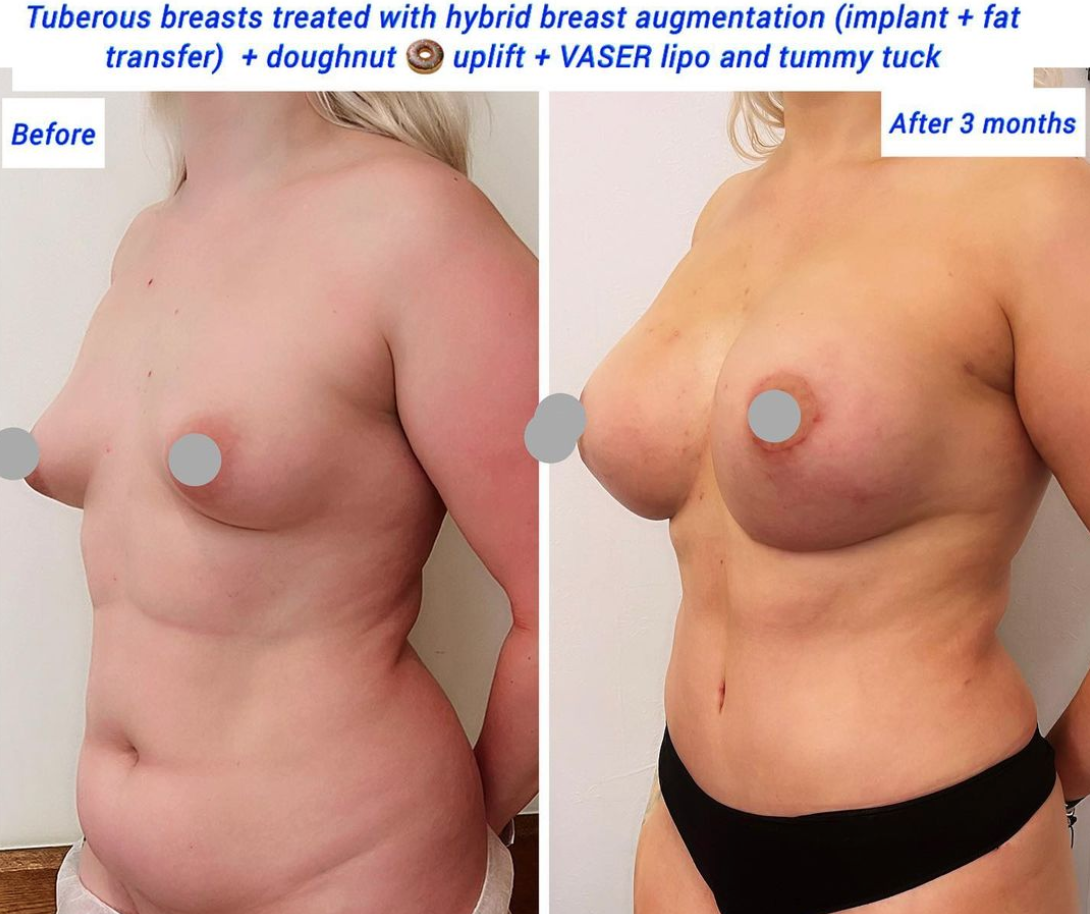
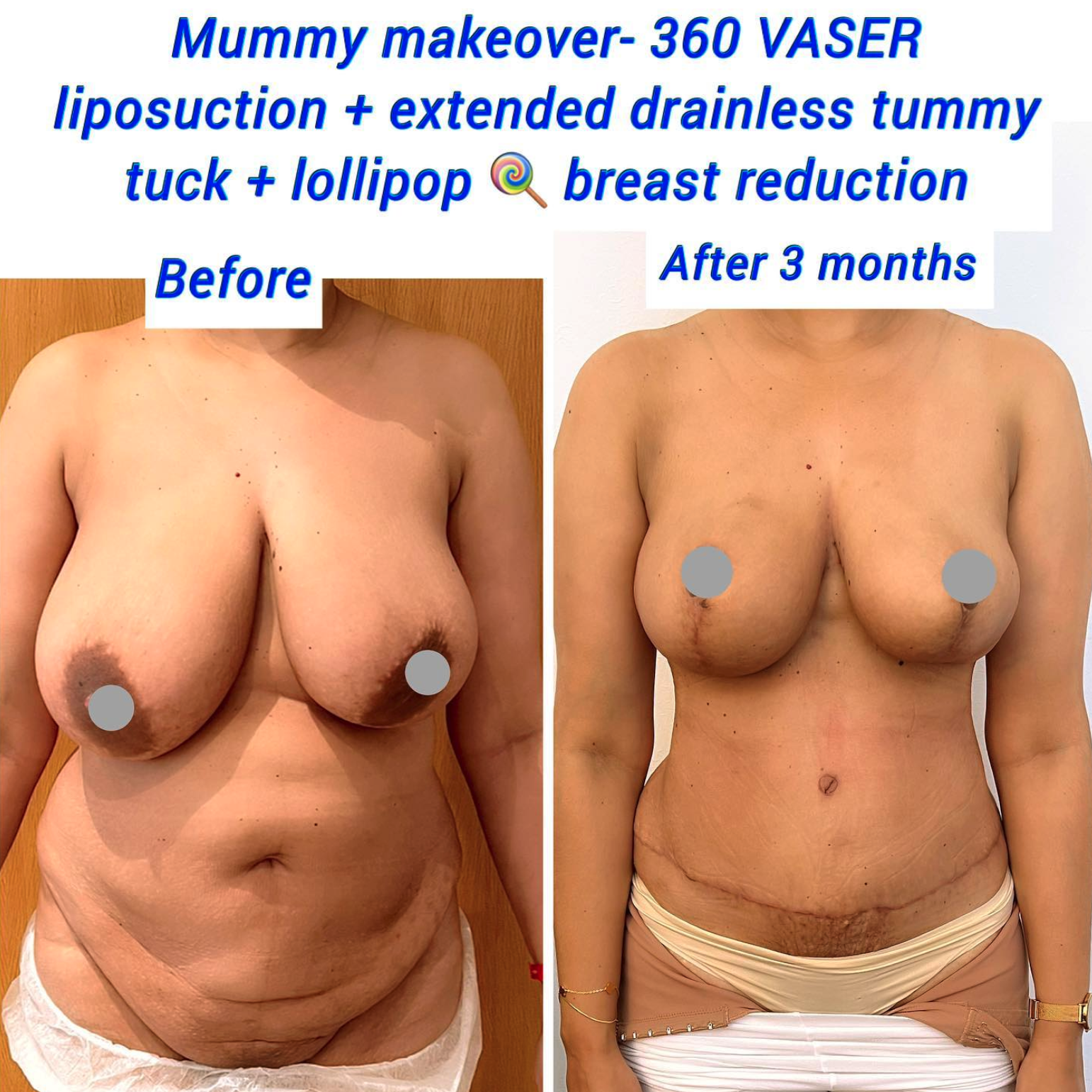
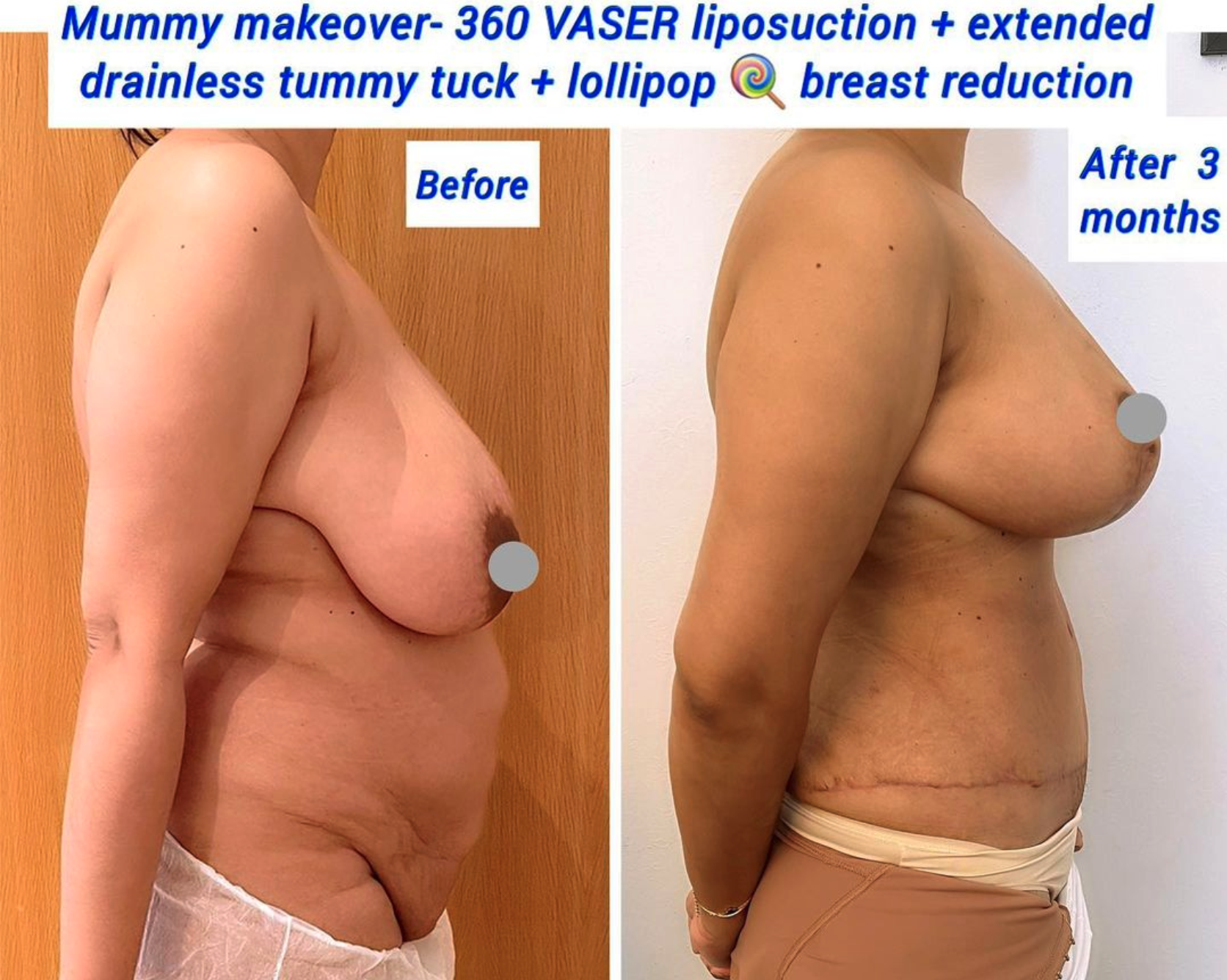
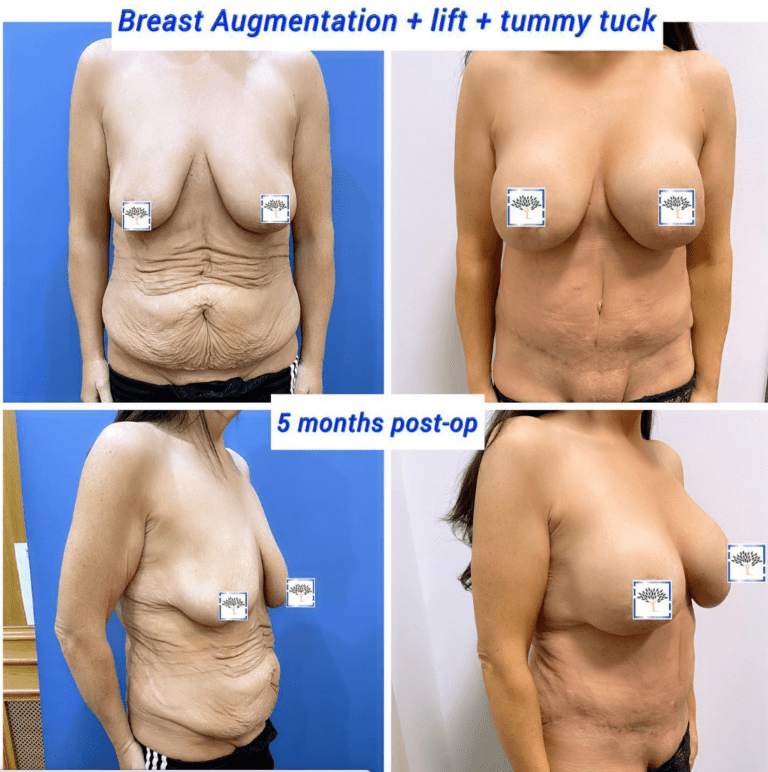
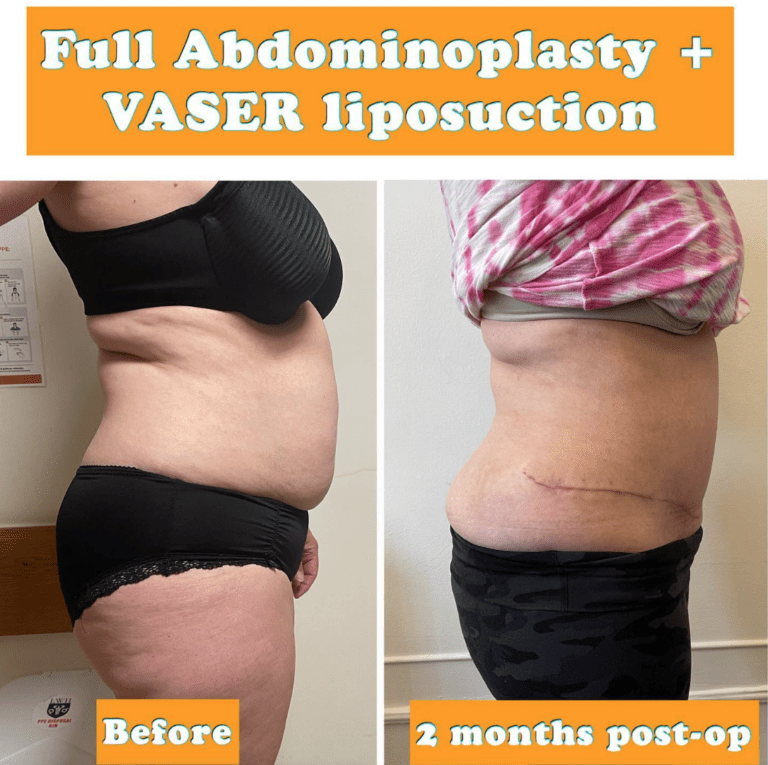
Abdominoplasty–often called a tummy tuck–is a surgical procedure designed to remove any excess skin and fat from the abdominal area while tightening the muscles beneath. It’s a particularly popular procedure, particularly among those who have recently lost a lot of weight, mothers who have recently given birth, and those who are experiencing sagging skin, usually due to ageing. Although known for its potential to enhance the physical appearance of the abdomen, a tummy tuck also helps improve posture and core strength by repairing separated abdominal muscles.
Tummy Tuck: Quick Overview
Surgery Time: 2-3 hours
Anaesthetic: General
Hospital Stay: Same-day or 1 night
Dressing and Garments: Draining tube for 1 week, compression garment for 6 weeks
Time Off Work: 2 weeks
Exercise: 6-8 Weeks
Mobile: 4-5 days
Washing: 48 hours
Sleeping Position: On your back with a slight bend and upper body elevated for 6 weeks
Full Recovery: 8 weeks
Adjuncts: a recliner, bed ladder, toilet seat riser, body pillow, extra pillows
What is a Tummy Tuck?
In essence, a tummy tuck is a body contouring procedure that aims to improve the abdomen’s appearance. Though not a weight loss solution, it’s effective at treating excess skin and weakened muscles that might not respond to diet and exercise. For individuals who have experienced significant changes in their bodies due to pregnancy, aging, or weight fluctuations, a tummy tuck is generally ideal.
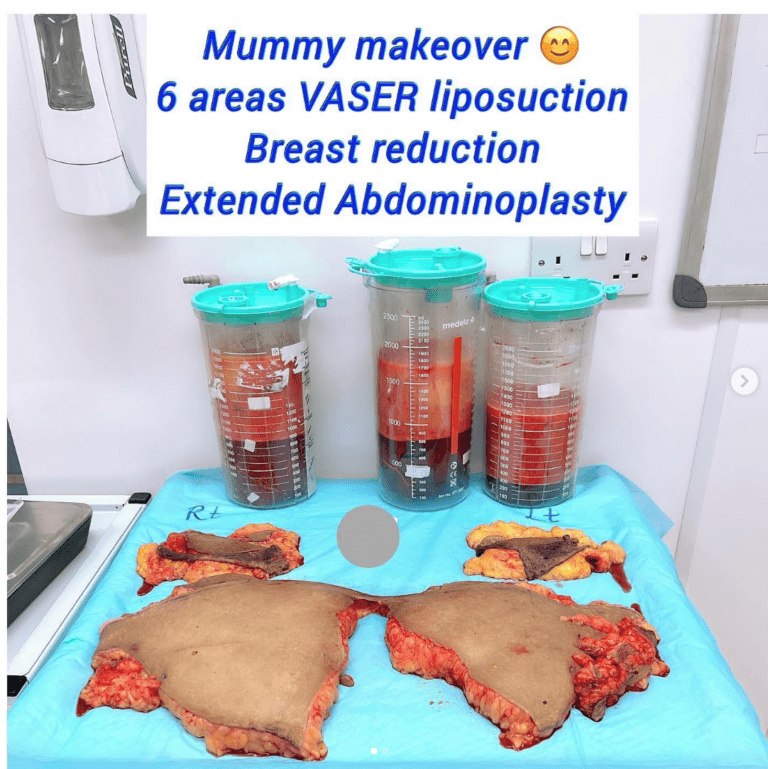
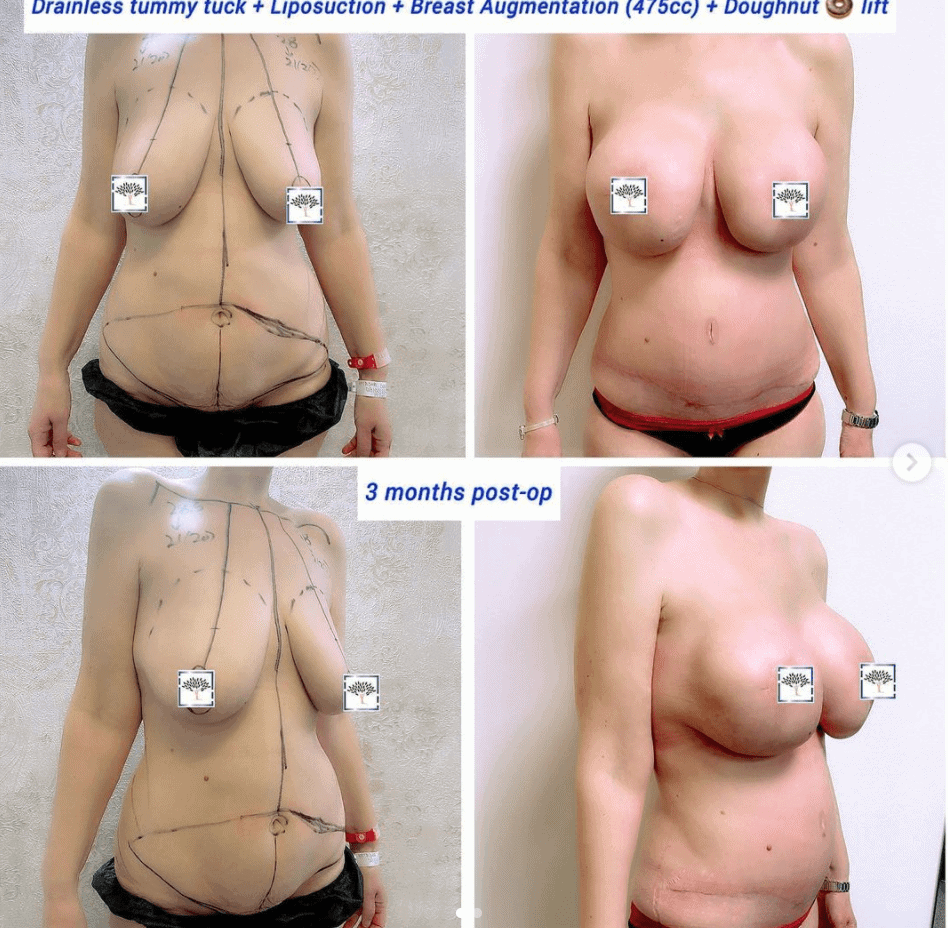
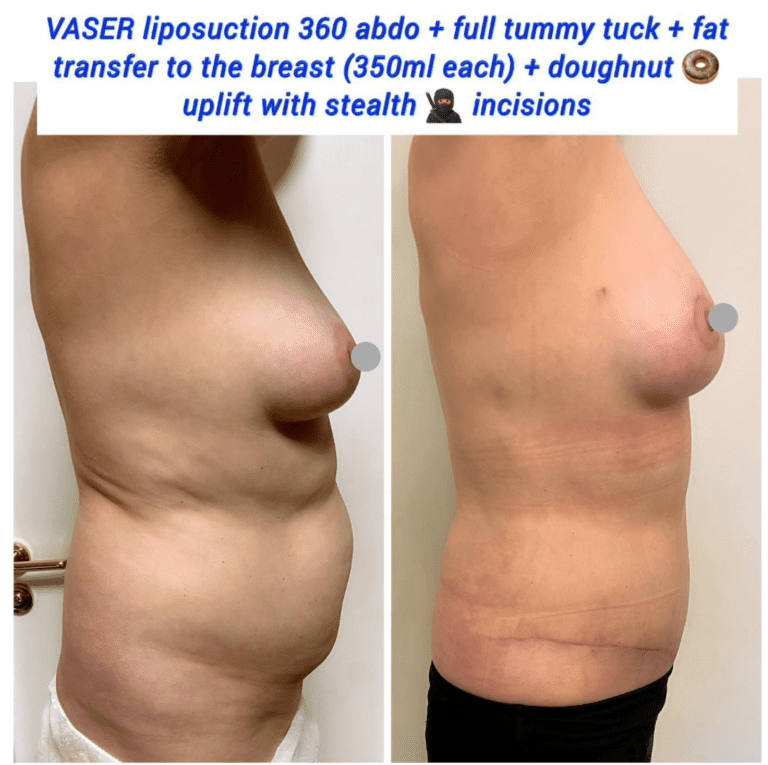
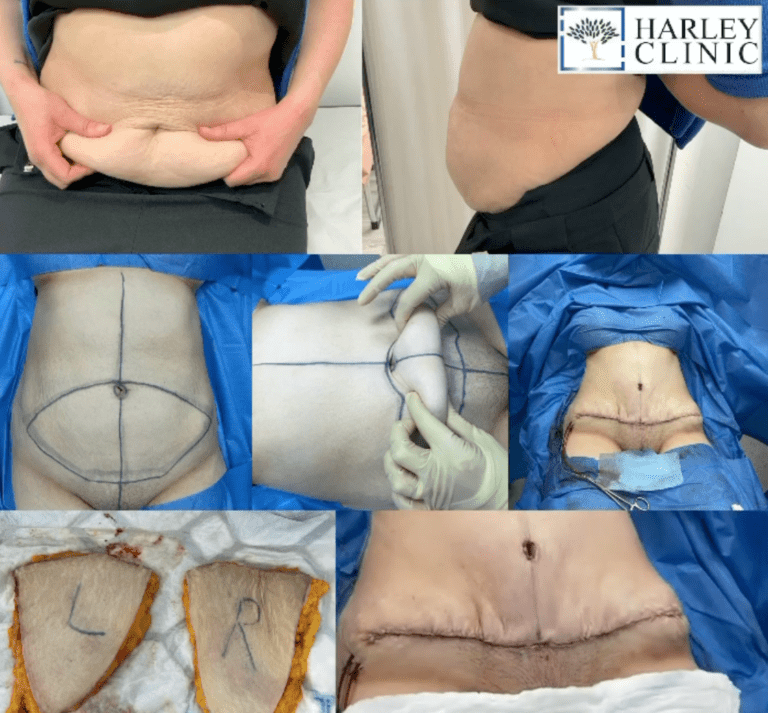
The procedure begins with the surgeon making an incision across the lower abdomen, removing the excess skin and fat, and then tightening the abdominal muscles for a smoother and firmer appearance. It might be necessary for the surgeon to reposition the belly button to create a more natural look. If the individual having the surgery maintains a healthy diet and does regular exercise after the surgery, then the results will be long-lasting. It’s often combined with other procedures, such as liposuction, or as part of a mummy makeover, to enhance body contouring results.
If you’re interested in seeing how tummy tuck surgery can help you, book a consultation today.
Types of Tummy Tuck
There are several types of tummy tuck surgeries. Depending on how much skin and fat you would like removed, one option may be more suitable than another. The procedure time for a tummy tuck ranges from 2 to 4 hours. Although the procedures are similar, your surgeon will use different techniques. This can result in varying scar placements, surgery time, and recovery length.
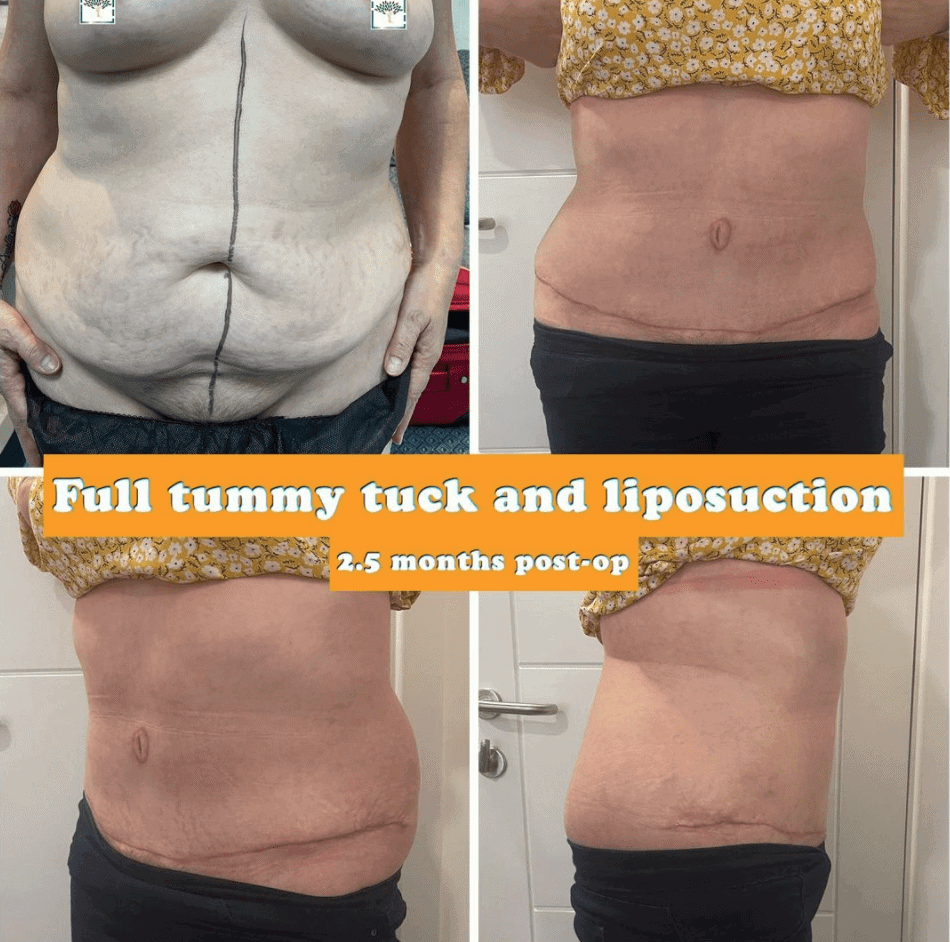
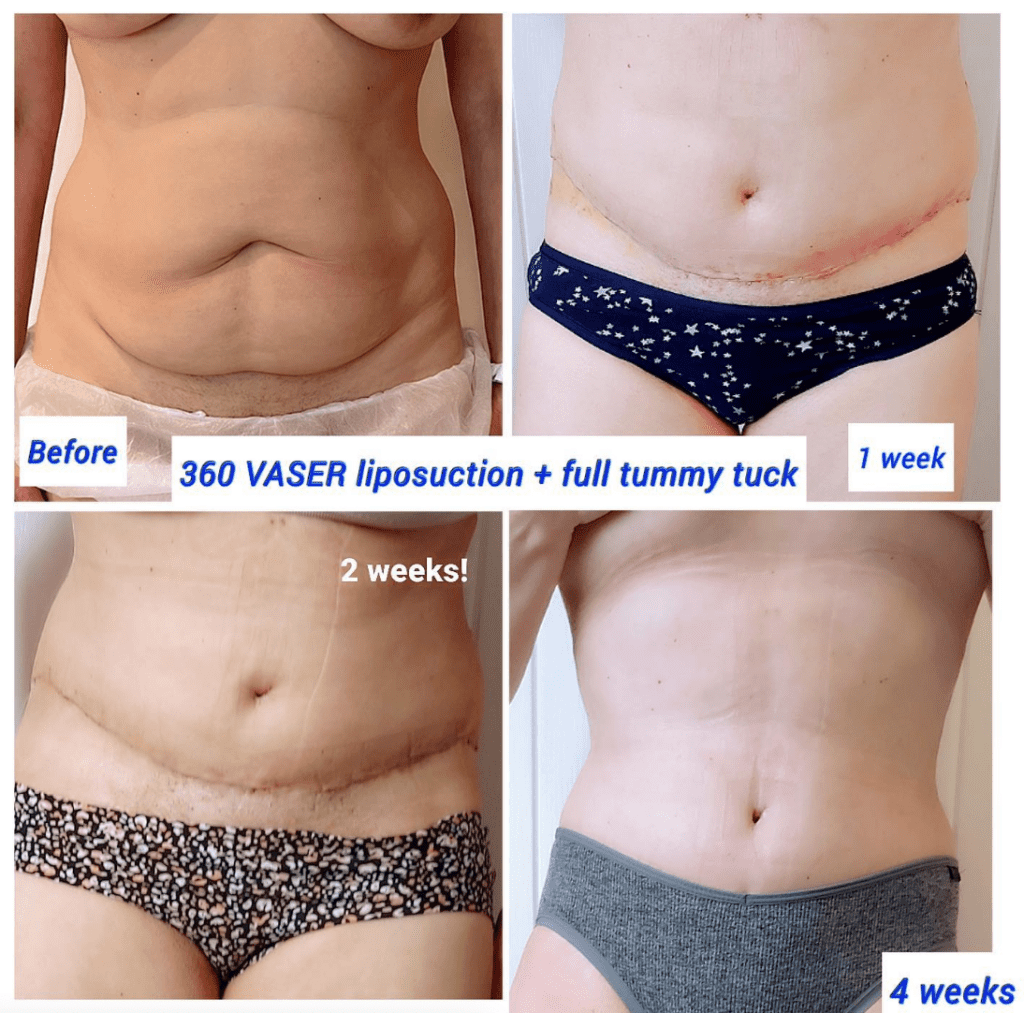
Full Tummy Tuck
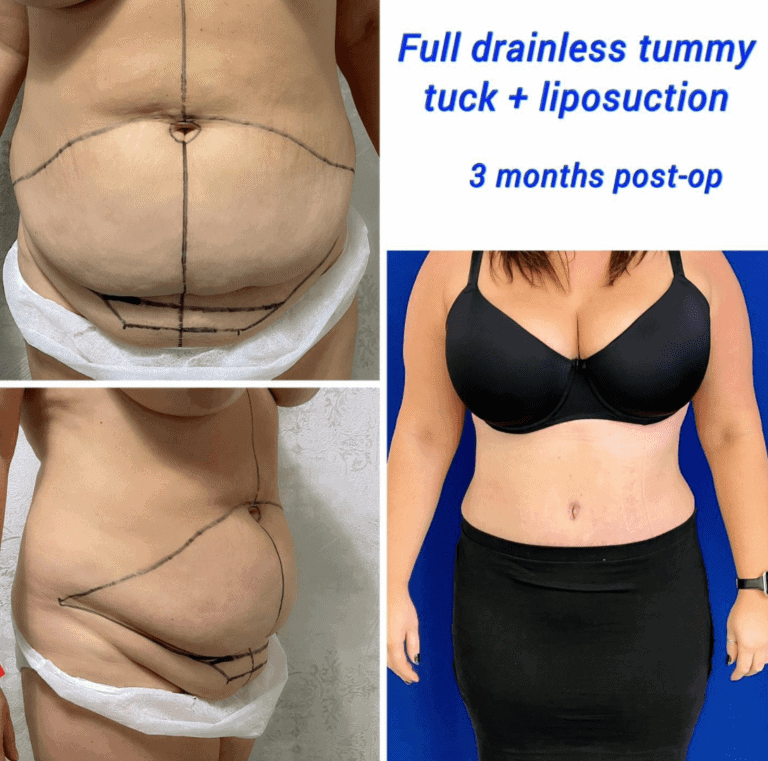
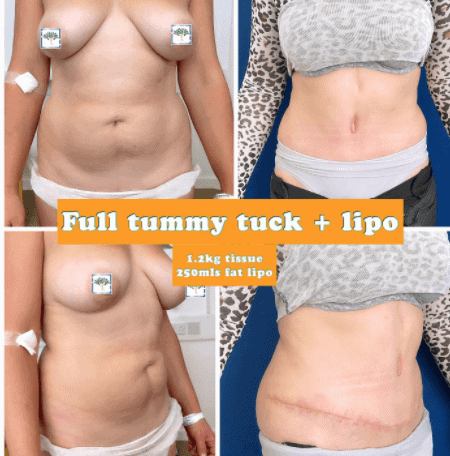
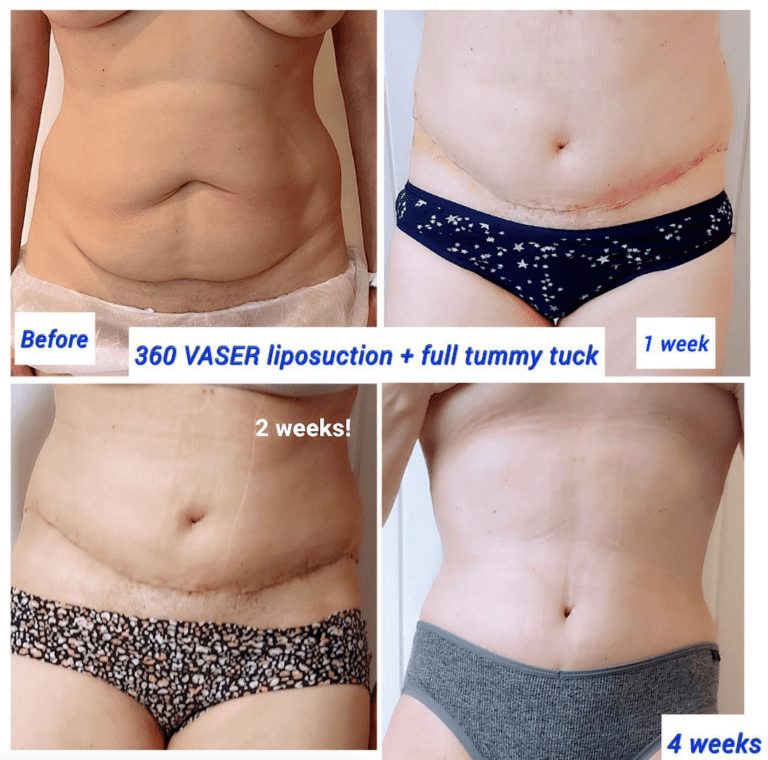
Full Tummy Tuck: A comprehensive procedure that removes excess skin, tightens abdominal muscles, and repositions the belly button for a natural look.
Mini Tummy Tuck
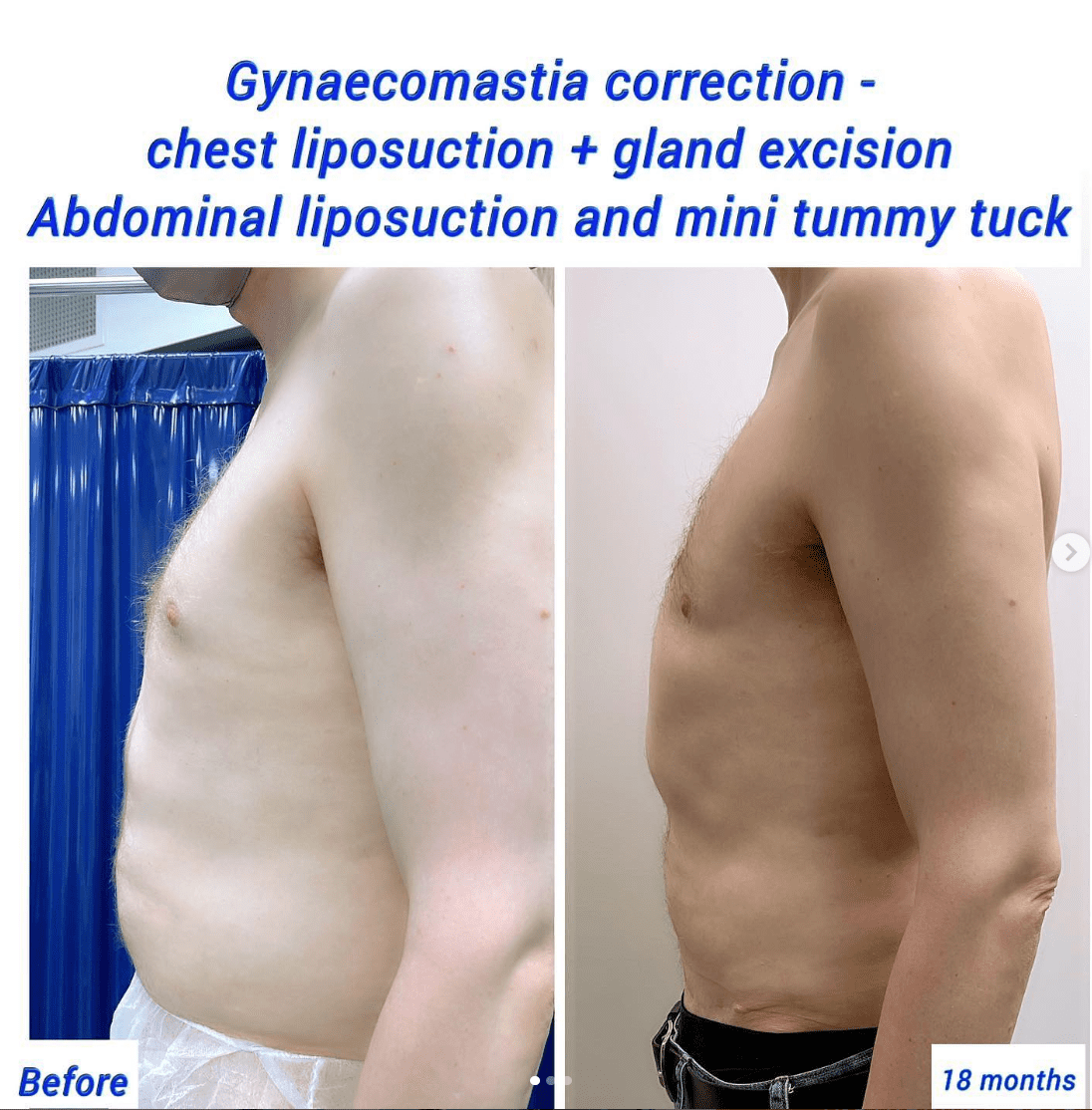
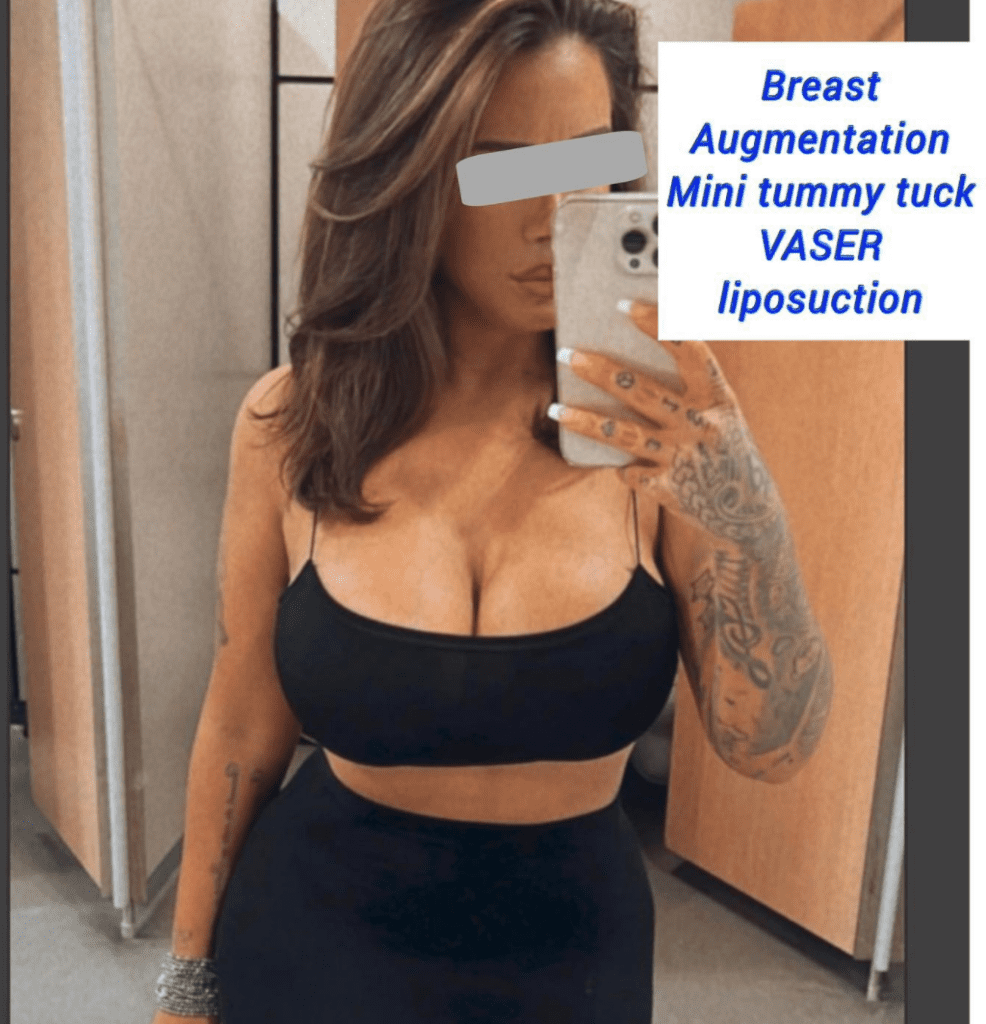
Mini Tummy Tuck: Targets excess fat and skin in the lower abdomen, typically using a shorter incision similar to a caesarean scar. Tightening abdominal muscles removes fat and skin and may include liposuction, leaving a small curved scar and potentially altering the shape of the belly button. Mini tummy tuck before-and-after results can still be significant, despite that the surgery is less extensive.
Drainless Tummy Tuck
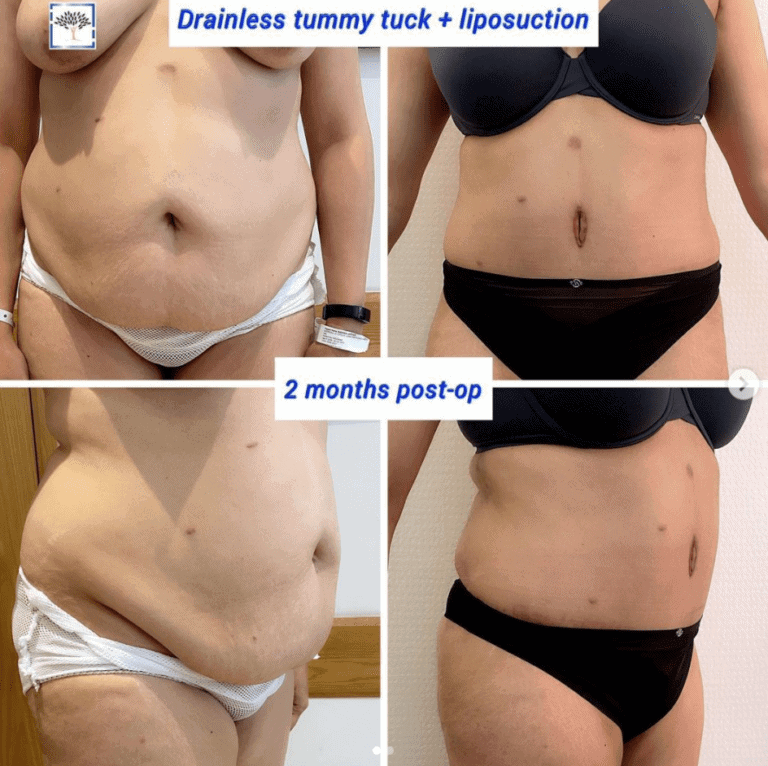
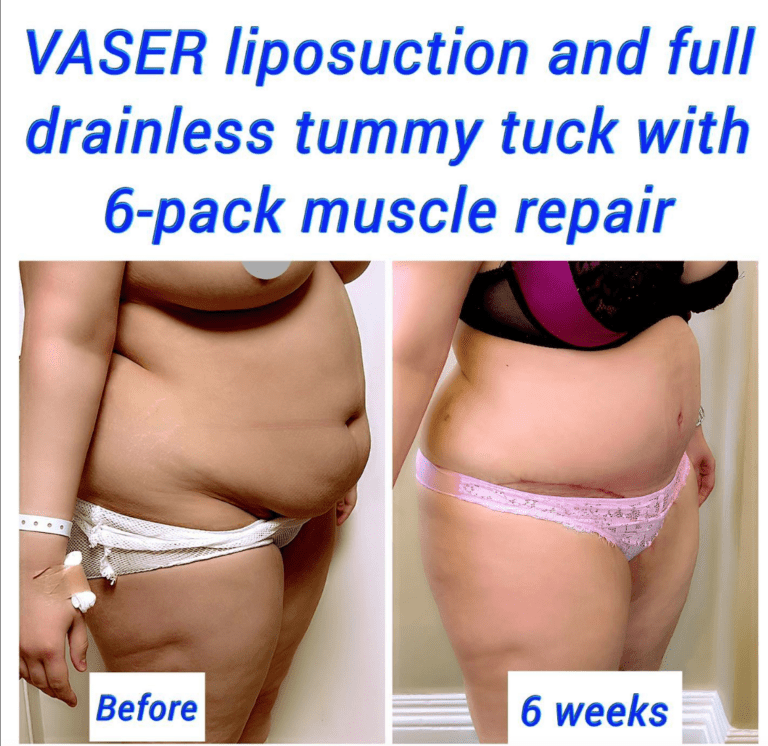
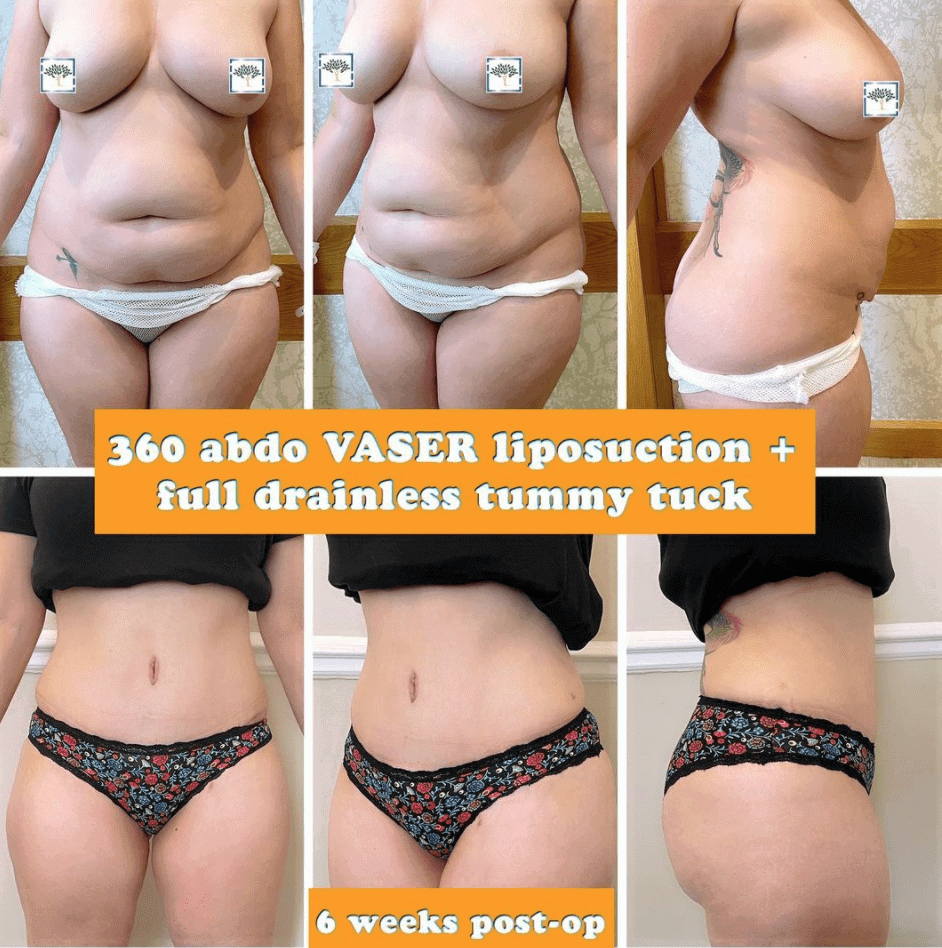
Drainless Tummy Tuck: Uses the same technique as a standard tummy tuck but with a different wound closure method. This approach eliminates the need for post-surgical drains, leading to a quicker, more comfortable recovery with reduced risk of complications.
Why Choose a Tummy Tuck?
Typically, the decision to undergo a tummy tuck is driven by a combination of aesthetic and functional motivations. Here are some compelling reasons why individuals might opt for an abdominoplasty procedure:
Enhanced Appearance: As a tummy tuck removes excess skin and fat, the abdomen becomes smoother and more toned, improving body confidence.
Improved Core Strength: By repairing separated abdominal muscles, the procedure can strengthen the core, which in turn might alleviate back pain and improve posture.
Post-Pregnancy Recovery: For recent mothers unhappy with the physical changes caused by pregnancy, such as stretched skin and muscle separation, a tummy tuck can resolve these.
Boosted Self-Esteem: If your self-image has been reduced by the appearance of your abdomen, a flatter stomach achieved through a tummy tuck might boost it.
Long-Lasting Results: So long as a healthy lifestyle is maintained, the benefits of a tummy tuck can endure for years, making it a worthwhile investment.
If you’re unhappy with the appearance of your abdomen, be it after significant weight loss or pregnancy, a tummy tuck might be the most effective option for finding your body confidence again.
If you’re excited by the prospect of tummy tuck surgery, contact us now to arrange a consultation.
Preparing for Your Tummy Tuck Surgery
For your tummy tuck surgery and recovery process to be successful, you must prepare properly. When you have the consultation with your surgeon, they will go through your medical history, discuss your goals, and outline the procedure in detail, which will include talking you through the best preparation practices. To optimise outcomes, you will likely be advised to:
Stop Smoking: It’s best to cease smoking at least 6 weeks before you undergo the procedure, as nicotine can have detrimental effects on healing, while also increasing complication risks.
Maintain a Stable Weight: Consistent results will be more likely if you maintain a stable weight for several months before the surgery.
Avoid Certain Medications: Refrain from taking aspirin, anti-inflammatory drugs, or herbal supplements that can increase the risk of bleeding.
Arrange for Support: Get someone to accompany you to and from the surgery, and make sure you have support with daily tasks during the first few days of recovery, as your mobility will be limited.
Prepare Your Home: Make sure you have a comfortable recovery area from which you can easily access necessities without excessive movement.
Make sure to book some time off work following your procedure, as the long-term benefits of it might be minimised if you don’t get enough rest. It’s a good idea to prepare some quick and healthy meals and put essential items in reachable locations. Set out some comfortable clothes to wear for the first several days.
If you have any concerns about preparing for surgery, speak to our specialists and they can talk you through it.
Recovery and Results from Tummy Tuck Surgery
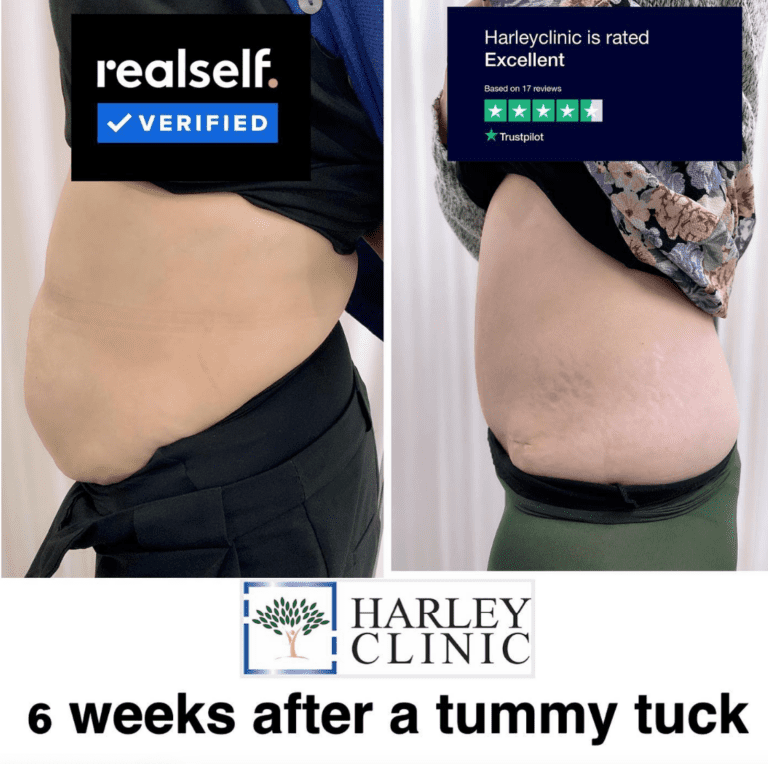
Though the tummy tuck recovery process can be frustrating as it requires patience and vigilant adherence to post-operative guidelines, it’s worth it. Typically, you can expect the recovery to last around 8 weeks, though significant progress will be visible within the first few weeks. Any swelling and discomfort you might get at the start will gradually settle, and you can help improve healing by wearing a compression garment for the first 6 weeks (this will also help contour the abdomen). A healthy diet and avoiding strenuous activity during your recovery will also help you achieve the results you want.
What to Expect Post-Surgery
Though the post-surgery process will generally be smooth and easy to navigate, there are a few things you should expect:
Some swelling and bruising around the incision.
Tightness due to muscle repair and skin removal, though this will ease.
Minor discomfort, but this can be managed with pain relief medication.
A follow-up visit after 1 week for a wound assessment.
If drains are used in your tummy tuck surgery, they are typically removed within 7-10 days, depending on fluid output.
The incision scar will fade over months to a year and can usually be hidden under clothing.
It’s best to avoid any strenuous exercise or heavy lifting for at least 4 weeks after your surgery to allow for the healing process to happen properly. As swelling and bruising go away over time, the final results will become more apparent, and you’ll gradually see a more refined and natural-looking abdomen.
Tummy Tuck FAQs
Can a tummy tuck help me lose weight?
Tummy tuck surgery is designed to contour the abdomen by removing excess skin and tightening muscles, rather than to help patients lose weight. It can certainly result in a slimmer, firmer appearance, but it’s best suited for individuals who are already at or near their ideal weight. To maintain the results of the surgery, it’s important to maintain a healthy diet (immediately post-surgery and onwards) and regular exercise (once you have recovered).
How painful is a tummy tuck?
During the first few days after your procedure, you should expect some discomfort, but any pain can be managed with prescribed medication. The muscle repair in the abdomen might also result in tightness, which patients often describe as similar to intense muscle soreness. Pain levels will gradually decrease over the first couple of weeks as the healing progresses.
Can I get pregnant after a tummy tuck?
Yes, your ability to get pregnant won’t be affected by your tummy tuck procedure, though it’s generally recommended to wait until you have completed your family before undergoing the procedure. Pregnancy can stretch the abdominal skin and muscles again, potentially reversing some of the results. If you are planning on having more children after your surgery, make sure to raise this with your surgeon and they can talk you through your options.
Who is not suitable for a tummy tuck?
The following patients may not be suitable for a tummy tuck:
Individuals with serious medical conditions, such as uncontrolled diabetes or heart disease.
Those planning on having more children as pregnancy can reverse the results of your procedure.
Those who are significantly overweight or looking for a weight loss solution.
If you are unsure whether you are a suitable candidate for a tummy tuck procedure, speak with our experts.
Will I have visible scars after a tummy tuck?
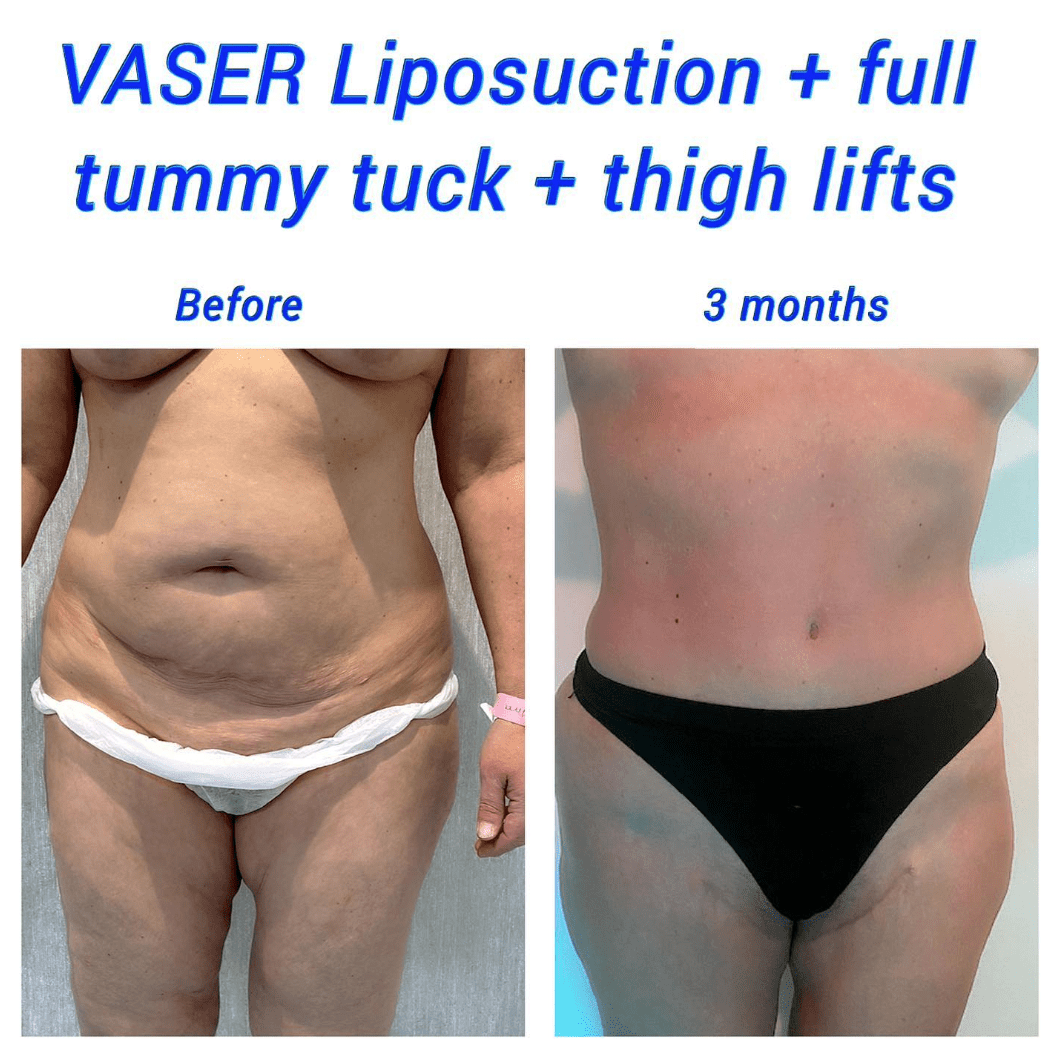
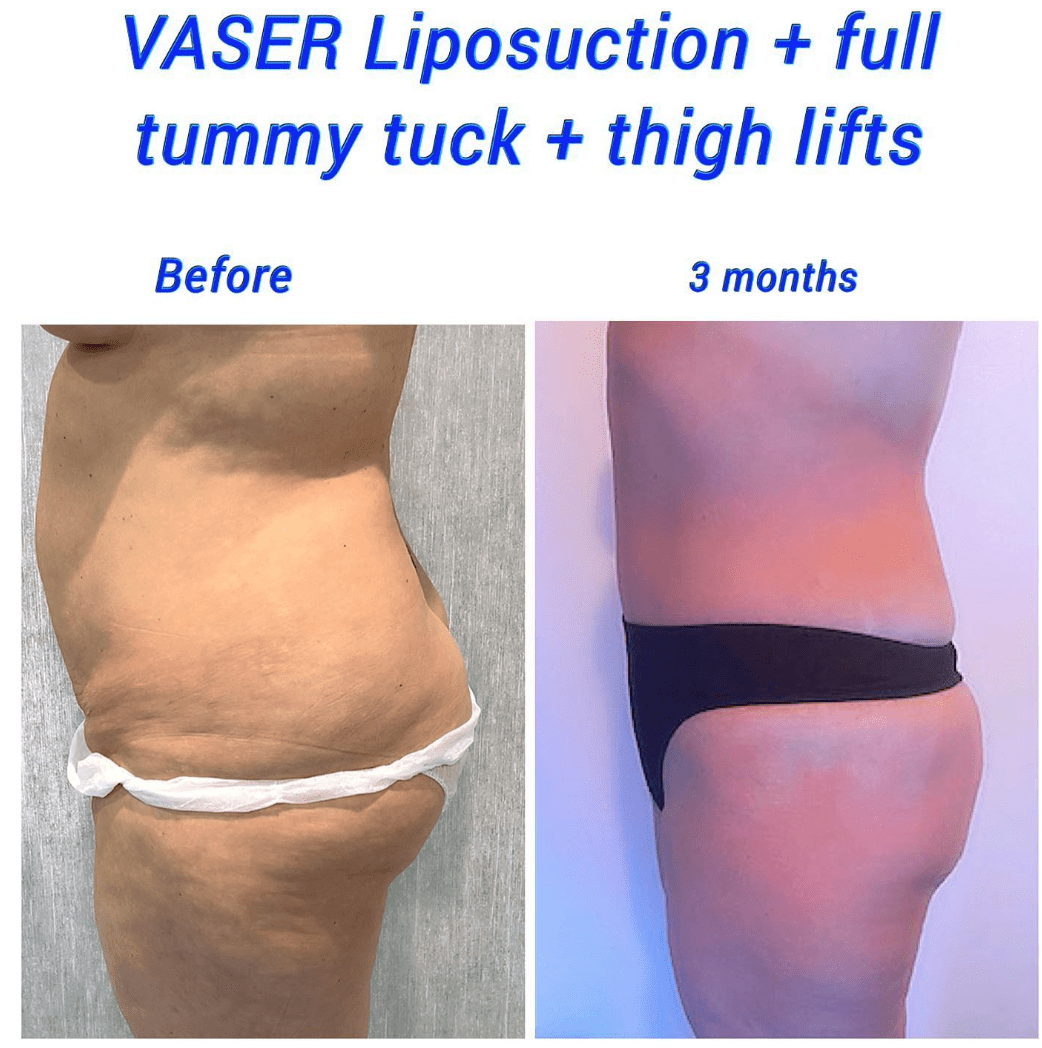
Yes, a tummy tuck does leave a scar, but it’s placed strategically low on the abdomen so that it can usually be hidden by underwear or swimwear. The scar will gradually fade and flatten over time, reducing its visibility, though this can be dependent on individual healing and postoperative care. Your surgeon may recommend that you apply silicone gel or other scar treatments to help minimise its visibility.
If you’re worried about scarring, see our scar treatment page for more help.
Can I get a tummy tuck and liposuction at the same time?
Yes, it’s common for tummy tuck surgery and liposuction to be combined to enhance body contouring by removing excess fat and tightening the abdominal muscles. Liposuction can target stubborn fat deposits in the flanks and upper abdomen that a tummy tuck might not address, so together they can provide more comprehensive and dramatic results. Your surgeon will assess whether you’re a good candidate for both.
How much does a tummy tuck cost in the UK?
The cost of a tummy tuck in the UK varies and is dependent on several factors, including but not limited to the type of procedure, the surgeon’s experience and expertise, and the location of the clinic. On average, prices range from £6,000 to £10,000, but this might not include additional fees like consultations, aftercare, and hospital costs. If you want to get a tummy tuck in London, it’s best to book a consultation to get a personalised quote based on your specific needs.
Tummy Tuck Patient Results and Reviews
Tummy Tuck
5 Videos
0:16
0:16
Tummy Tuck in a Mummy Makeover Before and After
Before and After Tummy Tuck at the Harley Clinic, London
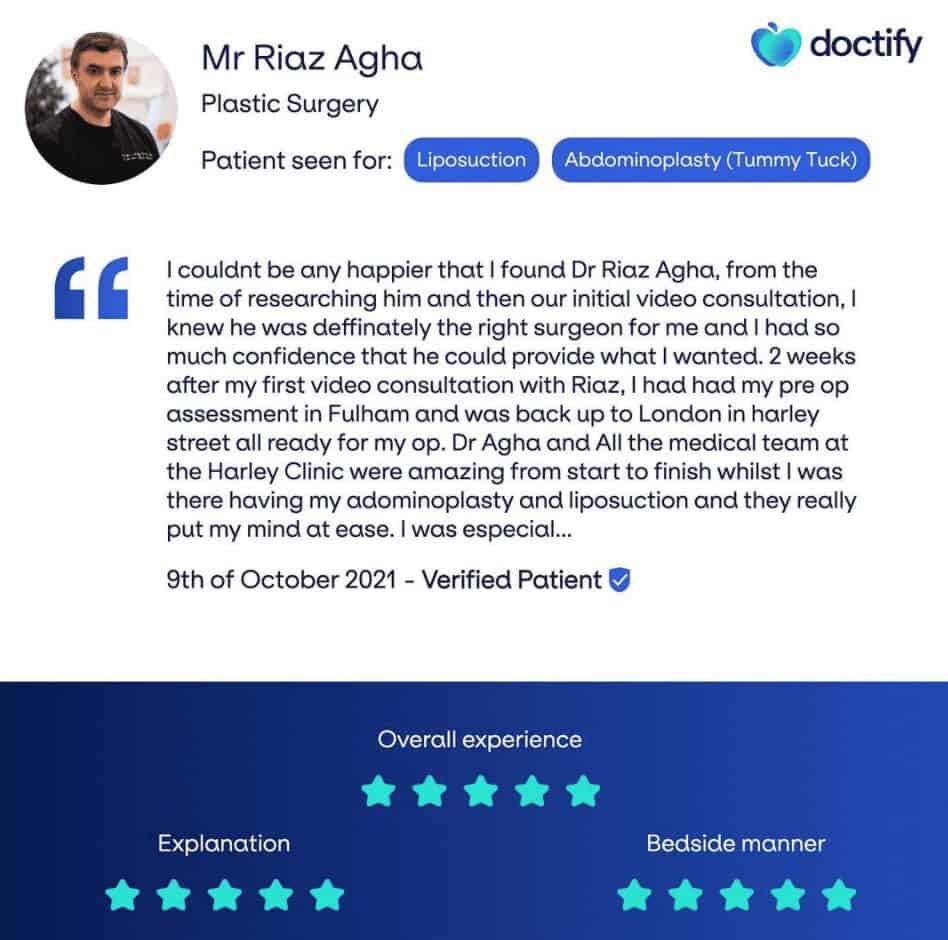
What Do Our Customers Say at the Harley Clinic, London