












Facial fat transfer, also known as autologous fat grafting, is a popular cosmetic procedure designed to restore youthful volume to the face.
By using your body’s own fat, this innovative treatment can address facial volume loss, wrinkles, and other signs of ageing.
Below, we answer the top six frequently asked questions at Harley Clinic in London about facial fat transfer to help you understand the process, benefits, and results.
1. What Does Facial Fat Transfer Treatment Involve?
Answer: Facial fat transfer is a cosmetic procedure where excess fat is harvested from one part of the body—typically the thighs, abdomen, or flanks—and injected into areas of the face to restore lost volume. Most fat grafting techniques involve three main steps:
Liposuction: Through small incisions, your own natural fat is gently removed from the donor area.

Purification: The fat cells are processed to remove impurities and prepare them for injection.
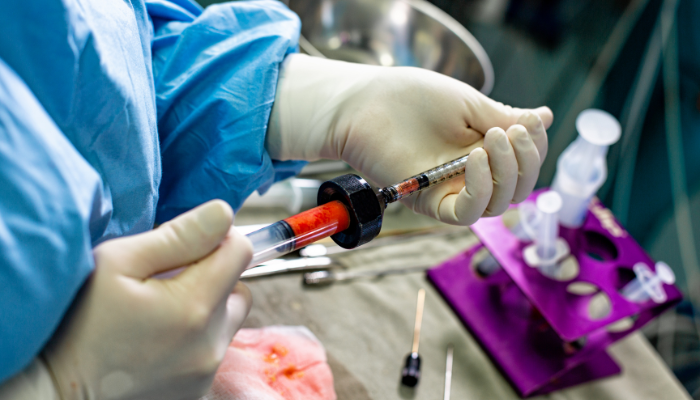
Fat Injection : The purified fat is strategically placed into areas like the cheeks, lips, and under-eye hollows to enhance facial contours and volume.

This natural approach uses your body’s own fat cells, reducing the risk of allergic reactions and offering long-lasting results.
2. Who is a Suitable Candidate for Face Fat Transfer Procedure ?
Answer: Ideal candidates for a facial fat transfer are individuals who:
- Experience facial volume loss due to ageing or weight fluctuations.
- Have good overall skin quality and sufficient fat deposits in donor areas.
- Want a natural alternative to dermal fillers or invasive treatments.
- Are in good health and have realistic expectations about the results.
This treatment is particularly effective for addressing wrinkles, sunken cheeks, and nose-to-mouth lines. Your consultant plastic surgeon will assess your unique goals and determine if this procedure suits your needs.
3. What Are the Benefits of Facial Fat Grafting Surgery?
Answer: Facial fat grafting offers numerous advantages, including:
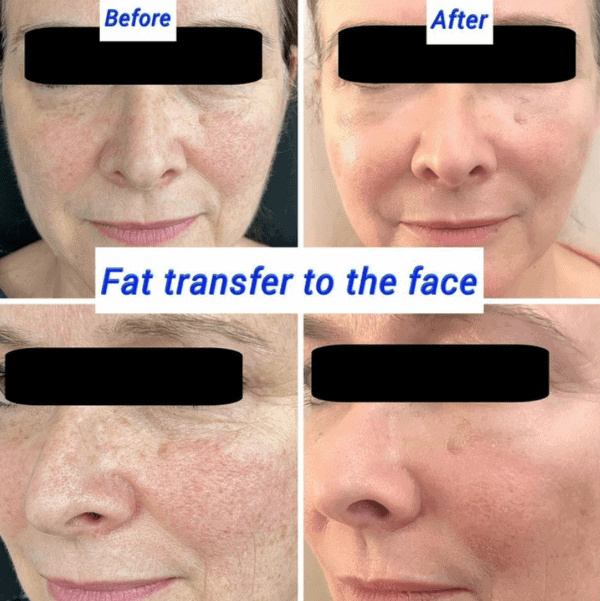
- Natural Results: The use of your body’s fat ensures a seamless blend with your facial features.
- Long-Lasting Effects: Unlike synthetic fillers, fat transfer results can last for years with proper care.
- Dual Benefits: In addition to enhancing facial contours, the liposuction process removes unwanted fat from areas like the abdomen or thighs.
- Customisable Treatment: Surgeons can precisely target specific areas, such as the cheeks, lips, or chin, to achieve optimal results.
- Can Be Combined with Other Procedures: Fat transfer surgery can enhance surgical procedures such as eyelid surgery (blepharoplasty).
- Minimal Risk of Rejection: Since your body’s own fat is used, the risk of allergic reactions or complications is significantly reduced.
4. What Does Recovery Involve?
Answer: Recovery from a facial fat transfer procedure typically involves:
- Initial Swelling and Bruising: Common in both the donor and treatment areas, these side effects usually subside within two weeks.
- Downtime: Most patients can return to light activities within a week, but strenuous exercise should be avoided for about four weeks.
- Results Timeline: While some results are visible immediately, it can take up to six months for the final outcome as the transferred fat integrates with the facial tissues.
- Operative Care: Following post-operative instructions, such as keeping the treated areas clean and avoiding pressure on the face, ensures a smooth recovery.
5. How Much Fat Is Needed, and What Are the Results?
Answer: The amount of fat needed depends on the facial areas being treated and the desired volume. Typically, a small volume of fat is sufficient for facial procedures. Surgeons carefully calculate the amount to achieve natural and balanced results.
Patients can expect:
- Enhanced Facial Contours: Fuller cheeks, smoother wrinkles, and plumper lips.
- Improved Skin Texture: Fat transfer can improve skin quality by stimulating collagen production.
- Long-Term Results: A significant percentage of the transferred fat survives, providing lasting enhancement.
By combining this procedure with other treatments, such facelift surgery, patients can achieve comprehensive facial rejuvenation.
6. Which Areas Can Be Treated?
Answer: Facial fat transfer is a versatile procedure that can address multiple areas of facial ageing, including:
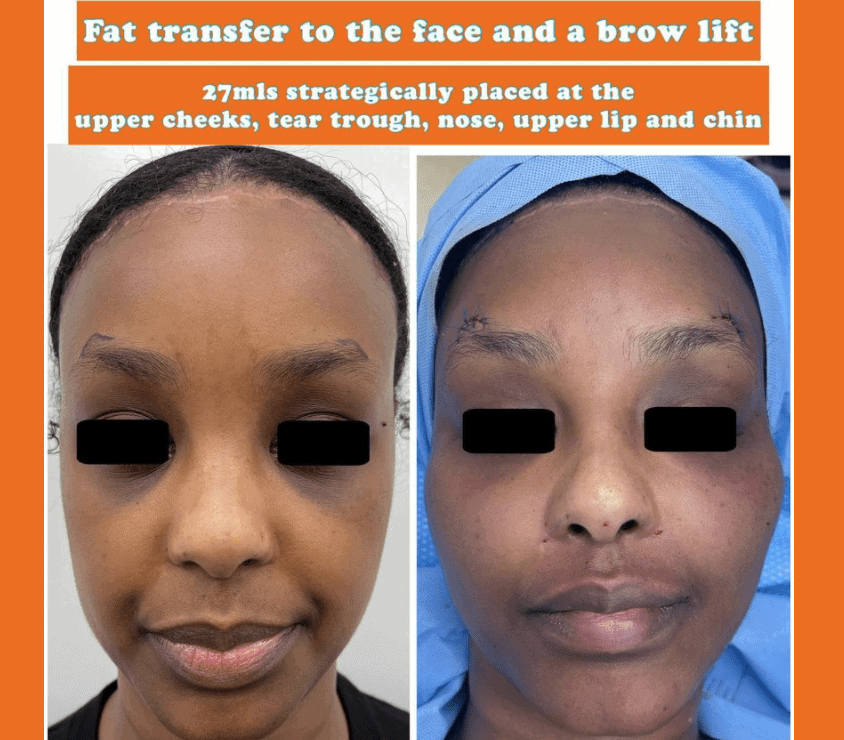
- Cheeks: Fat tissue can restore volume and reduce the appearance of sunken cheeks.
- Under-Eye Hollows: Fill in hollows and minimise dark circles.
- Lips: Enhance volume and definition for a fuller look.
- Chin augmentation : Improve chin projection and contour.
- Temples and Forehead: Add volume to hollow temples, often caused by ageing.
- Nose-to-Mouth Lines: Reduce the appearance of deep folds around the mouth.
This comprehensive approach allows for natural and harmonious facial rejuvenation tailored to individual needs.
