











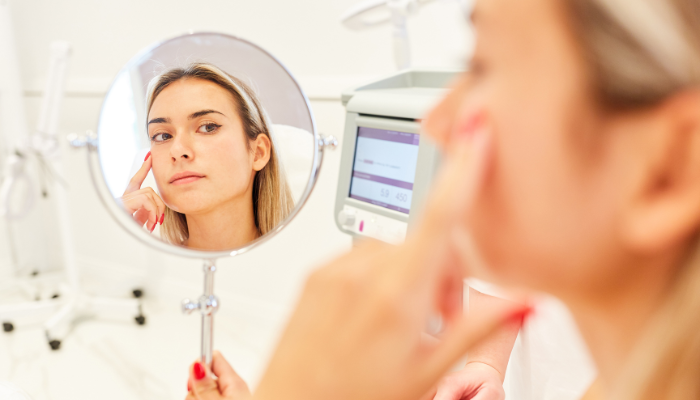
Many women and men seek facelift surgery to refresh their appearance and tackle signs of ageing. But can a facelift also reverse sun damage on face?
Sun damage manifests in various ways—wrinkles, skin sagging, age spots, and uneven skin texture. While a facelift can address some of these issues, other types of damage require specific treatments for optimal results.
This blog will discuss what a facelift can achieve, and what it cannot in terms of improving the appearance of sun damaged skin.
Which Symptoms of Ageing Does a Facelift Treat?
Sagging Skin and Loss of Firmness from Sun Exposure
Facelift surgery is highly effective for improving sagging skin and loss of skin tone, which can be worsened by prolonged sun exposure or ultraviolet radiation from tanning beds.

The procedure lifts and tightens areas of skin affected by gravity and ageing, which can give your face a more youthful and defined look.
While a facelift addresses skin laxity caused by both age and UV exposure, it doesn’t fully correct sun damage to face such as dry skin, or pigmentation like dark spots, sun spots and melasma .
What Facelift Surgery Can’t Treat
Skin Texture, Pigmentation Like Age Spots and Fine Lines
A facelift won’t directly improve skin texture, fine lines, or hyperpigmentation. These symptoms of sun damage on face—like age spots, liver spots, and pigmentation changes—result from unprotected sun exposure. Specifically, these are UV rays affecting melanin production in the skin.
Similarly, symptoms such as freckles, actinic keratoses, and thread veins are linked to overexposure to UV rays, leading to uneven skin tone and areas of skin with discolouration.
Facelift surgery does not resurface the skin or target fine lines; instead, it focuses on lifting and repositioning tissue. For sun damage symptoms like uneven skin texture, skin tone, and fine lines, skin resurfacing treatments are more effective.
Seek Dermatologist If You Suspect Squamous Cell Carcinoma, Basal Cell Carcinoma or Melanoma
Furthermore, if you suspect you may have signs of skin cancer, such as basal cell carcinoma or malignant melanoma, we encourage you to first seek a consultation with someone in the field of dermatology. They will be able rule out or diagnose your type of skin cancer, and the necessary steps for treatment.
Non-Surgical Results and Treatments for Sun Damage
Chemical Peels: Exfoliate Damaged Skin Layers
Chemical peels are an effective treatment for excessive sun exposure on the face, targeting uneven skin texture, pigmentation, and age spots.
During a peel, a special solution is applied to the skin to exfoliate the outer layers, which encourages the shedding of skin cells damaged by UV radiation.
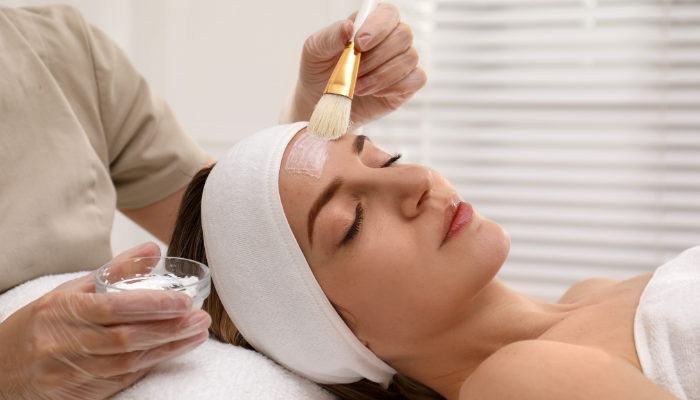
This process helps to reduce the appearance of liver spots, freckles, and sun-induced pigmentation. By removing these outer layers, chemical peels reveal fresher, more even skin underneath, creating a brighter and more rejuvenated look.
Microneedling: Boost Collagen and Skin Repair
Microneedling is another treatment that can significantly improve the appearance of sun-damaged skin. This minimally invasive procedure involves the use of tiny needles to create controlled micro-injuries in the skin.
These micro-injuries stimulate collagen production and promote skin healing, addressing fine lines, wrinkles, scars and even loss of skin tone.

Microneedling can also improve skin texture, making it an excellent option for patients with rough or uneven areas of skin due to sunburn or prolonged sun exposure.
Medical-Grade Skincare: Daily Protection and Repair
For ongoing treatment and prevention of further damage, ZO medical-grade skincare is essential because these products are formulated with high concentrations of active ingredients.
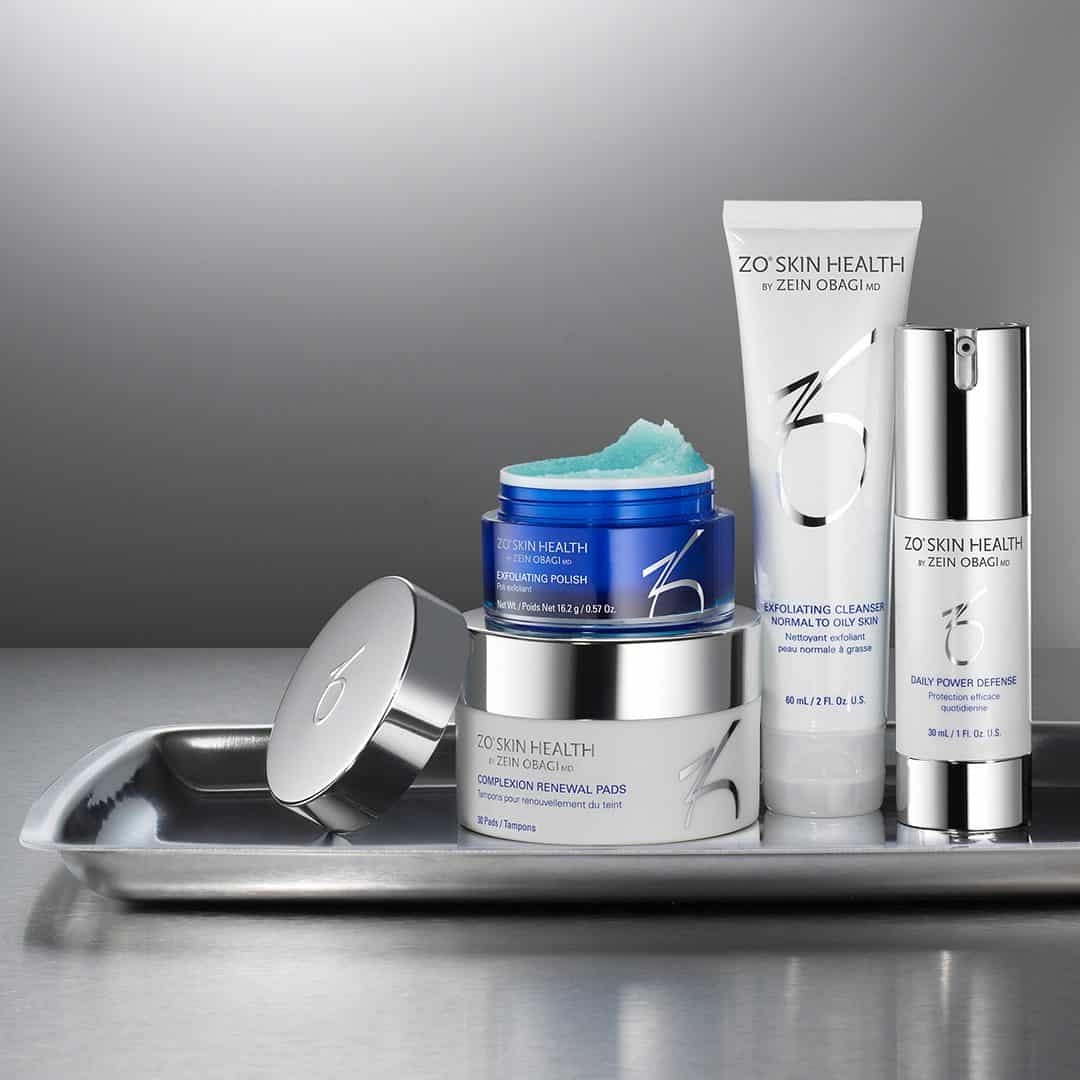
Topical creams and serums contain proven compounds like retinoids, antioxidants, and peptides, which work to repair damaged skin cells, reduce pigmentation, and even out skin tone. Medical-grade skincare can also be tailored to your skin’s specific needs and is more effective than over-the-counter options.
Furthermore, using products like antioxidant a serum and full spectrum sunscreen can help protect your skin from UV rays, minimising the side effects from sun exposure and preserving the results of in-office treatments.
Sun Protection Factor Matters Post-Surgery
Defending Your Skin from Further Damage
After a facelift or any other skin treatment, it’s crucial to protect your skin from additional sun damage. Exposure to sunlight without protection can lead to new pigmentation issues, skin texture irregularities, and even the risk of skin cancer.
Make sure to keep applying sunscreen, wearing protective clothing, and limiting direct sunlight exposure. These are essential steps to prevent skin damage such as actinic keratosis or some form of skin cancer.
Sun protection creams, as well as other skin care products designed to protect and nourish the skin, play a key role in maintaining results after a facelift and reducing the risk of additional sun-related skin conditions.
What to Expect from a Consultation
Discussing Your Skin Needs and Treatment Plan
When considering facelift surgery to address signs of sun damage, booking a consultation at Harley Clinic allows you to discuss your skin needs with one of our professionals. In this initial session, you can explore treatment options tailored to your concerns, from facelift surgery to treatments like chemical peels, microneedling or skincare.
