











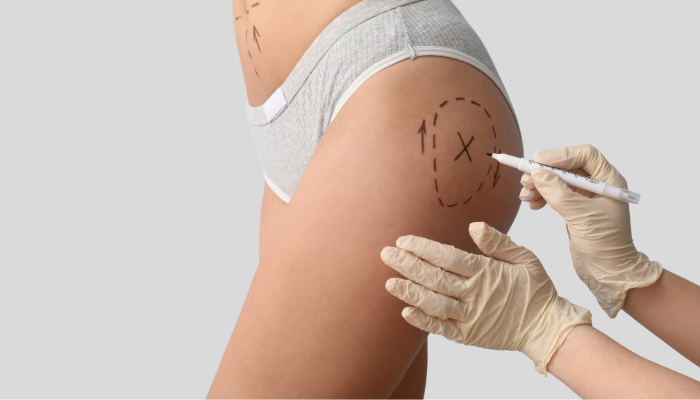
Hip dips, sometimes referred to as violin hips, are inward curves located just below the hip bone. For many, these natural contours are a normal part of their bone structure.
Some individuals, however, may feel self-conscious about the appearance of hip dips and seek treatments such as fat transfer or fat grafting hip augmentation to smooth the curves and create a more contoured silhouette.
This blog will delve into the hips dips and fat transfer, the benefits, and recovery process – information that is crucial before making a decision.
Appearance of Hip Dips Explained
Hip dips occur due to the natural structure of the pelvis and surrounding muscles. While exercises like squats and other muscle-building workouts can enhance the surrounding areas, they may not fully eliminate hip dips.

This is where cosmetic surgery, particularly fat grafting or fat transfer surgery, is a great option if you’re seeking a more dramatic transformation in the buttocks and hips area.
The Details: Fat Transfer Hip Dip Surgery
Hip dip surgery is a type of fat transfer procedure that uses your body’s own fat to fill out the indented areas around the hips. The procedure involves liposuction to harvest fat from areas like the stomach, thighs, or inner thighs.
This fat is then purified and carefully injected into the hip area to create smoother contours. Unlike implants, which are also an option for hip augmentation, fat grafting uses your own tissue, reducing the risk of rejection or complications.
Brazilian Butt Lift (BBL) vs. Hip Dip Surgery
While a Brazilian butt lift (BBL) also uses fat transfer, it primarily focuses on enhancing the buttocks rather than addressing the prominence of hip dips specifically.
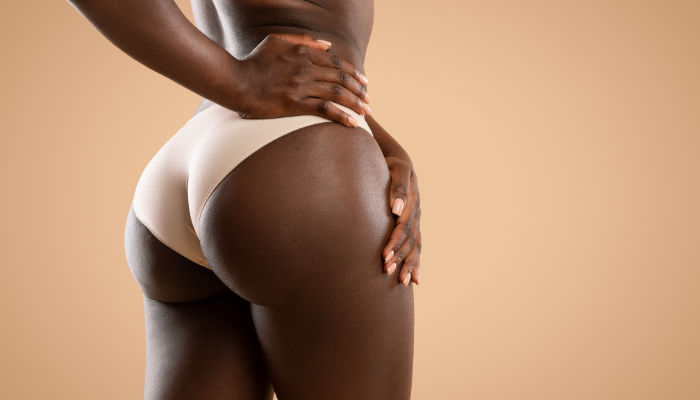
The two procedures can be combined, however, for a comprehensive body contouring result. During your consultation at Harley Clinic, your cosmetic surgeon will help you determine whether a standalone hip dip surgery or a combination with a BBL is the best approach for your goals.
The Benefits and Results of Hip Dip Surgery
The benefits of addressing noticeable hip dips with fat transfer are both physical and psychological. Patients often enjoy a smoother, more proportionate body contour that enhances their overall appearance.
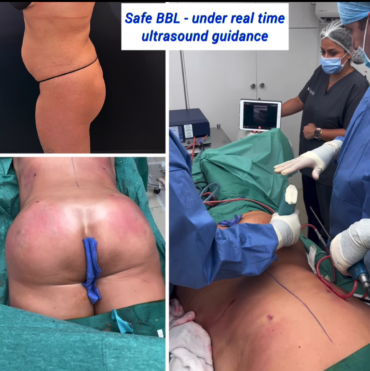
This can improve confidence and make clothing fit better. Additional benefits include the use of unwanted fat from other areas of the body, such as the outer thighs or stomach, to enhance the hips.
The Procedure and Recovery Process
The fat grafting procedure is performed under anaesthesia and typically lasts a few hours. After the fat is transferred, patients may experience some swelling, bruising, or discomfort around the treated areas.
Fat transfer recovery from hip dip surgery usually takes a few weeks, during which patients should follow their surgeon’s aftercare instructions closely. Most individuals can return to light activities within a week and resume full activities within four to six weeks.
Fat Grafting Augmentation Risks and Complications to Consider
Like any surgical procedure, hip dip surgery carries risks such as infection, fat absorption, or asymmetry. Additionally, complications like scar tissue or uneven results may require revision.
Choose a skilled and reputable plastic surgeon with experience in fat transfer techniques can greatly minimise these risks.
In Clinic Consultation and Next Steps
In summary, before deciding on hip dip surgery, schedule an appointment at a specialised cosmetic surgery clinic. Your surgeon will assess your suitability for the procedure, discuss the expected results, and explain the process in detail. This ensures you have all the information needed to make an informed decision.
