











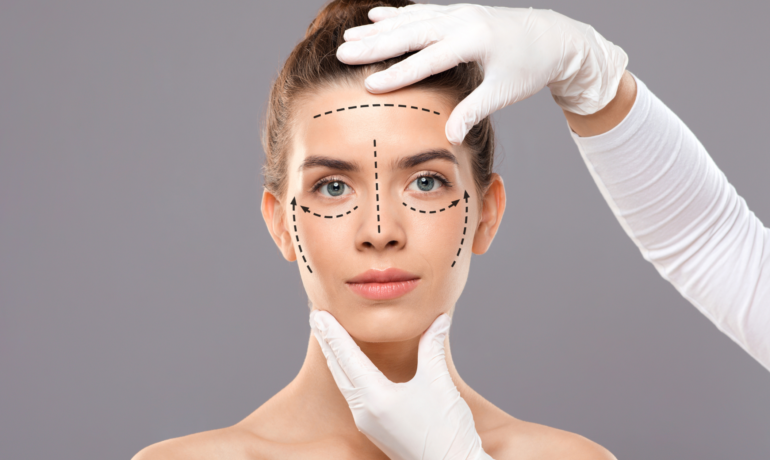
The benefits of facelift are numerous. In fact, it has become a highly sought after cosmetic surgery procedure here in London, UK.
Whether you’re interested in a traditional facelift, deep plane facelift, or mini facelift, the goal is always the same—achieving a youthful look with lasting results.
Below we’ll provide information about facelift surgery, and how you can maintain its effect for years to come with proper attention to recovery, aftercare, and lifestyle choices.
The Facelift Procedure: A Breakdown
Facelift surgery, known medically as rhytidectomy, is designed to lift and tighten the facial tissue, addressing volume loss, skin laxity, and deep creases.
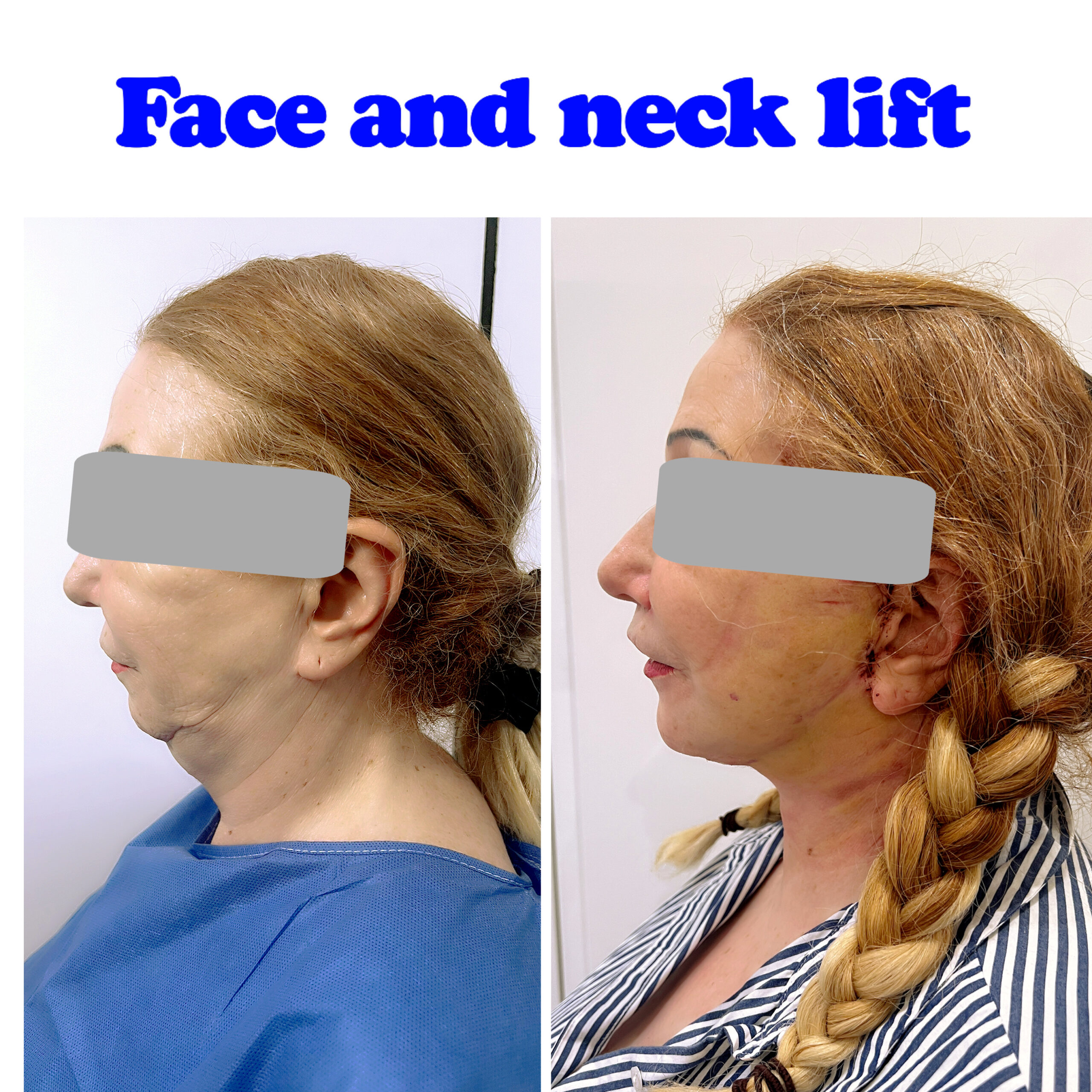
A traditional facelift typically involves making discreet incisions around the hairline, allowing the plastic surgeon to lift and reposition layers of tissue and muscle to improve facial contours.
This process helps to restore facial definition, particularly in areas like the cheekbones and jawline.
Understanding Different Rhytidectomy Techniques
There are various facelift techniques available, each tailored to specific needs.
Deep Plane Facelift
This technique focuses on repositioning the deep tissue and muscle to provide a more natural and long-lasting result.
SMAS facelift
SMAS or Superficial Musculo-Aponeurotic System targets the facial muscles to address sagging and wrinkles.
Mini Facelift
This type of surgery is best for patients seeking a less invasive option, focusing on lifting the lower face and neck.
Ensuring a Smooth Facelift Recovery
Facelift recovery is a crucial phase in the journey to achieving your desired youthful appearance. Following the facelift surgery, your London clinic will provide a detailed recovery plan.
This plan includes managing risks and complications, such as swelling, scarring, or poor healing. Keep in mind that the recovery time can vary depending on the extent of the surgery, with most patients resuming normal activities within a few weeks.
The Role of Fat Transfer
In some cases, fat transfers may be recommended to complement the facelift procedure and restore your own facial fat.
Fat transfer involves harvesting fat from another part of the body and injecting it into areas of the face that have lost volume, such as the cheeks or nasolabial folds.
Complementary Procedures for Enhanced Results
Combining a facelift with other procedures can significantly enhance the overall results. A brow lift or neck lift, for example, can help create a more balanced and harmonious appearance.
Liposuction may also be performed to remove excess fat deposits, particularly in the face and neck area. These complementary procedures ensure that the youthful look achieved through the facelift is maintained for a longer period.
Tailoring the Surgical Plan
Every facelift procedure is unique and requires a surgical plan tailored to your needs and cosmetic goals.
During your facelift consultation at Harley Clinic, your plastic surgeon will assess factors such as facial bone structure, muscle tone, and skin elasticity.
This assessment will help to determine the most appropriate facelift technique, whether it’s a full facelift, deep plane facelift, or mini facelift.
Long-Term Care: Maintaining Your Youthful Look
Aftercare doesn’t end once you’ve left the clinic. Long-term care is essential for preserving the results of your facelift.
Regular follow-up appointments with your cosmetic surgeon will ensure that any possible complications are addressed promptly.
It’s also vital to maintain a healthy lifestyle, including a balanced diet and adequate hydration, to support the skin’s elasticity and overall health.
Protecting Your Investment with Proper Skin Care
Skincare is a critical component of maintaining facelift results. Using high-quality skincare products and protecting your skin from sun exposure can help prevent premature ageing and preserve the facelift’s effects.
Your plastic surgeon may also recommend specific treatments, such as chemical peels or laser therapy, to keep your skin and facial appearance looking its best.
The Role of Non-Surgical Treatments
In addition to plastic surgery, minimally-invasive cosmetic procedures like anti-wrinkle injections and dermal fillers can play a role in maintaining the results of your facelift.
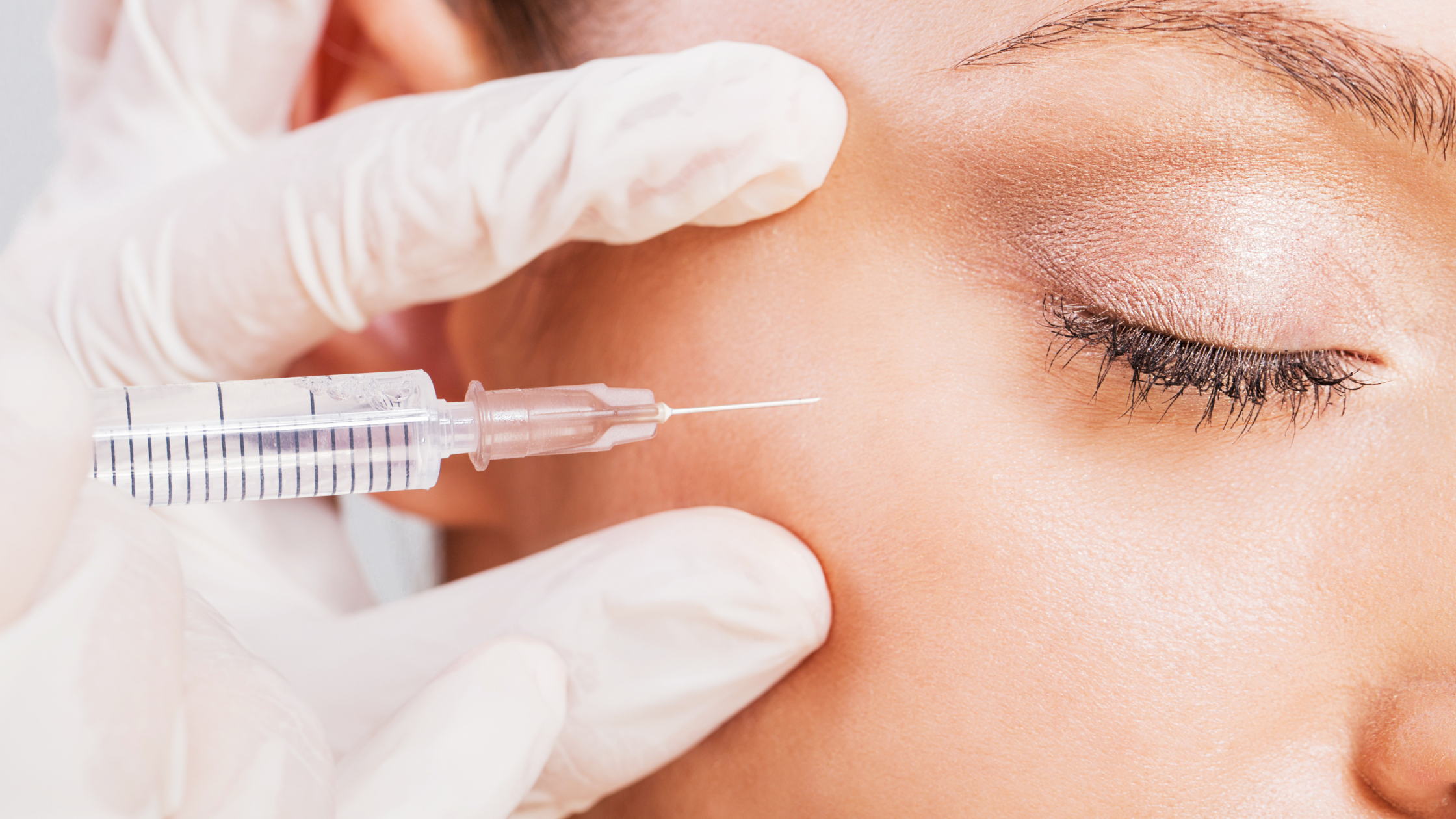
These treatments help to smooth out fine lines and wrinkles, keeping your face looking fresh and youthful. Regular maintenance treatments can extend the life of your facelift, delaying the need for additional surgery.
Consultation and Ongoing Care
A successful facelift starts with a thorough consultation. During this time, your plastic surgeon will discuss your cosmetic goals, evaluate your facial structure, and recommend the best approach to achieve your desired results.
After surgery, ongoing care, including regular check-ups and touch-up treatments, is essential for maintaining the long-term benefits of your facelift.
Why Choose Harley Clinic for Your Facelift?
Choosing a reputable London clinic for your facelift ensures you receive the highest standard of care. Our experienced plastic surgeons, state-of-the-art facilities, and a commitment to patient satisfaction are just some of the reasons why many choose to undergo your facelift surgery in our facility.
In summary, a facelift offers the promise of a rejuvenated, youthful appearance. Maintaining those results, however, requires ongoing care and attention. By following your plastic surgeon’s advice, embracing a healthy lifestyle, and considering complementary procedures, you can enjoy the benefits of your facelift for many years to come.
