












A facelift, known medically as rhytidectomy, is more than just a cosmetic procedure. So, if you are considering a full facelift or even a mini, you may be interested to know that it has benefits beyond physical appearance. It can also boost your confidence and psychological well-being.
In this blog, we’ll explore the different types of facelift surgery, their benefits, and how they can improve your quality of life.
What is Rhytidectomy or Facelift Surgery?
Facelift surgery encompasses various procedures aimed at addressing wrinkles and excess skin on the face and neck, as well as tightening loose skin and underlying tissues.

These procedures include the traditional facelift, deep plane facelift, mini facelift, and SMAS facelift. Performed under general anaesthesia, each type of facelift surgery has its unique advantages and targets different areas of the face.
Traditional Facelift:
This comprehensive plastic surgery procedure addresses the entire face and neck, providing significant rejuvenation.
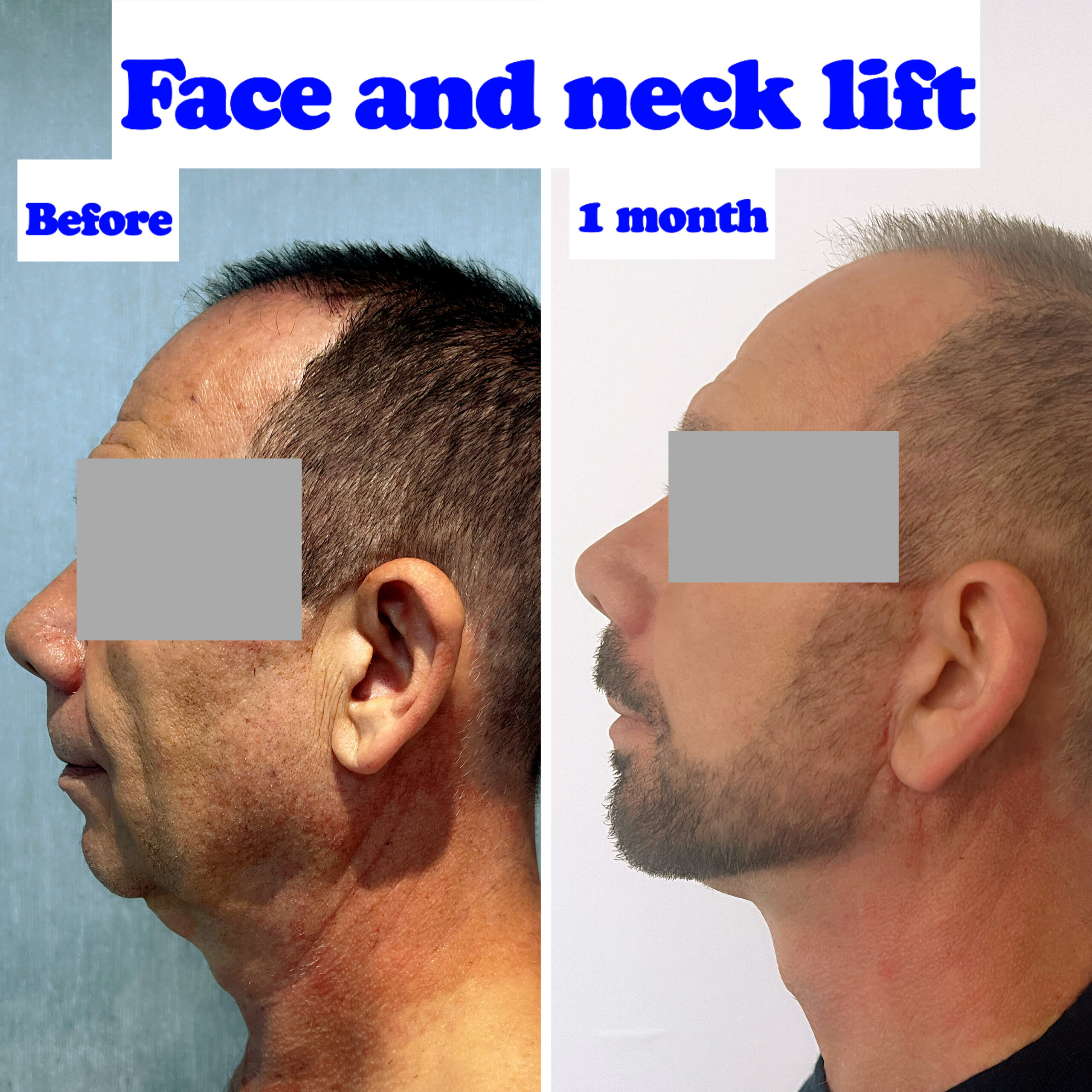
It involves making incisions along the hairline and around the ears, allowing the surgeon to lift and tighten facial skin and deeper tissues.
SMAS Facelift:
This procedure lifts the superficial musculoaponeurotic system (SMAS) layer, resulting in a natural and youthful look by repositioning the deeper tissues and muscles.
Deep Plane Facelift:
This advanced facelift technique targets the deeper layers of facial muscles and tissues, offering longer-lasting results and a more natural appearance.
Mini Facelift:
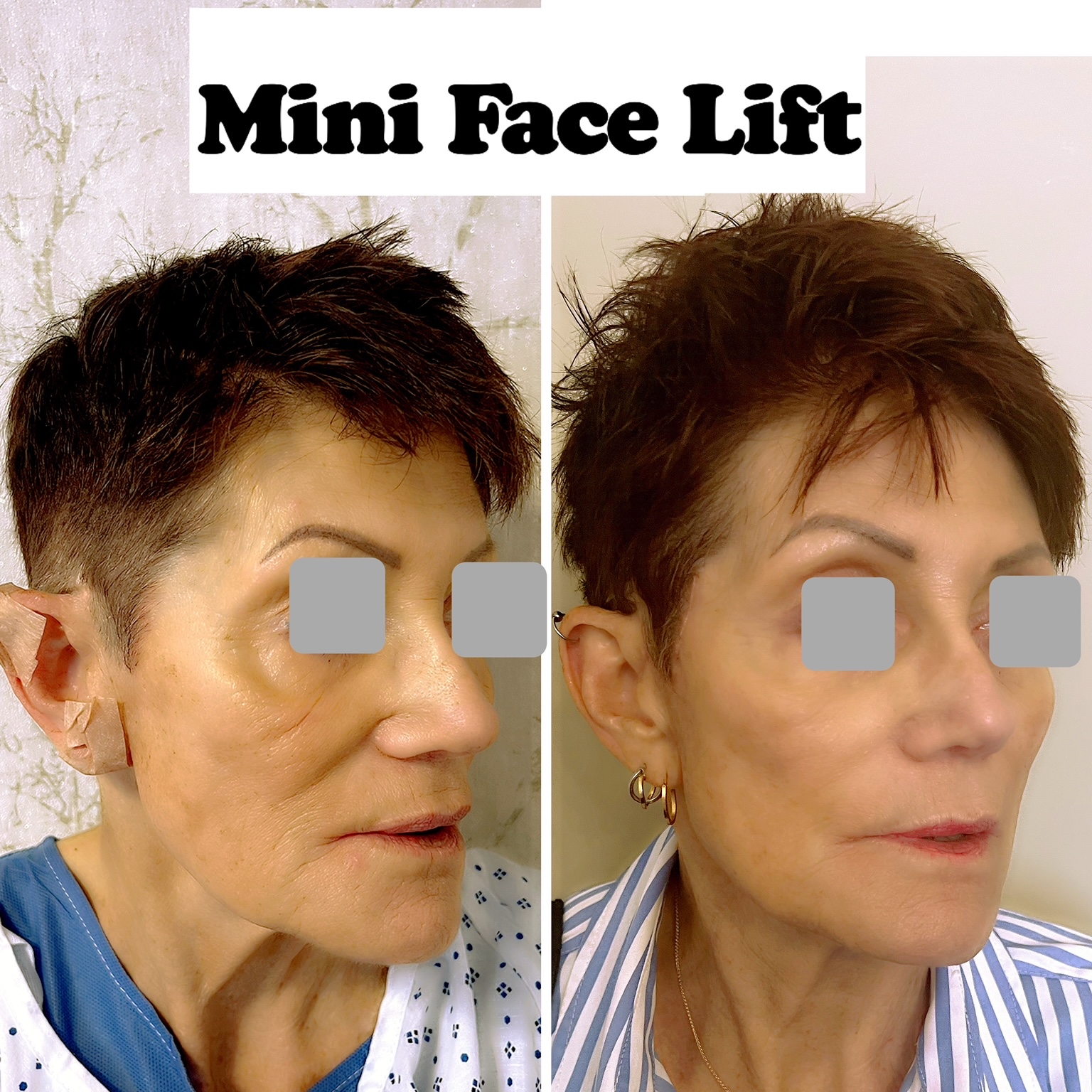
This surgical procedure is ideal for those with early signs of aging. The mini facelift focuses on the lower face and neck with smaller incisions and a shorter recovery period.
Other Procedures:
With any of the above facelift procedures, your surgeon may recommend complementary surgeries, such as a neck lift, brow lift, fat transfer, liposuction and others for more natural results.

Keep in mind that aging in an ongoing process and you may need to maintain the results of your surgery with dermal fillers or neuromodulators to smooth wrinkles caused by facial expressions.
The Unexpected Psychological Benefits
While many patients seek facelift surgery primarily for its physical benefits, the procedure also offers substantial psychological advantages. Here’s how facelifts can enhance mental well-being:
Enhanced Confidence:
Post-surgery, many patients report a significant boost in self-esteem. Feeling more attractive and youthful can lead to increased confidence in social and professional settings.
Improved Self-Esteem:
A facelift can help individuals feel better about themselves. When people are happy with their appearance, it often translates to a positive self-image and greater self-worth.
Positive Mental Health:
The psychological benefits of facelift procedures can extend to overall mental health. A refreshed appearance can reduce anxiety related to aging and enhance feelings of joy and satisfaction.
The Role of Cosmetic Surgery in Mental Health
Cosmetic surgery, including facelifts, plays a crucial role in improving mental health. Here’s how:
Reduced Anxiety:
Concerns about aging and appearance can lead to anxiety and stress. By addressing these concerns, facelifts can help reduce these feelings.
Increased Social Engagement:
With boosted confidence, individuals are often more willing to engage in social activities, leading to improved social connections and support networks.
Enhanced Quality of Life:
Overall, the psychological benefits of facelift surgery contribute to a better quality of life. Feeling good about one’s appearance can lead to a more positive outlook and greater enjoyment of life’s activities.
Facelift Cost and Recovery:
The facelift cost varies depending on the treatment, surgical plan, the surgeon’s expertise, and the clinic’s location.
A potential facelift patient should choose a reputable signature clinic with high ratings, positive patient reviews, and experienced cosmetic surgeon to ensure the best outcomes.
During your initial facelift consultation, your plastic surgeon will go over what to expect, including facelift recovery, risks, complications, side effects and potential scars.
If you’re not a candidate for surgery, your doctor may recommend nonsurgical facelift options, such as using your own facial fat to improve facial volume.
In summary, face lift surgery offers numerous benefits, from a youthful appearance to improved self-confidence. The unexpected psychological benefits, including enhanced self-esteem and positive mental health effects, make it a transformative journey for many. By understanding the different types of facelifts and the associated benefits, you can make an informed decision and embark on a journey towards a more confident and rejuvenated self.
