












Are you considering a facelift (known medically as rhytidectomy)? One essential factor to take into account is your weight. That’s because weight stability plays an important role in ensuring the best possible outcome from your facelift surgery.
Fluctuations in weight can significantly alter the contours of your face, which may affect the lasting effectiveness of the results.
Therefore, before opting for any cosmetic surgery procedure, ensure your weight has been stable for several months to avoid any distortions or complications post-surgery.
How Weight Changes Post-Surgery Can Alter Facelift Results
Impact of Weight Gain and Loss
After undergoing facelift surgery, gaining or losing a significant amount of weight can impact the aesthetics of the surgery’s outcome.
For example, weight loss after a facelift may lead to excess skin that could sag and diminish the youthful appearance the surgery aimed to achieve.

Conversely, weight gain can stretch the skin, potentially leading to unevenness and a less defined facial structure. It’s important to discuss these potential scenarios with your surgeon during your facelift and necklift consultation.
Facelift Techniques and Their Susceptibility to Weight Fluctuations
Different types of facelifts offer varying levels of adjustment to facial tissues and thus respond differently to changes in body weight. Here’s how each type is affected:
Mini Facelift
A mini facelift is a type of surgical procedure that target minimal areas of the face, primarily focusing on slight sagging around the cheeks and jawline.
Because they involve less extensive tissue manipulation, mini facelifts may be more forgiving of minor weight fluctuations post-surgery.
A mini facelift operation may be ideal if you’re looking for subtle improvements and have good skin elasticity.
Traditional Facelift
A traditional facelift involves more comprehensive tissue manipulation, including the removal of excess skin and tightening of underlying muscles across the face.
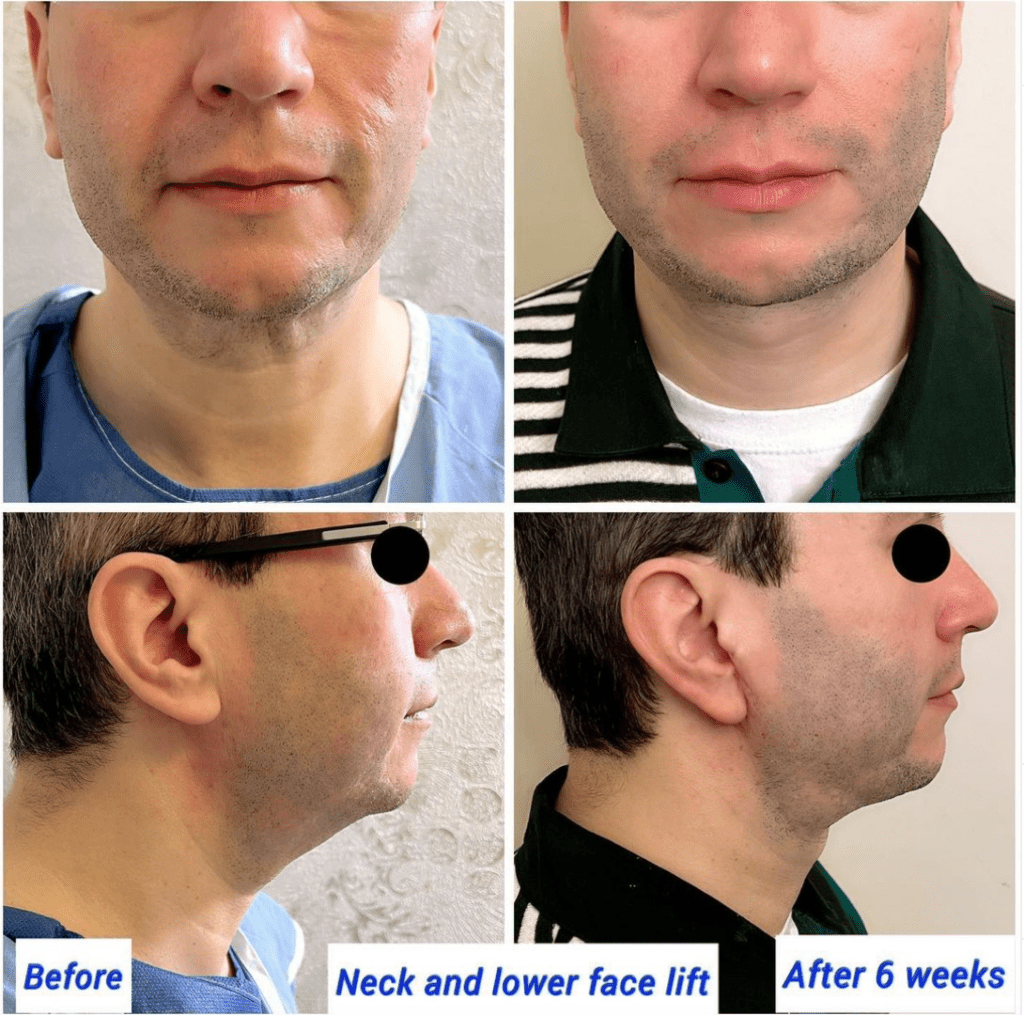
This technique can be more vulnerable to weight changes, as significant weight loss after the procedure may result in additional loose skin, whereas weight gain could diminish the definition achieved by the surgery.
Deep Plane Facelift
The deep plane facelift surgery goes deeper than the traditional method, repositioning not only the skin and soft tissues but also the deeper muscular layers.
This extensive alteration makes it highly susceptible to the effects of weight fluctuations, which can significantly alter the sculpted appearance intended by the plastic surgery procedure.
SMAS Facelift
The SMAS (Superficial Musculoaponeurotic System) facelift addresses the deeper layers of the face, specifically the structure that covers, connects, and controls the movement of facial muscles.
Adjustments in this layer can provide more durable and natural-looking results. Since the SMAS facelift impacts both the skin and muscle layers, however, significant weight changes can affect the longevity and appearance of the results, potentially requiring additional adjustments or revisions.
Planning for Long-Term Facelift Success
Lifestyle and Weight Management
To maintain the results of your facelift over the long term as you experience facial ageing, consider your lifestyle and any potential weight changes that could occur.
For instance, if you are actively trying to lose weight, it might be advisable to reach your target weight before undergoing facelift surgery.
This prudent approach ensures that the results of your facelift will complement your new, slimmer physique without the need for additional corrections.
Facelift Surgery Expectations and Recovery
Recovery and Weight Stability
Proper recovery from a facelift involves not just healing physically but also maintaining a stable weight. During the stages of facelift recovery, follow your surgeon’s advice closely regarding diet and exercise, and monitor your weight to ensure it remains consistent.
In fact, weight management during recovery is crucial, as significant fluctuations can extend the healing process and affect the quality of your facelift results. In rare cases, it can lead to risks and complications that are otherwise preventable.

In summary, choosing to undergo a facelift is a significant decision that requires careful consideration of many factors, including your weight. If you’re considering this transformative procedure, maintaining a stable weight before and after surgery is key to achieving and enjoying the full benefits of your rejuvenated appearance. Always discuss with your surgeon the best strategies for preparing for and recovering from facelift surgery to ensure that you achieve the most effective and satisfying results.
