












Breast reduction surgery is a significant medical event that requires a thorough understanding of what’s involved. While the prospect of breast reduction surgery scars can be daunting, they should not deter you from considering this life-changing procedure.
Below we will discuss various aspects of breast reduction surgery, focusing on scars, how to manage and minimise their appearance, and overall recovery.
Our goal is to provide a comprehensive overview to help you make an informed decision.
Understanding Breast Reduction Surgery
Breast reduction, also known as reduction mammoplasty, is a surgical procedure designed to reduce the size of large breasts. This surgery involves the removal of excess breast tissue, fat, and skin, resulting in a more proportional breast size and alleviating physical discomfort.
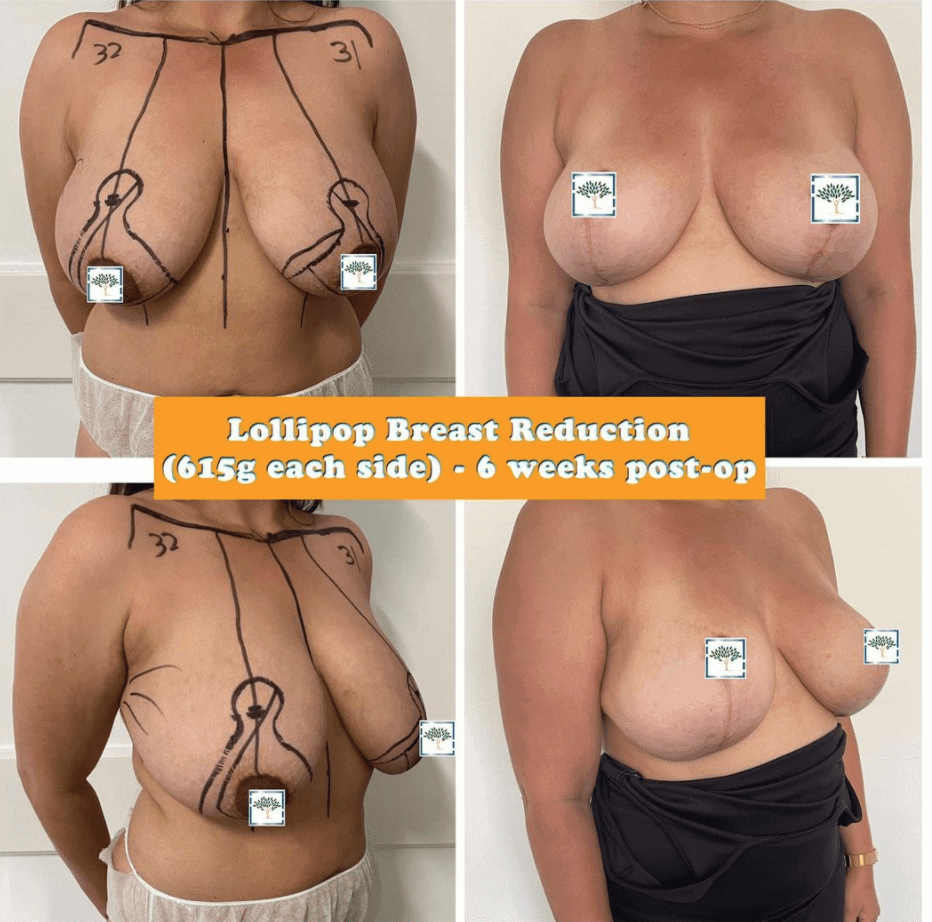
During the breast reduction procedure, a plastic surgeon makes incisions to remove the excess breast tissue. The type of incision used can vary depending on your breast size and desired outcomes. Common breast reduction techniques include the anchor, lollipop, and donut incisions.
Addressing Breast Surgery Scars Concerns
Types of Incisions and Scarring
Different types of incisions create varying scar patterns. The anchor incision involves a circular incision around the areola, a vertical line down to the breast crease, and a horizontal line along the crease. It’s most often used for larger reductions.

The lollipop (around the areola and vertical line down) and donut incisions (around the areola only) result in less scarring but may only be suitable for a moderate reduction.
Breast reduction surgeons always strive to give you the desired breast shape and size using an incision pattern with the least amount of scarring.
Managing Scars
To minimise scarring, it’s important to follow your surgeon’s post-operative care instructions meticulously. Techniques such as proper wound care, using silicone sheets, and applying scar-reducing creams can significantly improve the appearance of scars over time.
The first few weeks and months following surgery are crucial to managing your breast reduction scars and can make a significant difference in the long-term outcome.
Breast Reduction Recovery
Post-Operative Care
Recovery from breast reduction surgery involves several stages. Immediately after the procedure, you may experience swelling, bruising, and discomfort.
Your surgeon will provide you with pain management and detailed post-operative care instructions to ensure a smooth recovery process.
To prevent side effects, proper care and adhering to post-operative instructions is essential to minimise scarring and promote healing.
Scar Timeline
Scars from breast reduction surgery evolve over time. Initially, they may appear red and raised (known as hypertrophic scars), but with proper care, they typically fade and flatten within 12-18 months. Minimal scarring is best achieved with consistent and diligent care.
Long-Term Results
The long-term results of breast reduction surgery extend beyond the physical appearance. Many patients report significant improvements in physical comfort, posture, and self-esteem.
In fact, we hear patient stories frequently that the satisfaction derived from the reduction in breast size outweighs concerns about scars. Keep in mind that the treatment recovery is an essential aspect of the overall process.
Complementary or Alternative Treatments
Breast Uplift and Augmentation
In some cases, patients may opt for other types of cosmetic surgery, such as a breast uplift (mastopexy) or breast augmentation surgery, in conjunction with breast reduction.
These procedures can further enhance the shape and appearance of the breasts and nipples.
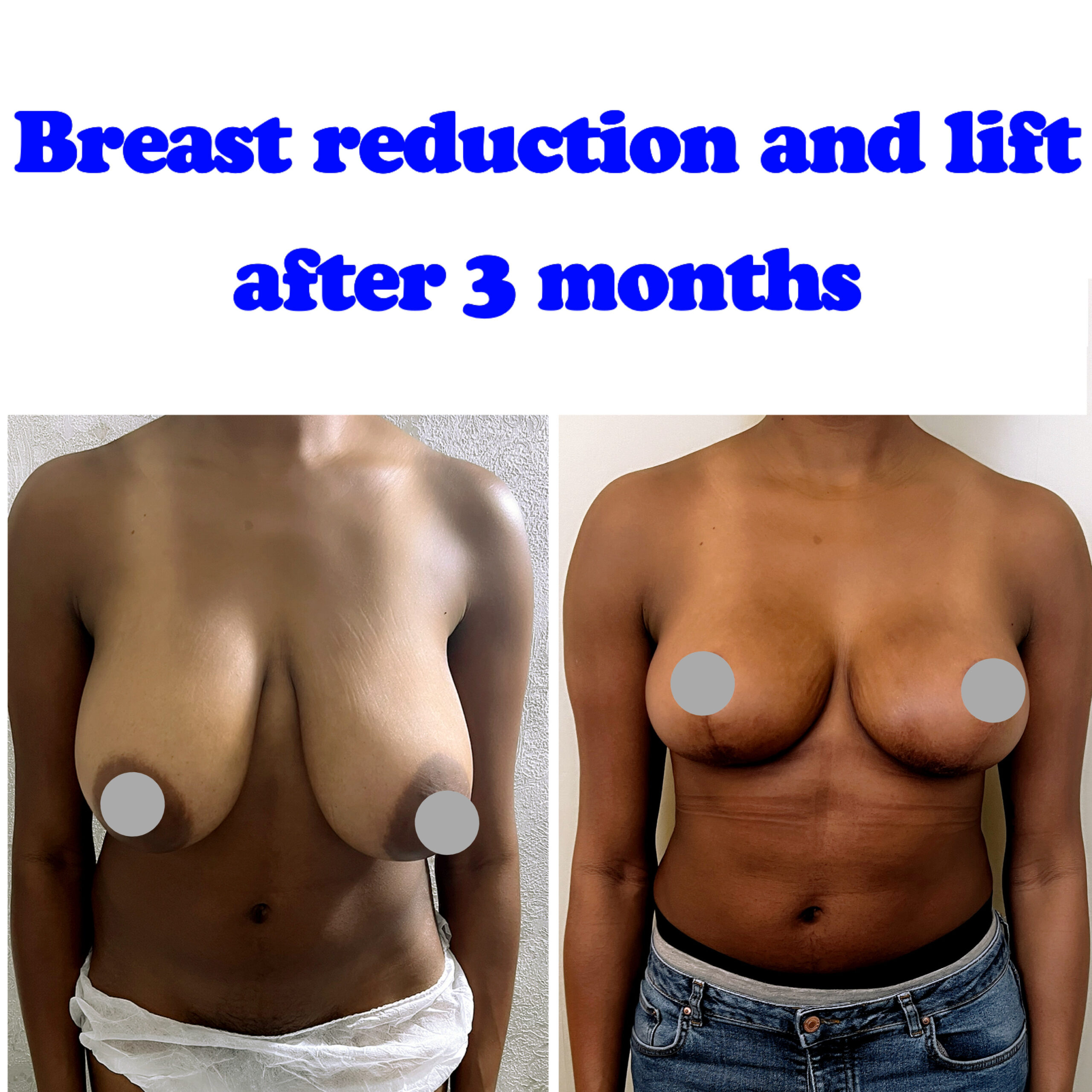
Consulting with your plastic surgeon about these options can shed more light on which option and surgical technique is best for you.
Liposuction and Breast Asymmetry Correction
For some individuals, liposuction may be an effective alternative to traditional breast reduction techniques. It can also be used in combination with reduction surgery for body contouring and to achieve the desired breast size and shape.
Furthermore, if one of your breasts is larger than the other, breast asymmetry correction can be addressed during the procedure to ensure balanced and even results.
In summary, breast reduction surgery is transformative procedure that can offer you numerous benefits, from physical comfort to enhanced self-confidence. While scars are a natural part of the healing process, they should not deter you from considering this procedure. By following proper post-operative care, you can achieve minimal scarring and enjoy the long-term benefits of breast reduction.
