












Losing weight can be a life-changing experience, not just for your health but also for your appearance. In some cases, however, it can leave behind loose breast tissue and breast sagging.
Therefore, if you’re considering a breast lift—also known as mastopexy surgery—it’s crucial to understand how changes in your body weight could affect both the surgical results and your recovery process.
The Ideal Time for Breast Lift Surgery
Why Breast Lift Surgery Result Hinge on Weight Stability
Understanding how your weight impacts the long-term results of a breast lift is essential for maintaining your new breast shape and satisfaction with the surgical outcome.
If you’re actively losing weight, it’s advisable to reach your target weight and maintain it for a period before undergoing any kind of plastic surgery.
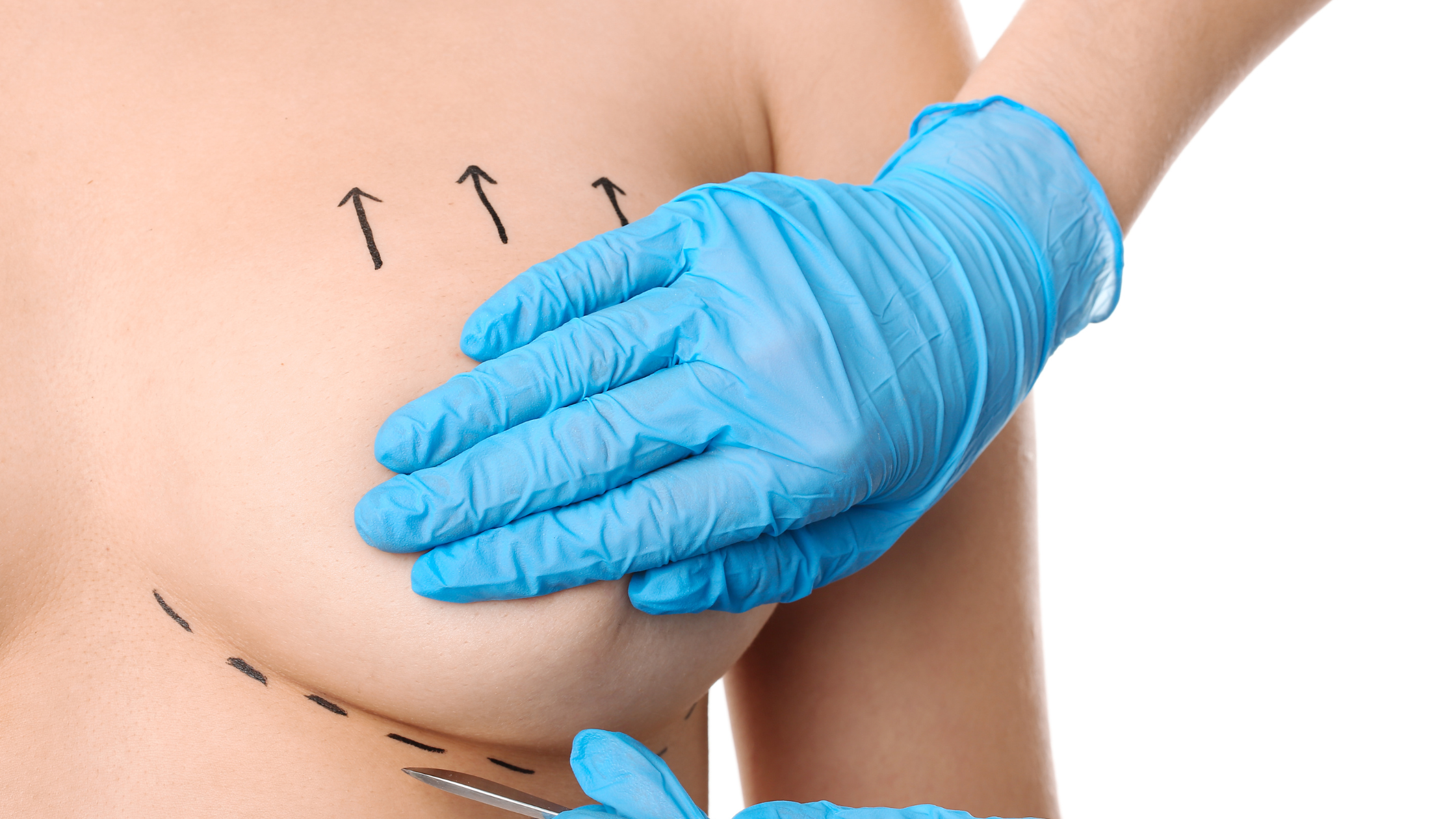
This stability helps ensure that the results of the uplift are not compromised by further weight or breast size fluctuations, which can stretch the skin and alter the contour of the breasts.
Choosing the Right Breast Uplift Procedure Post-Weight Loss
Several Breast Lift Techniques to Choose From
Since significant weight loss can leave you with less dense breast tissue, your plastic surgeon will need to tailor their surgical approach for optimum breast uplift outcomes.
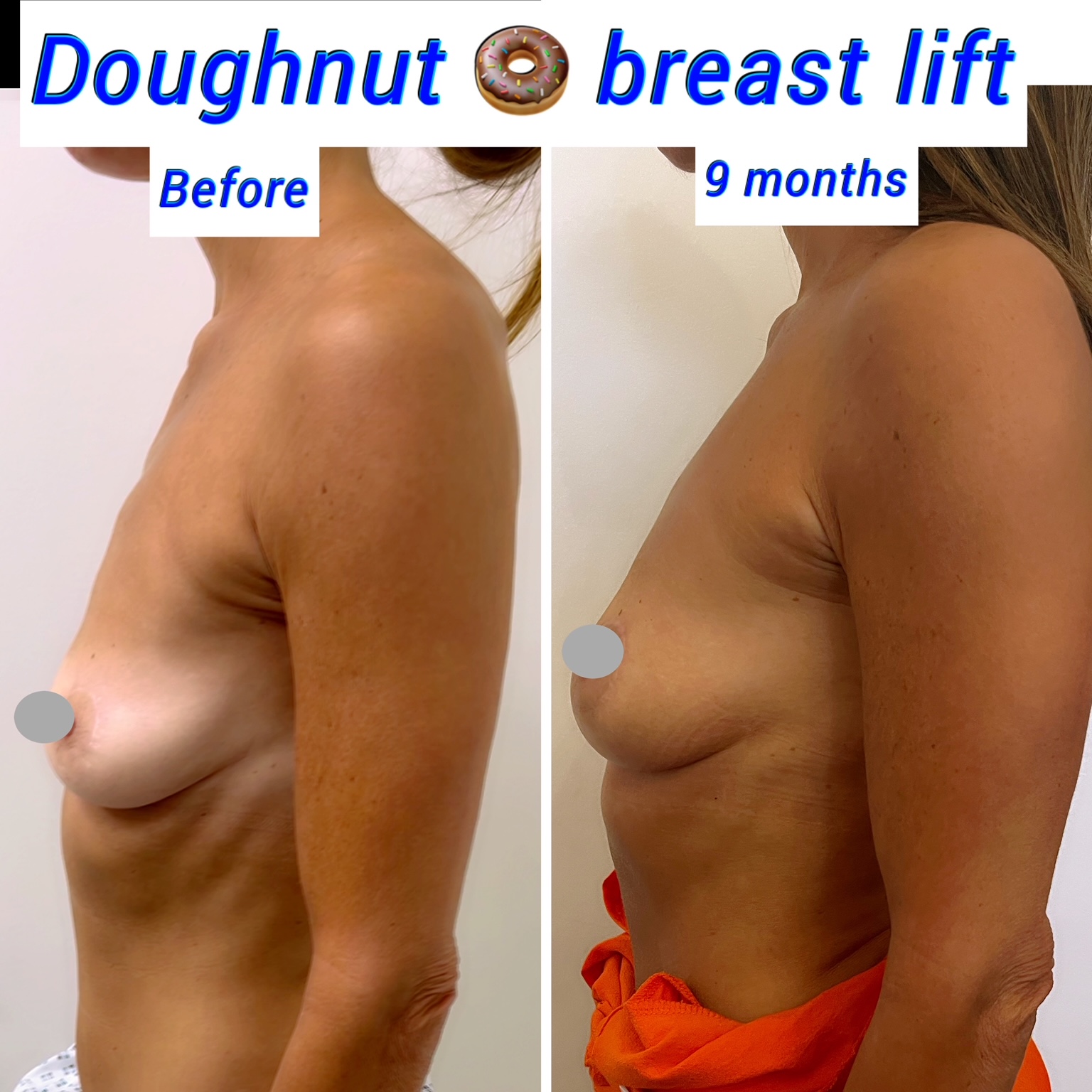
Mastopexy techniques that use the ‘lollipop lift’ or ‘doughnut lift’ method or incorporate implants (breast reduction surgery) might be necessary to achieve perky the desired breast volume and aesthetically pleasing results.
Breast Lift Recovery and Scarring: Managing Expectations
Don’t Undo Your Breast Lift Benefits
Weight fluctuations after your breast lift can impact more than just your breast shape. It can significantly influence how well your breast lift scars heal in the long-term.
After undergoing uplift surgery, maintaning a stable weight supports smoother healing and minimizes the appearance of scars.
Pre- Uplift Surgery Consultation: Why Discussing Your Weight History is Important
Establishing Your Breast Lift Eligibility
During your initial consultation at our London clinic, your doctor will discuss your weight loss journey and any future weight loss plans with you in order to tailor the surgery to your specific needs.
They will also go over difference between breast lift surgery and breast implants, as well as breast lift cost.
Surgical Care: Following the Right Procedures
How to Minimise Risks and Complications
Adhering to your surgeon’s guidelines for pre and post-operative care is vital for the success of your breast lift, especially in the context of your weight management.
Any cosmetic surgery carries risk such as infection at the incisions or breast asymmetry. That’s why keeping a stable weight is even more important for patients who have undergone significant weight loss.
You may also be advised by your surgeon to get plenty of rest and avoid heavy lifting for the first month following your surgical procedure.
Choosing the Right Supportive Undergarments
Importance of a Sports Bra to Shape and Lift
You’ll wake up from mastopexy surgery wearing a surgical bra. Wearing it during the first few weeks following surgery can significantly influence the shape and support of your breasts during the recovery phase.

Additionally, investing in a good sports bra can go a long way in helping to preserve perky breasts in the long-term.
Future Planning: Considering Further Weight Changes
Surgical Breast Lift Long-Term Results
Plan for any potential weight changes in the future and discuss these possibilities with your breast lift surgeons to ensure ongoing satisfaction with your breast lift results.
In summary, by aligning your surgical goals with your lifestyle and weight management plans, you can achieve lasting and satisfying results from your breast lift procedure. Understanding the relationship between weight loss and breast lift surgery is key to setting realistic expectations and achieving outcomes that enhance your overall body image.
