












Breast augmentation recovery can be a unique journey for women over 50. As we age, our bodies undergo various changes that can impact how we heal and respond to breast augmentation surgery.
This guide will delve into the specifics of breast augmentation recovery for women in this age group, providing helpful tips and insights for a smooth recovery.
Breast Augmentation Surgery
Breast augmentation, often referred to as a boob job, involves the placement of breast implants to enhance the size and shape of the breasts.
Whether you’re considering breast augmentation surgery for breast enlargement or breast reconstruction surgery after mastectomy, it’s important to understand the nuances of undergoing such a procedure at a later stage in life.
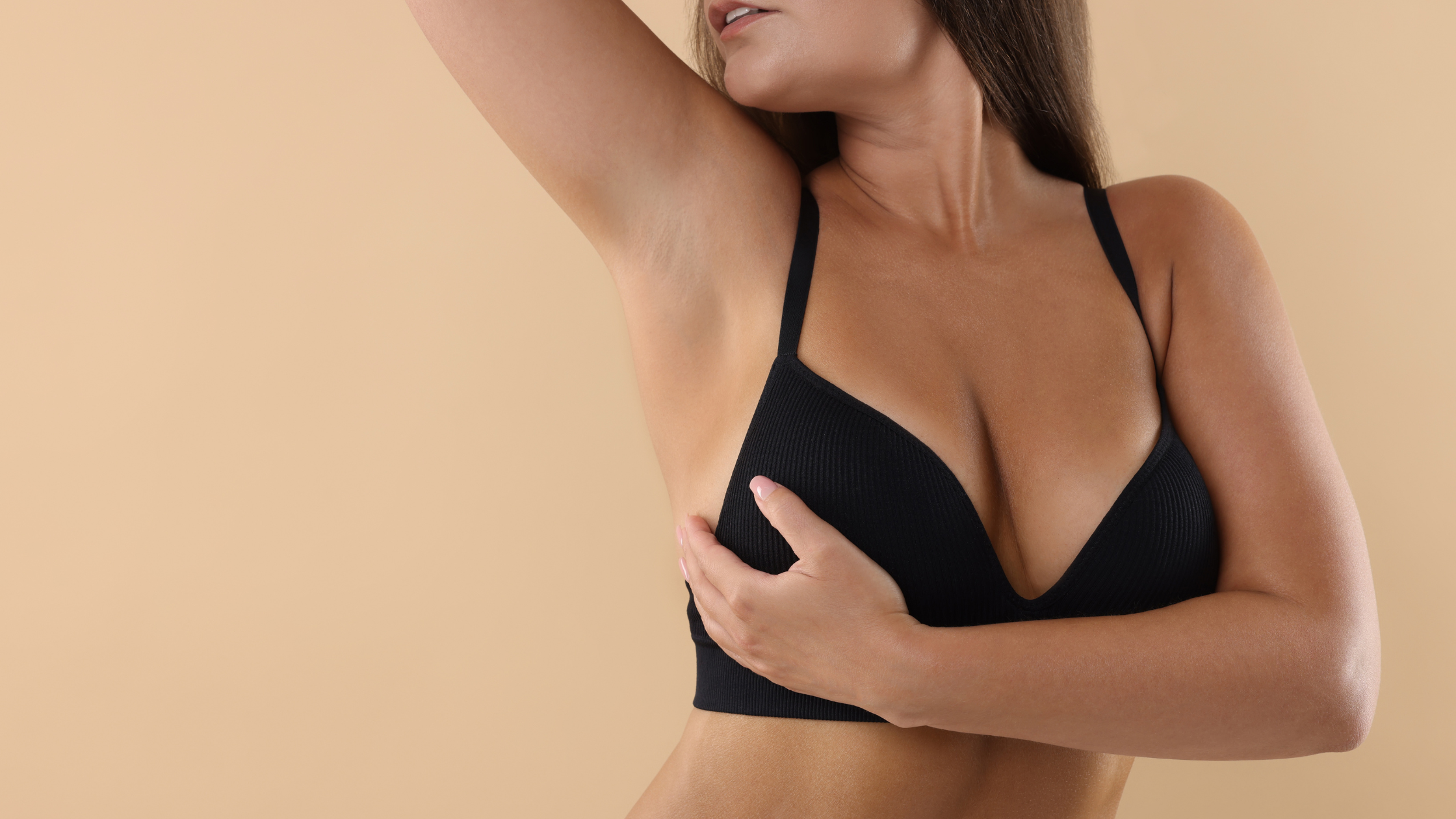
The Unique Challenges for Women 50+
Women over 50 may face unique challenges during their breast augmentation recovery. The healing process can be slower due to factors such as decreased skin elasticity, hormonal changes, and a generally slower metabolism.
Understanding these challenges can help you prepare for what lies ahead and set realistic breast augmentation recovery expectations.
Recovery After Breast Augmentation: What to Expect
The First Week Following Breast Implants
The first week after breast surgery is crucial for setting the tone for your recovery. You might experience swelling, bruising, and discomfort, which are normal parts of the augmentation recovery process.
Your plastic surgeon will provide pain relief medication and specific aftercare instructions to help you manage these symptoms.
Tips for the First Week After Surgery
- Rest: As part of your boob job recovery, ensure you get plenty of rest to aid the healing process.
- Hydrate: Cosmetic surgery in general required that you drink plenty of water to help your body flush out toxins and reduce swelling.
- Follow Instructions: Adhere strictly to your surgeon’s aftercare guidelines to avoid complications.
Breast Enlargement Recovery Stages and Timeline
Breast augmentation recovery stages can vary, but generally, the process is divided into several phases:
Immediate Post-Operative Period (First Week): Focus on rest and managing swelling.
Early Recovery (Weeks 2-4): Begin gentle movements and light activities.
Mid-Recovery (Weeks 4-8): Gradually increase activity levels, but avoid strenuous exercise.
Late Recovery (Months 2-6): Most patients can resume normal activities, and swelling continues to subside.
Long-Term Healing
Every patient’s breast augmentation recovery time line is different; however, it can be longer for women over 50. It’s important to be patient and allow your body the necessary time to heal for a full recovery.
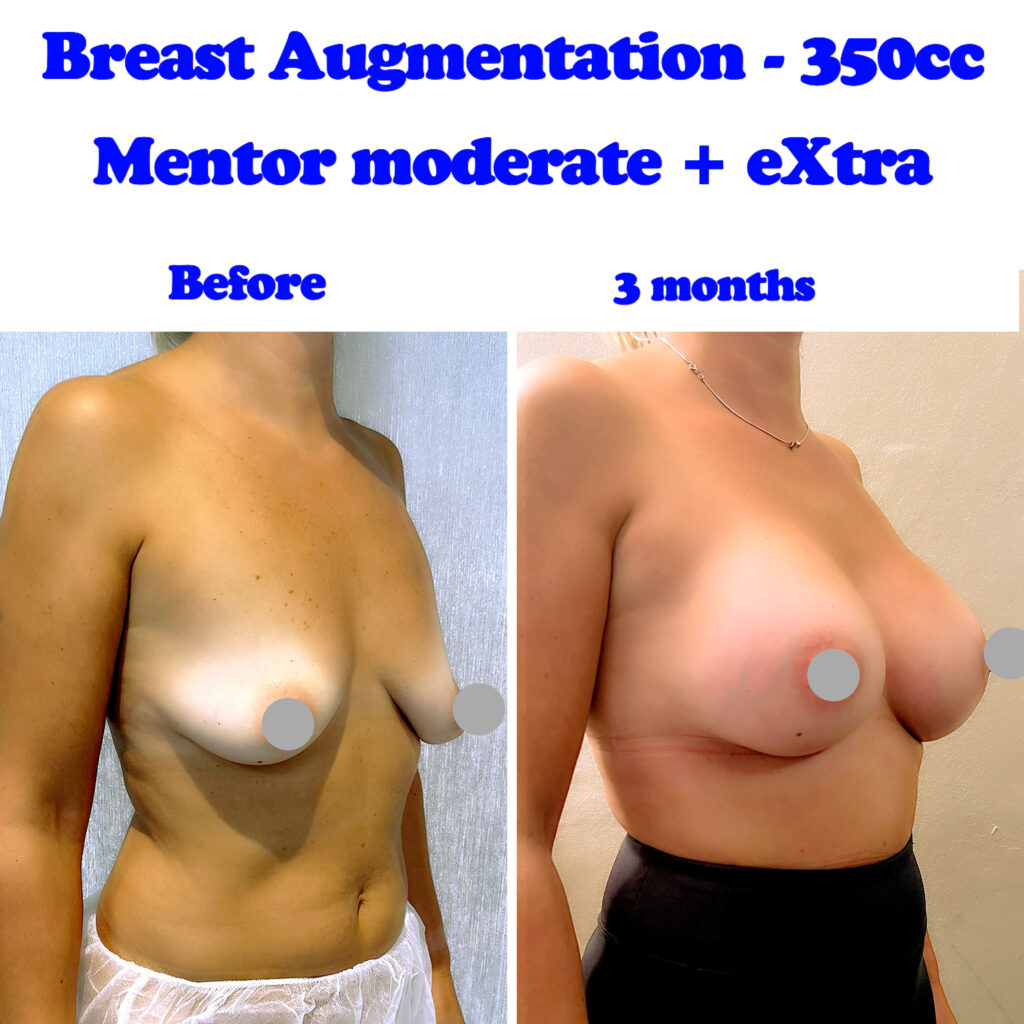
Regular follow-ups with your plastic surgeon are crucial to monitor your progress and address any concerns that may arise during the recovery period.
Breast Augmentation Recovery Tips
Smooth Recovery
For a smooth recovery after breast augmentation:
- Wear a Supportive Surgical Bra: Recovery bras help reduce swelling and supports the breasts as they heal.
- Avoid Smoking and Alcohol: These can impede the healing process and increase the risk of complications.
- Healthy Diet: Eating a balanced diet rich in vitamins and minerals supports your body’s healing process.
Recovery and Aftercare
Effective recovery and aftercare are essential for a successful breast augmentation recovery process. This includes following all prescribed medication routines, attending all post-operative appointments, and avoiding activities that could strain your chest muscles.
Dealing with Swelling
Swelling is a common part of the healing process. To manage it:
- Cold Compresses: Apply as advised by your surgeon a few days after your implant surgery.
- Elevation: Keep your upper body elevated while resting.
- Gentle Massage: Once approved by your surgeon, gentle breast massages can help reduce breast tissue swelling and minimise surgical scars.
Consulting with Your Plastic Surgeon
Before undergoing breast enlargement surgery, a thorough consultation with your plastic surgeon in London is essential. Discuss any medical conditions, medications you are taking, and your overall health to ensure the surgery is safe for you.
Additionally, during your meeting your surgeon will explain the procedure in detail, including the recommended implant size and placement of incisions.
In summary, breast augmentation recovery for women over 50 can be a rewarding journey with the right preparation and care. By understanding the unique challenges and following the appropriate aftercare measures, you can achieve a successful and smooth recovery. Always consult with your plastic surgeon for personalised advice and support throughout your breast augmentation recovery stages.
