












Areola reduction is a cosmetic procedure designed to reshape and resize the areolas, the pigmented skin surrounding the nipples.
A woman may opt for areola reduction surgery to achieve a more proportionate appearance as a standalone treatment or in conjunction with other breast surgeries. These include breast augmentation, breast lift, or breast reduction.
If you have large areolas that you feel are out of balance with your breast size and shape, this procedure can provide a more symmetrical and aesthetically pleasing result. Below is all the information you need to help you decide if this procedure is right for you.
Why Women Choose Areola Reduction Surgery

The decision to undergo areola reduction surgery is deeply personal. You may feel self-conscious about the size of your areolas, especially if they are disproportionately large compared to the rest of their breast.
This can be due to genetics, pregnancy, breastfeeding, or weight fluctuations. A consultation with our plastic surgeon in London can help determine whether this procedure is right for you.
Beyond cosmetic concerns, areola reduction can be part of reconstructive treatments, such as breast augmentation or breast uplift, helping your achieve their desired results.
Emotional and Psychological Benefits
A significant motivation for many women undergoing areola reduction surgery is the boost in self-confidence it provides. Feeling dissatisfied with one’s breast appearance can affect self-esteem, body image, and even intimate relationships.
By addressing concerns about areola size and shape, this procedure allows women to feel more comfortable in their bodies, whether in daily life or when wearing swimsuits and lingerie. Restoring areola skin proportion can lead to an improved sense of well-being and overall happiness.
How Areola Reduction Fits Into Other Breast Procedures

Areola reduction surgery can be performed on its own or combined with other breast surgeries. Many women choose to have it done alongside breast augmentation, breast lift, breast reduction or nipple surgery to achieve their ideal breast size and shape.
This ensures that the areolas remain proportional to the newly contoured breast. Additionally, for those undergoing implant removal or other procedures, areola reduction can help maintain a balanced and natural look.
Combining Areola Reduction with Breast Surgery
- Breast Augmentation: If you’re getting breast implants, resizing the areolas ensures a more harmonious appearance post-surgery.
- Breast Reduction: Women opting for a breast reduction surgery often include areola resizing as part of their overall treatment plan.
- Breast Lift: A breast uplift procedure corrects sagging breasts, and areola reduction ensures that the newly shaped breasts look symmetrical and balanced.
- Implant Removal: Women who decide to remove their breast implants may find that their areolas appear stretched. This procedure helps restore their original size.
The Areola Reduction Procedure: What to Expect

Consultation and Preparing for Surgery
Before undergoing areola reduction surgery, you will have a consultation with an expert plastic surgeon. During this appointment, your surgeon will assess your areola size, breast shape, and skin elasticity while discussing your aesthetic goals.
The surgeon will also explain the areola reduction cost, potential risks, and expected results. The surgical procedure itself is relatively simple, typically performed under general anaesthesia.
The Surgical Procedure
The areola reduction procedure involves making small incisions around the areola to remove excess skin, followed by precise suturing to create a smaller, more symmetrical appearance.
The other breast may also be adjusted if needed to ensure balance. The incisions are carefully placed to minimise visible scarring, and the entire procedure generally takes about one to two hours.
Recovery and Healing Process
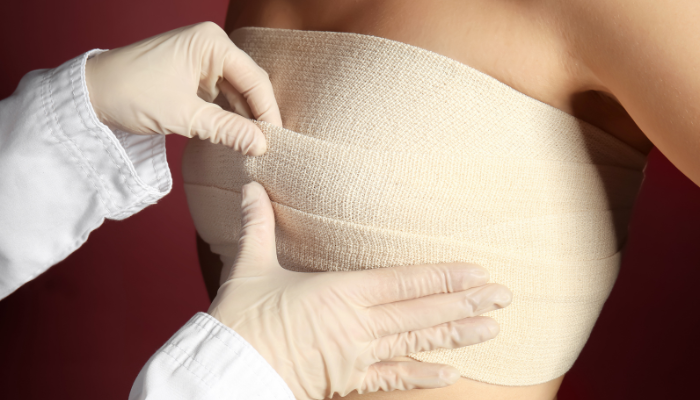
Recovery Period: What to Expect in the Weeks After Surgery
The recovery period following areola reduction surgery is usually straightforward. Most patients experience mild swelling, bruising, and discomfort for the first few weeks after surgery. You may need to wear a supportive bra and avoid strenuous activities during the initial healing process.
Healing and Final Results
Over time, the incisions will heal, and the areolas will settle into their final size and shape. While some scarring is inevitable, it typically fades significantly over the months following surgery. Many women report improved confidence and satisfaction with their breast appearance after undergoing this simple procedure.
Managing Pain and Aftercare
To ensure a smooth recovery, follow your surgeon’s guidelines. You may be prescribed pain relief medication, and it is advised to avoid strenuous activity and heavy lifting. Keeping the area clean and avoiding direct pressure on the breasts can aid in the healing process.
Potential Risks and Complications
Like any surgical procedure, areola reduction surgery comes with some potential risks. While rare, complications may include infection, changes in nipple sensitivity, or minor asymmetry. When performed by expert surgeons, however, the procedure is generally safe and provides excellent results.
Your surgeon will discuss any potential risks during your consultation and provide guidelines to ensure optimal healing.
How to Minimise Risks During the Recovery Process

Following the correct aftercare routine is crucial to reducing risks and ensuring the best results. Here’s what you can do to aid the healing process and avoid complications:
- Follow post-operative care instructions carefully. Your surgeon will provide detailed guidelines on wound care, medication, and activity restrictions. Adhering strictly to these instructions can help prevent infections and ensure a smoother healing process.
- Avoid smoking and alcohol consumption during recovery. Smoking can significantly slow down healing by restricting blood flow, increasing the risk of complications such as delayed wound closure. Alcohol can also thin the blood, increasing the chances of excessive bleeding and swelling. It’s best to avoid these substances for at least a few weeks post-surgery.
- Stay hydrated and eat a nutritious diet. Proper nutrition supports the body’s healing mechanisms. Foods rich in protein, vitamins, and antioxidants can speed up recovery and reduce inflammation.
- Wear a supportive bra to aid healing. A well-fitted, non-wired surgical bra provides the necessary support to your breasts while reducing swelling and discomfort. Compression garments can also help keep the surgical site secure and prevent unnecessary movement that may put stress on the incisions.
- Attend follow-up consultations to monitor progress. Regular check-ups with your plastic surgeon are essential to assess your recovery. Your surgeon will check for signs of infection, proper wound healing, and any potential complications. If any issues arise, early detection can lead to quicker interventions and better outcomes.
- Keep the incision area clean and dry. Proper hygiene is key to preventing infections. Your surgeon will guide you on how to clean the area properly, what products to use, and when it is safe to shower after surgery.
- Sleep in an elevated position. Keeping your upper body slightly elevated while resting can help reduce swelling and improve circulation. This position also prevents unnecessary pressure on the surgical site, promoting faster healing.
- Avoid heavy lifting and strenuous activities. Engaging in activities that strain the chest muscles can lead to complications such as wound reopening or excessive swelling. Most surgeons recommend avoiding vigorous exercise and lifting anything heavy for at least four to six weeks.
- Monitor your body for unusual symptoms. While some swelling, bruising, and discomfort are normal, excessive pain, persistent redness, pus, or fever could indicate an infection. Contact your surgeon immediately if you notice any worrying signs.
The Confidence-Boosting Benefits of Areola Reduction Surgery

In summary, undergoing areola reduction can be life-changing for many women. By enhancing the size and shape of the areolas, this cosmetic procedure can help restore confidence and improve overall body image. Whether as a standalone treatment or as part of a more extensive breast surgery, areola reduction offers long-lasting, natural-looking results.
