












A facelift is a powerful cosmetic procedure designed to reverse the signs of ageing by tightening sagging skin, lifting the jowls, and restoring a youthful contour to the face.
Many people may not realise that while facelift surgery can provide remarkable results, it doesn’t eliminate the need for anti-wrinkle injections.
Here’s an in-depth look at what a facelift can and cannot achieve, and why many patients still benefit from anti-wrinkle treatments like Botox after their cosmetic surgery.
What a Facelift (Rhytidectomy) Can and Cannot Achieve
How Full or Mini Facelift Surgery Enhances Facial Contours
A facelift, or rhytidectomy, targets loose skin and deep tissues in the face. During the procedure, your plastic surgeon makes incisions along the hairline and around the ears, lifting and tightening the skin to smooth out jowls, address nasolabial folds, and redefine the jawline.
There are different types of facelift procedures, including the deep plane facelift and the SMAS facelift, each addressing various facial layers to achieve the best results.

The operation is typically performed under general anesthesia, and each technique varies in recovery time, risks and complications, and overall healing process.
Although a facelift can significantly eliminate excess skin and enhance facial contours, the surgical procedure focuses primarily on the mid and lower face, and doesn’t address every aspect of ageing. Other procedures, such as a brow lift, eyelid surgery or neck lift may be necessary.
Surgeon Explains the Limits of a Face Lift
Non-Surgical Cosmetic Procedures After a Deep Plane Facelift
Whether you’re getting deep plane facelift surgery or something less invasive, results can be transformative for facial skin and your overall appearance. Keep in mind, however, that a traditional facelift cannot correct all signs of ageing.
The surgery does not target fine lines, fine lines and wrinkles, especially around the eyes and forehead. For these areas, cosmetic procedures like anti-wrinkle injections and neuromodulators, commonly known as wrinkle relaxers, are still necessary.
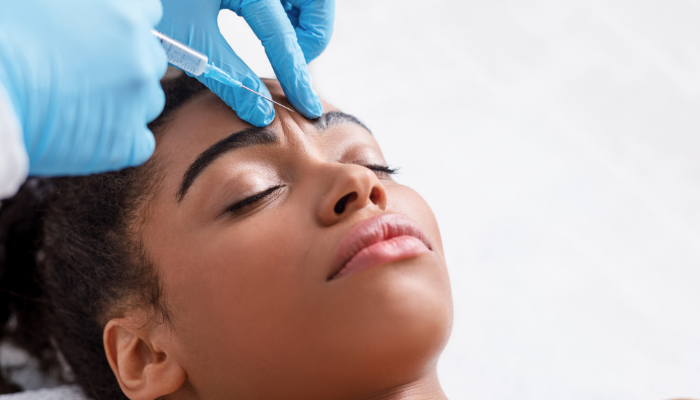
Anti-wrinkle injections address dynamic wrinkles—those caused by muscle movement—whereas a surgery primarily treats sagging skin and drooping tissue.
This means that patients who desire a smoother forehead, reduced crow’s feet, or softened frown lines may still benefit from treatments such as Botox or other anti-wrinkle injections post-surgery.
Facelift Consultation: Why Anti-Wrinkle Injections Are Still Needed
Maintaining a Youthful Appearance with Wrinkle Relaxers
During your initial appointment, your doctor will outline the benefits of continuing with anti-wrinkle injections to enhance your facial appearance.
They will explain that Botox works by relaxing specific facial muscles, preventing them from contracting and forming wrinkles.
After a facelift, these injections play a valuable role by smoothing out fine lines in areas that weren’t treated during surgery.

For instance, many patients continue using anti-wrinkle injections to maintain a youthful appearance in areas of the face and neck, such as brows, eyelids, forehead and platysma muscles.
In fact, Botox and similar treatments are often recommended as complementary options after a surgery. These injections can refine the facelift results by ensuring that all facial areas, including those untouched by the lift, appear rejuvenated.
Long-Term Benefits and Maintenance at Harley Clinic
Prolonging Facelift Recovery and Results with Aftercare and Non-Surgical Treatments
Although surgery provides long-lasting improvement, anti-wrinkle treatments can help prolong the results. By keeping the facial muscles relaxed, neuromodulators enhance a facelift’s effects and maintain a youthful appearance.
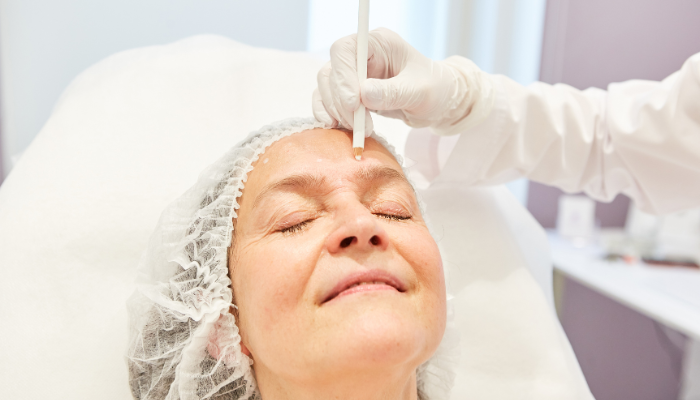
Since wrinkles and fine lines naturally reappear over time, patients we recommend getting regular anti-wrinkle injections 4-6 weeks after surgery to keep the facial areas smooth.
Many of our patients find that not only do anti-wrinkle injections are beneficial during their recovery, they also have few side effects and possible complications.
Balancing Surgical and Non-Surgical Solutions
In summary, while a facelift can significantly rejuvenate the face by addressing sagging skin, it doesn’t eliminate the need for anti-wrinkle treatments.
These injections can continue to provide your with additional control over facial ageing, allowing you to refine and maintain your full or mini facelift long after surgery.
